
Home › Journal
FAQs Frequently Asked Questions

Can Stress Cause an Itchy Scalp?
Can stress make your scalp itch? Learn why tension may intensify scalp discomfort, how to break the itch–scratch cycle and when to seek professional advice.
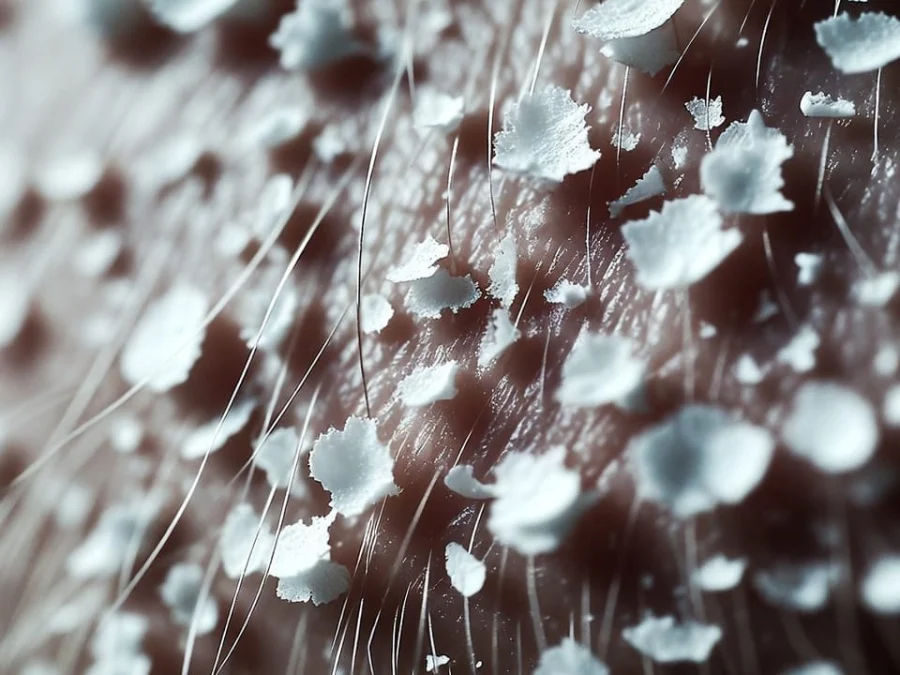
What is dandruff and why does it occur?
What is Dandruff?. Dandruff is the massive shedding of cells from the corneal layer in the scalp. Although it is normal for skin cells to die and…
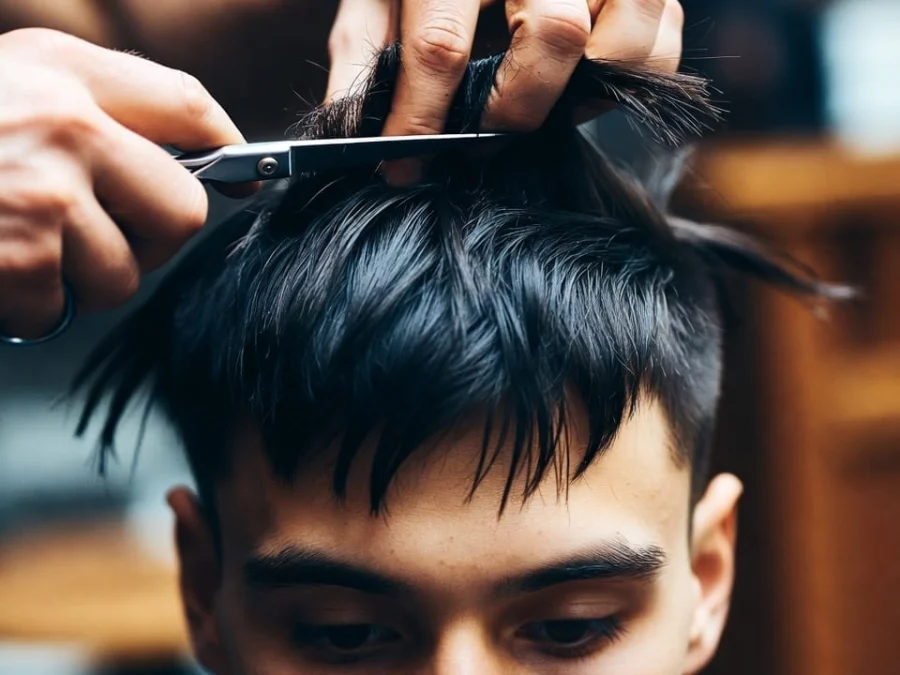
Does Cutting Your Hair Make It Grow Faster or Thicker?
Cutting hair does not make it grow faster or thicker. Discover what trims really change, how they reduce breakage and what supports healthy hair growth.

To what extent can food affect or benefit the hair?
A lot. The hair is a extraordinary marker of health, it is the first that reflects some anomaly, some lack or excess of nutrients.
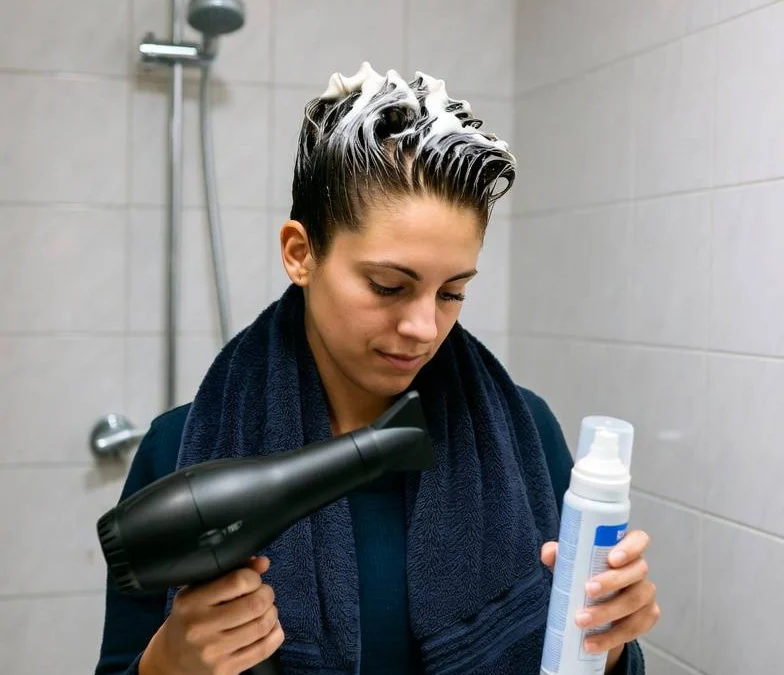
Is the use of the dryer, foam and gel harmful?
Is the use of the dryer, foam and gel harmful?. The use of the dryer, foam and gel is not harmful, the abuse yes it is.
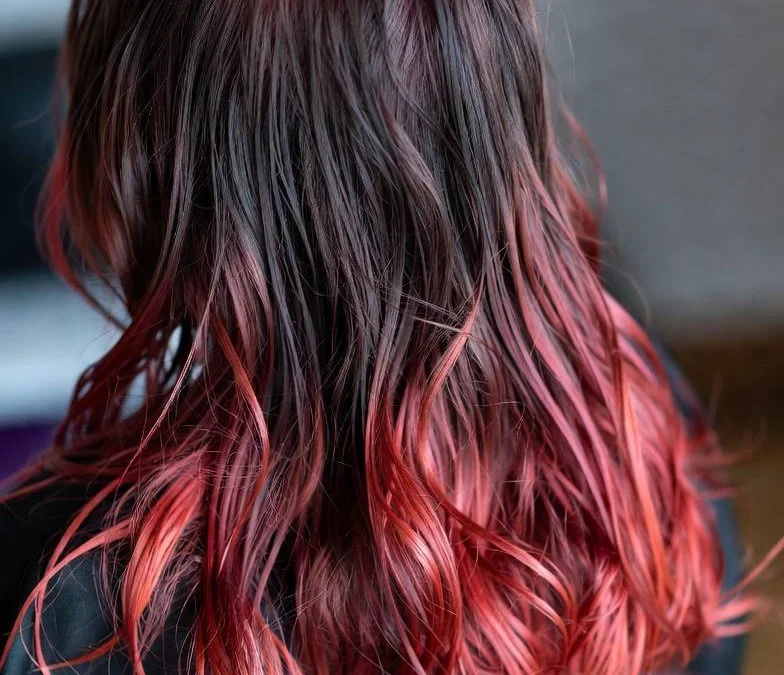
Do dyes change the nature of hair?
Undoubtedly the use of dyes is not good for the hair, since they have components such as ammonia that damage it in its structure.

Is it advisable to wash your hair every day?
Is it advisable to wash your hair every day?. Especially in greasy hair it is good as long as proper shampoos are used, such as our specific shampoos.

Hair Loss Treatment: Which Option Is Right for You?
Hair loss treatment depends on the cause. Learn how pattern thinning, sudden shedding, alopecia areata and scalp symptoms should be assessed.
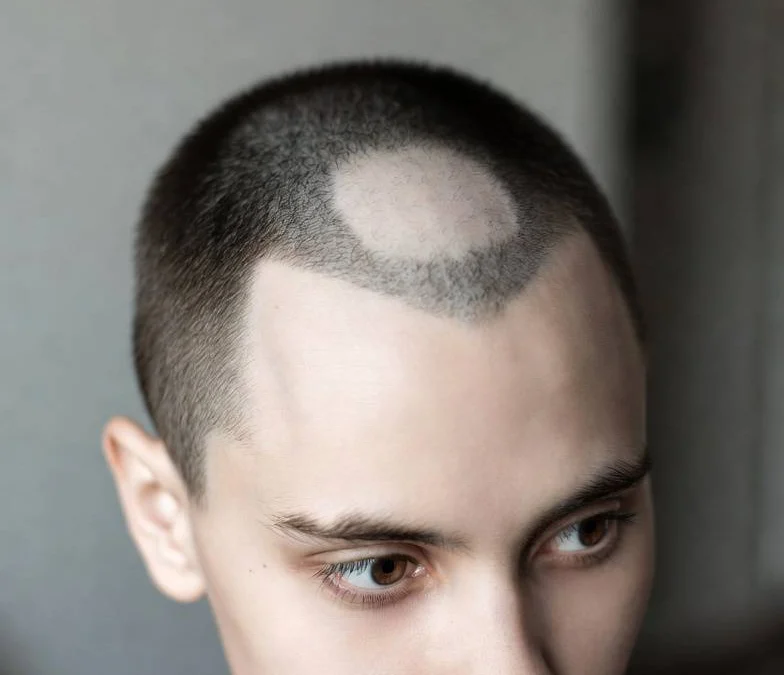
What kind of technique or treatment is there for alopecia areata?
The causes of the appearance of alopecia areata are several, in some cases it is associated with situations of stress, depression or mild infections.
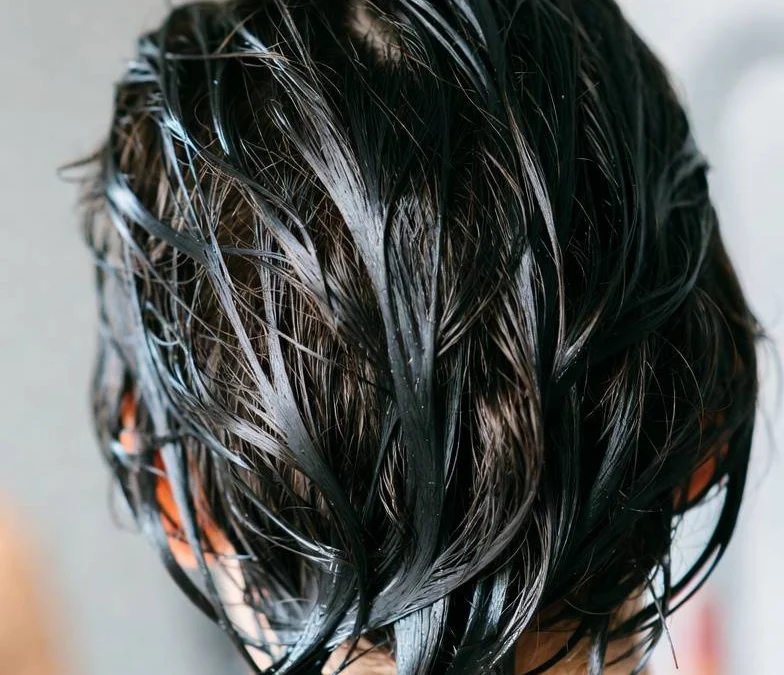
Is the use of specific shampoos recommended for greasy hair?
Yes, they are recommended and especially the combination of several. Always alternated with specific shampoos…
Your next step
Reading is the first step. A real assessment is the second.
Three photographs, four minutes. A trichologist reads your case and recommends the routine — complimentary, no obligation.