
The quick answer: a scalp serum is a leave-in product you apply directly to the scalp and do not rinse off, so its ingredients stay in contact with the skin for hours rather than a minute or two. Choose it by what your scalp is doing: a density-focused serum for hair that looks thinner, a calming concentrate for stress-related shedding, a balancing serum for an oily scalp and a flake-control concentrate for dandruff. Use it on a clean scalp, in sections, following a programme – typically an intensive phase of 6–12 weeks, then maintenance – and remember that a serum supports how your scalp feels and how your hair looks; it is not a medicine.
Scalp serums have become one of the fastest-growing categories in hair care, and the choice can be overwhelming. In clinic I spend a lot of time matching the right leave-in to the right scalp. This guide explains what a scalp serum is, how it differs from a shampoo, which type suits thinning, oily or flaky scalps, and how to use one properly.
What is a scalp serum?
A scalp serum – sometimes called a scalp concentrate, tonic or lotion – is a lightweight, usually water- or alcohol-based liquid designed to be massaged into the scalp and left on. It often comes in a dropper bottle or in single-dose vials.
Serum vs shampoo: why both have a role
A shampoo cleans the scalp and leaves a little of its formula behind, but it is rinsed away within minutes. A leave-in serum stays put, which is why it is the step where scalp-focused ingredients have the most time to work. In our own range the two are deliberately different: our shampoos, conditioners and masks use the biomimetic exosomes in the TFD System to carry their actives, while our leave-in serums use their own formulas without exosomes. The two steps are designed to work side by side.
If you are still choosing a shampoo, start with our guide to the best shampoo for hair loss.
Which scalp serum for which scalp?
This table follows the SIMONE TRICHOLOGY usage protocols that we use in clinic. “Intensive” is the first phase of a programme; “maintenance” is how often to continue afterwards.
| Your scalp or hair | Leave-in serum | Intensive phase | Maintenance |
|---|---|---|---|
| Diffuse thinning, or thinning linked to tight hairstyles or friction | DNA Hairmax Pro Plus | Daily or 5 times a week for 8–12 weeks | 3 times a week |
| Thinning after having a baby or around the menopause | Royal Jelly Hair Activator Plus | Daily or 5 times a week for 8–12 weeks | 3 times a week |
| Sudden shedding after a fever or illness | Dixidox Forte Advance Plus | Morning and evening for 10 days | Once a day or 3–5 times a week for 6–8 weeks |
| Patchy hair loss (bald patches), alongside medical advice | Science Antigen Therapy Plus | 3–5 times a week for 8–12 weeks, on the patches and their perimeter | PROSCIENCE+ 1–2 times a week |
| Very heavy or reactive shedding (“shock” option) | PROSCIENCE+ | Morning and evening for 10 days | Once a day or 3–5 times a week for 6–8 weeks |
| Pattern thinning at the crown, parting or hairline – long-term base | PROALOPEX+ | Daily or 5 times a week for 12 weeks | 3 times a week |
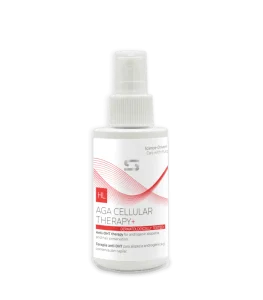
| Early to moderate pattern thinning, often with an oily scalp | AGA Cellular Therapy Plus | Daily or 5 times a week for 8–12 weeks | 3 times a week |
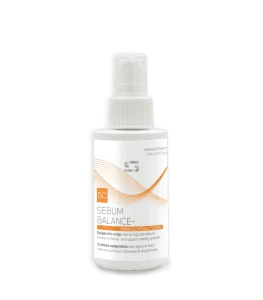
| Oily scalp (surface and roots) | Sebum Balance Plus | Daily or 5 times a week for 6–8 weeks | 2–3 times a week |
| Shiny, greasy-looking surface with weak-looking roots | Science Antigen Therapy Plus | 3 times a week for 90 days | – |
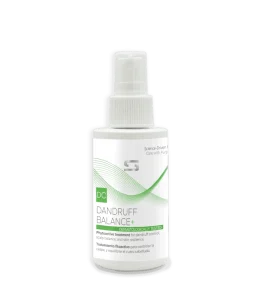
| Dry dandruff | Dandruff Balance Plus | Daily | 3–4 times a week |
| Oily dandruff | Sebum Balance Plus alternated with Dandruff Balance Plus | Twice a week (one of each) for 90 days | As needed |
Every programme sits within the same three-step routine – prepare, wash, leave-in – described below. Our serums do not contain exosomes; the biomimetic exosomes in the TFD System are in the shampoos and the mask that go with them.
Scalp serums for thinning hair
When hair looks finer or sparser, the leave-in step is where most of the scalp-focused work happens. The aim is a comfortable, balanced scalp and hair that looks fuller and denser over time.
First, know what you are dealing with
Sudden, all-over shedding after illness, fever or stress is usually telogen effluvium, which settles on its own; gradual thinning at the crown, parting or temples is more likely to be pattern hair loss, which is best assessed by a GP or dermatologist. Our guide to hair shedding vs hair loss explains how to tell them apart, and for women there is our guide to hair loss shampoo for women.
Diffuse thinning and thinning from tight styles
For gradual, all-over thinning, our protocol uses DNA Hairmax Pro Plus. Where thinning comes from tight buns, ponytails, braids, hats or helmets, focus the serum on the front and sides of the scalp and around the affected area – and, crucially, loosen or remove the source of pulling or friction, or the scalp keeps receiving the same stress.
After having a baby, around the menopause, or after a fever
- After a baby or around the menopause: Royal Jelly Hair Activator Plus gives gentle, all-round support. Its formula is described as well tolerated, including in pregnancy, but if you have a medical condition or are on treatment, ask a professional first.
- After a fever or illness: shedding tends to start about two months later. Dixidox Forte Advance Plus is used as a short, intensive 10-day programme morning and evening, followed by 6–8 weeks of maintenance.
- Very heavy or reactive shedding: PROSCIENCE+ is the “shock” option, on the same 10-day-then-maintenance pattern.
Patchy hair loss
Round or oval bald patches – often caused by alopecia areata, a condition in which the immune system targets the hair follicles – need a diagnosis first: see your GP, who can refer you to a dermatologist, as patches of hair loss can have several causes and some need medical care. Alongside that advice, our protocol offers a leave-in scalp-care routine for areas with patchy hair loss, to keep the scalp in good condition and help hair look fuller:
- Prepare 1–2 times a week before washing with Dermo Capillary Mask Activated Plus in Micro-Peel mode.
- Wash 3–4 times a week, alternating Hair Loss Prevention Shampoo Plus and Hair Nutrient Royal Jelly Shampoo Plus.
- Leave-in: apply our best-seller, Science Antigen Therapy Plus, to the patches and the area around them, 3–5 times a week for an intensive phase of 8–12 weeks, massaging for 1–2 minutes until absorbed. Do not rinse.
- Maintain with PROSCIENCE+ 1–2 times a week.
This is dermocosmetic scalp care and works alongside, never instead of, the plan agreed with your doctor. Read more in our guide to alopecia areata: diagnosis and treatment options in the UK.
Pattern thinning
Pattern hair loss is long-term, and the options with the strongest evidence for it are medicines, so get a medical assessment. As dermocosmetic scalp care, our protocol builds a longer programme – around 11 months in total – with PROALOPEX+ as the base (it contains saw palmetto, Serenoa serrulata, although good-quality clinical evidence for saw palmetto is limited). AGA Cellular Therapy Plus is a complementary option for early to moderate thinning, especially with an oily scalp; Dixidox Forte Advance Plus can be added for a 10-day burst when active shedding overlaps; and DNA Hairmax Pro Plus can be alternated in the routine. A serum does not reverse pattern hair loss, and many people use one alongside medical advice rather than instead of it.
Read more in our guides to Dixidox Forte Advance+, PROSCIENCE+ and PROALOPEX+.
Scalp serums for an oily scalp
Not every oily scalp is the same, and the protocol distinguishes several patterns:
- Oily on the surface and at the roots – shine, heaviness, hair that looks dirty quickly: Sebum Balance Plus, daily or 5 times a week for 6–8 weeks, then 2–3 times a week. Pair it with Sebum Control Shampoo Plus alternated with Hair Nutrient Royal Jelly Shampoo Plus.
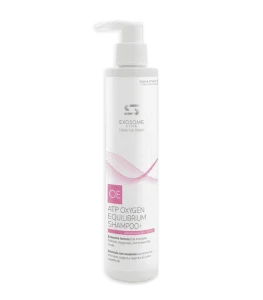
- Dry, tight surface but oily roots: the same Sebum Balance Plus programme, with ATP Oxygen Equilibrium Shampoo Plus alternated with Nutri Fiber Moisturizing Shampoo Plus. If shedding comes with it, DNA Hairmax Pro Plus takes the leave-in step instead, on the same schedule.
- Greasy-looking surface with weak-looking roots: Science Antigen Therapy Plus 3 times a week for 90 days, with Sebum Control Shampoo Plus alternated with Hair Loss Prevention Shampoo Plus. Clean effectively but avoid over-stripping, keep waxes and oils away from the roots and dry with warm, not hot, air.
Browse our Seborrheic Control & Scalp Biobalance range, and read why the scalp gets greasy.
Scalp serums for a flaky or itchy scalp
Flakes can be dry or oily; our guide to dry vs oily dandruff explains the difference.
- Dry dandruff – fine, white-grey flakes on a dry-looking scalp: Dandruff Balance Plus daily, then 3–4 times a week, with Dandruff & Scalp Care Shampoo Plus alternated with Nutri Fiber Moisturizing Shampoo Plus, daily or 3–4 times a week.
- Oily dandruff – yellowish, sticky flakes on an oily scalp: two leave-in applications a week for 90 days, alternating Sebum Balance Plus (day 1) and Dandruff Balance Plus (day 4 or 5), with Dandruff & Scalp Care Shampoo Plus alternated with Sebum Control Shampoo Plus at least 3 times a week.
Seborrhoeic dermatitis and scalp psoriasis are long-term conditions that come and go; the aim is to keep them under control rather than to make them disappear for good, and they need a diagnosis and advice from your GP, pharmacist or dermatologist. If you have been diagnosed, the same dermocosmetic routine can support scalp comfort and the look of flaking alongside your medical treatment – never instead of it. Do not use the scalp mask on broken or bleeding skin. Browse our Clinical Dandruff & Microbiome Care range, and for persistent itching see our guide to the itchy scalp.
The three-step routine
Step 1 – Prepare the scalp (1–2 times a week, before washing)
Apply Dermo Capillary Mask Activated Plus in Micro-Peel mode to a dry or slightly damp scalp. Massage for 1–2 minutes and leave for 3–5 minutes (2–3 minutes if your scalp is sensitive), then rinse well and shampoo. If the scalp surface feels very dry or tight, the same product can also be used in Deep Repair Mask mode after shampooing, 1–3 times a week.
Step 2 – Wash
Alternate the two shampoos suggested for your scalp, usually 3–4 times a week (at least 3 times a week for oily or flaky scalps). Apply to wet scalp and hair, massage for 1–2 minutes, leave for 2–3 minutes and rinse. Use lukewarm water – not above about 37 °C – as very hot water can disturb the scalp barrier. For general guidance on choosing, see the best shampoo for hair loss.
Step 3 – Apply the leave-in serum
- Start with a clean scalp, dry or slightly damp.
- Part the hair in sections so the product reaches the skin rather than the hair.
- Apply along each parting, concentrating on the areas that concern you and the area around them.
- Massage gently with your fingertips for 1–2 minutes until absorbed – see our guide to scalp massage.
- Do not rinse.
- Follow the programme in the table: an intensive phase, then maintenance.
Patch-test any new leave-in product on a small area first, and stop using it if your scalp becomes red, itchy or sore. After a hair transplant, only start a scalp serum when your surgeon says it is safe; see what to do after a hair transplant.
Not sure which programme suits you? Send three photos to our free online Hair Clinic for a personalised assessment from a trichology specialist, or browse the Thinning Hair & Hair Loss Care range.
When to see your GP
A scalp serum is not the right first step if your hair loss is sudden or heavy, comes out in patches, or comes with a painful, red, scaly or scarred scalp, or with other symptoms such as tiredness or weight change. Your GP can look for underlying causes and refer you to a dermatologist if needed.
Your questions answered
What is a scalp serum?
A scalp serum is a lightweight leave-in product that you massage into the scalp and do not rinse off. Because it stays on the skin, it gives scalp-focused ingredients more time to work than a shampoo, which is rinsed away within minutes.
Do scalp serums work for thinning hair?
A good scalp serum can keep the scalp comfortable and balanced and help hair look fuller and denser over time. It does not reverse pattern hair loss, which is best assessed by a GP or dermatologist; many people use a dermocosmetic serum alongside medical advice.
Which scalp serum is best for an oily scalp?
Choose a light, non-greasy serum with sebum-balancing, purifying ingredients and use it with a balancing shampoo. It should leave the scalp feeling fresher for longer without drying it out.
How often should I use a scalp serum?
It depends on the programme. Most of our serums are used daily or 5 times a week for an intensive phase of 6–12 weeks, then 2–3 times a week for maintenance. Short shedding programmes use the serum morning and evening for 10 days, then once a day or 3–5 times a week for 6–8 weeks. Patch-test first.
Should I apply a scalp serum to wet or dry hair?
Apply it to a clean scalp that is dry or slightly damp. Part the hair in sections so the product reaches the skin, massage for 1–2 minutes until absorbed and do not rinse.
How long does a scalp serum take to show results?
Follow the full intensive phase – usually 6–12 weeks, or 90 days for some scalp programmes – before judging. Hair grows about a centimetre a month, so changes in how full your hair looks take time; longer-term thinning programmes can run for around 11 months. Compare photos taken in the same light every few weeks.
Is there a scalp serum for patchy hair loss?
Bald patches should be diagnosed by a GP or dermatologist first. Alongside medical advice, our protocol uses Science Antigen Therapy Plus as a leave-in scalp-care routine for areas with patchy hair loss – applied to the patches and their perimeter 3–5 times a week for 8–12 weeks, then PROSCIENCE+ 1–2 times a week – to keep the scalp in good condition and help hair look fuller.
Sources
- NHS. Hair loss.
- NHS. Dandruff.
- Evron E, Juhasz M, Babadjouni A, Mesinkovska NA. Natural hair supplement: friend or foe? Saw palmetto, a systematic review in alopecia. Skin Appendage Disord. 2020;6(6):329–337.
- Caffeine as an Active Ingredient … Against Hair Loss: A Systematic Review of Available Clinical Evidence. 2025 (PMC).
SIMONE TRICHOLOGY products are dermocosmetics and are not intended to diagnose, treat or prevent any medical condition. If your hair loss is sudden, patchy or worrying you, please speak to your GP or a dermatologist.