



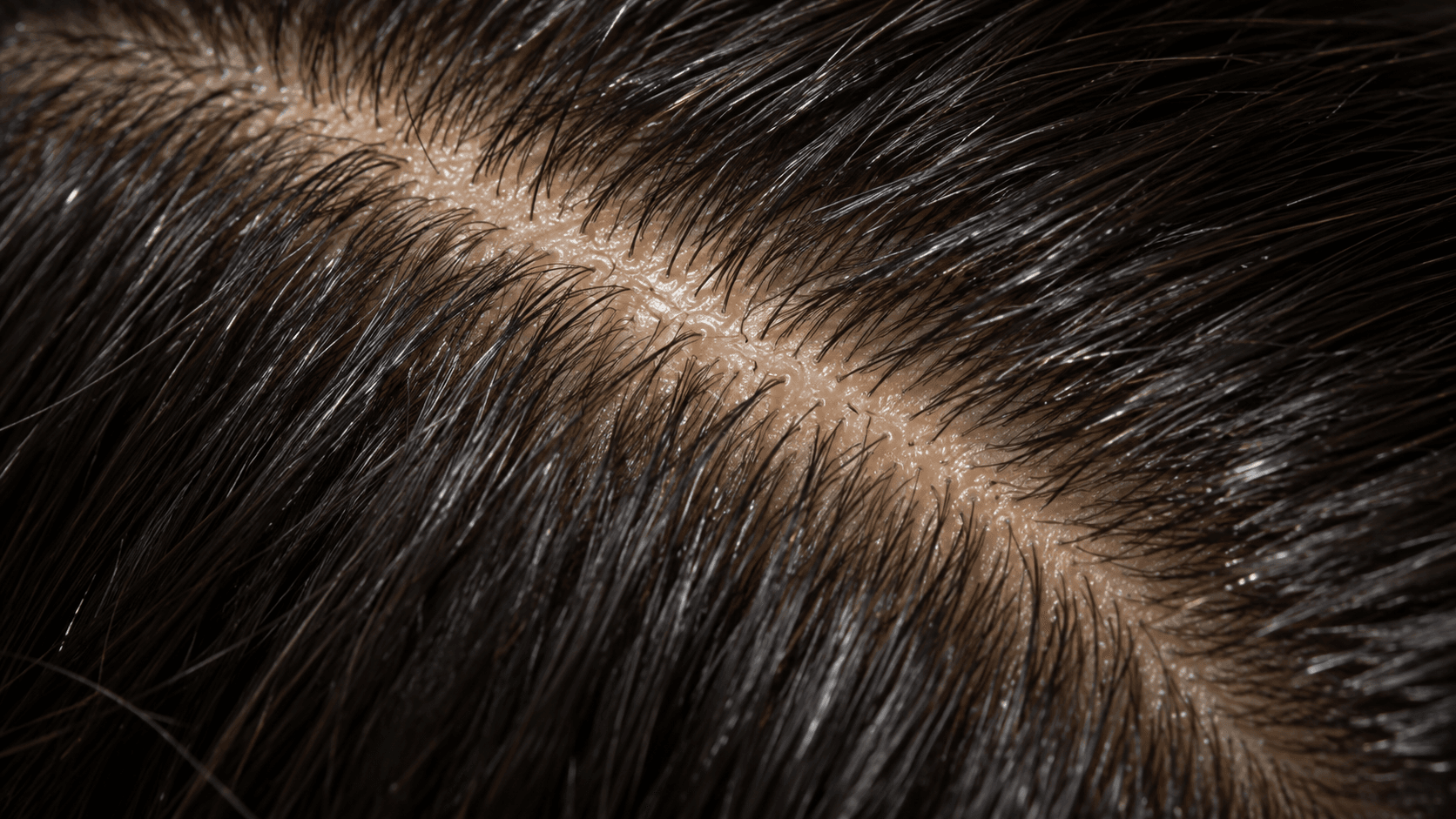
If your hair looks clean in the morning and greasy by the afternoon, you are dealing with one of the most common scalp concerns: seborrhea, better known as greasy or oily hair. It is not about washing “wrong” or not washing enough — the real story happens at the scalp, where the sebaceous glands produce sebum. In this guide we explain what seborrhea is, why some scalps produce too much oil, how it relates to hair health, and how to care for a greasy scalp from a trichology perspective.
What is seborrhea?
Sebum is the natural oil produced by the sebaceous glands in the scalp. In the right amount it is essential: it protects the skin, keeps the scalp comfortable and helps the hair stay supple. Seborrhea is what we call the situation where these glands become overactive and produce more sebum than the scalp needs. The result is the familiar greasy look and feel — roots that flatten quickly, hair that looks heavy, and the sense that you need to wash every single day.
Why does the scalp produce too much oil?
Sebum production is influenced by several factors, and it is rarely just one. The most common include:
- Hormonal factors, which strongly regulate how active the sebaceous glands are.
- Genetics, which set your baseline tendency toward an oily, normal or dry scalp.
- Stress, which can influence the hormonal signals behind sebum production.
- Diet and lifestyle, which may play a contributing role for some people.
- Over-washing or harsh products, which can disrupt the scalp and, in some cases, prompt it to produce even more oil in response.
This last point surprises many people: scrubbing a greasy scalp with aggressive products can backfire. The goal is balance, not stripping the scalp dry.
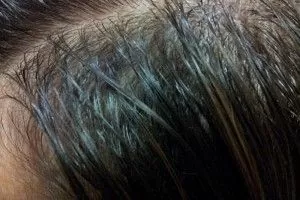
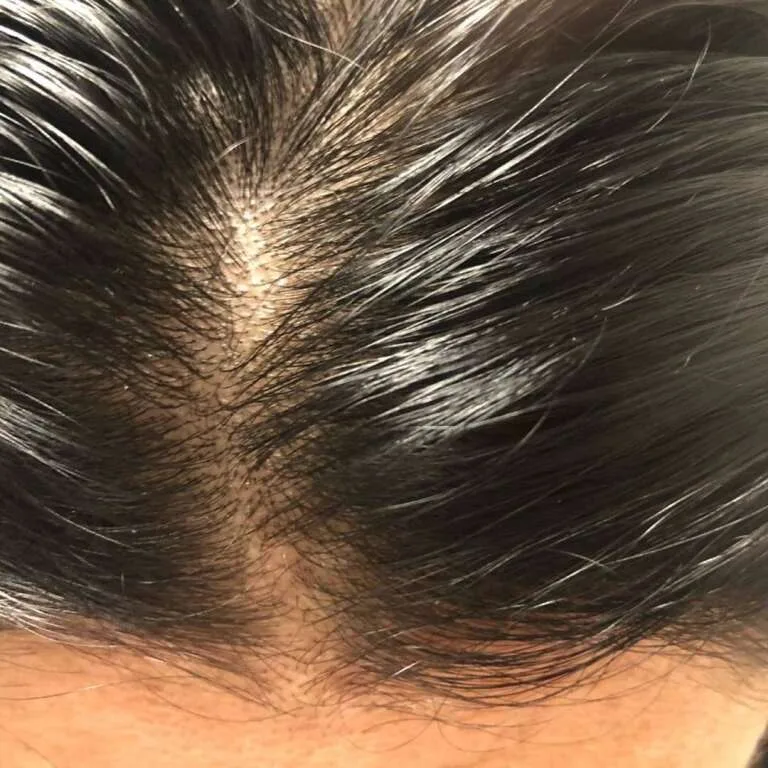
Not all greasy scalps are the same
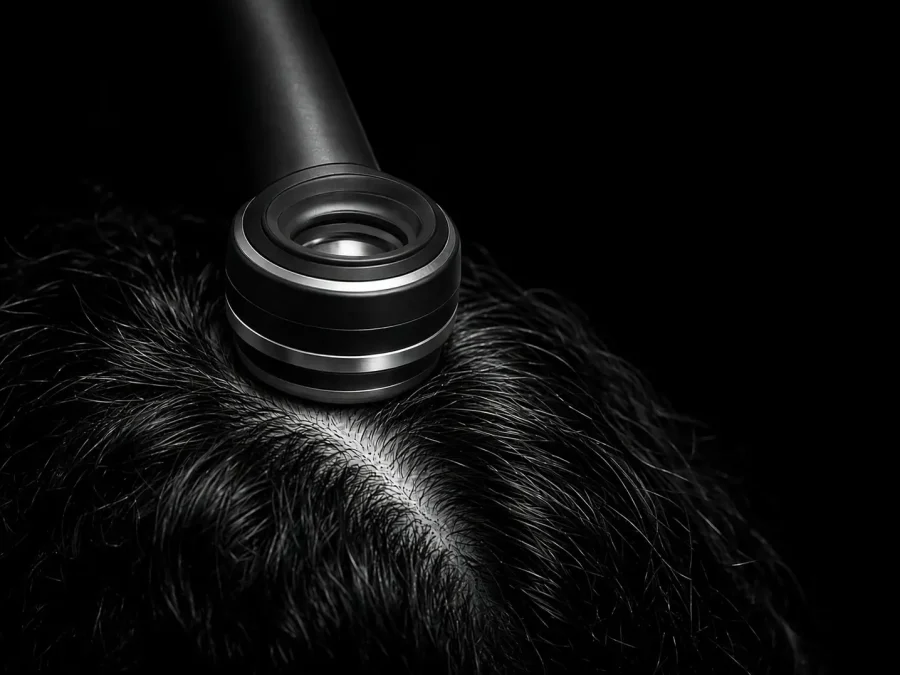
One thing we have learned over more than 37 years of trichology research is that “greasy hair” is not a single condition. Sebum can sit deep in the follicle, or mostly on the surface; some scalps are genuinely oily, while others show what looks like grease but has a different origin. Identifying which type you are dealing with is what makes the difference between a routine that works and one that doesn’t — and it is exactly what a proper scalp assessment is for.
Seborrhea and hair: why it matters
Beyond the cosmetic nuisance, the condition of the scalp matters for the hair that grows from it. In trichology, an oily, congested scalp environment is widely recognised as one of the factors associated with hair that looks weaker and with hair loss concerns. This does not mean grease alone “causes” baldness — hair loss is multifactorial — but keeping the scalp balanced and comfortable is part of caring for the look and strength of your hair. This is why our treatments are organised by concern, with a dedicated Seborrheic Control & Scalp Biobalance range.
How to care for a greasy scalp
A few principles help most oily scalps:
- Wash with a gentle, balancing approach rather than harsh “deep clean” products.
- Apply shampoo to the scalp (where the oil is), not just the lengths.
- Keep rich conditioners and oils away from the root area.
- Be consistent: rebalancing a scalp is a routine, not a one-off.
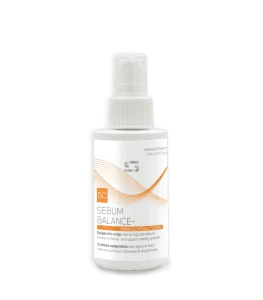
For a targeted routine, our Sebum Control Shampoo+ helps cleanse and balance an oily scalp, while Sebum Balance+ supports day-to-day scalp comfort. You can explore the full Seborrheic Control & Scalp Biobalance range for more options.
Not sure which type of greasy scalp you have?
Because greasy scalps are not all the same, the most useful first step is to understand yours. Our free online Hair Clinic lets you share a few details about your hair and scalp, and a trichology specialist will review your case personally and send you a personalised assessment with recommendations by email — at no cost and with no obligation to buy.
An oily scalp is one piece of the puzzle. See how it fits in our guide to scalp health.
Get your free hair assessment →SIMONE TRICHOLOGY products are cosmetic products and are not intended to diagnose, treat, cure or prevent any medical condition. If you experience persistent itching, redness or flaking, please consult a qualified healthcare professional.