

The quick answer: the best shampoo for hair loss in the UK is the one that suits your scalp, not the one with the boldest promise on the bottle. No shampoo can reverse genetic hair loss, but the right one can make a real difference to how your scalp feels and how your hair looks. A good shampoo for thinning hair keeps the scalp clean and balanced, treats fragile lengths gently and, with a few well-studied ingredients, may help reduce shedding linked to an unsettled scalp. So choose it according to your scalp type and the pattern of your hair loss.
In clinic, “Which shampoo should I use for hair loss?” is one of the first questions people ask me. After more than 37 years in trichology, my answer is always the same: it depends on what is happening at your scalp. This UK guide explains what a shampoo can and cannot do, which ingredients have genuine evidence behind them, how to choose by scalp type and when you should see your GP instead.
What a shampoo can – and can’t – help with
A shampoo stays on your scalp for a minute or two before you rinse it away. That limits what it can do, so it helps to be clear about which kinds of hair loss it can support.
Where a good shampoo can genuinely help
- Shedding made worse by an unhappy scalp. Excess sebum, build-up, flaking and itching do not cause pattern hair loss, but they create an environment that is less than ideal for the follicle. A balancing shampoo supports a healthier-looking scalp.
- Breakage that looks like hair loss. Many people who think they are losing hair are actually losing length: strands snap along the shaft after colouring, bleaching or heat. A gentle, conditioning formula reduces that breakage and helps hair look fuller and denser.
- Temporary shedding (telogen effluvium). After illness, stress, crash dieting or childbirth, shedding usually settles on its own within months. A kind, supportive routine keeps the scalp comfortable while it does – if yours began on a weight-loss jab, follow our hair-care routine for weight-loss jabs.
- Fine, flat hair. Lightweight, volumising formulas lift the roots and help thin hair look thicker without weighing it down.
What a shampoo cannot do on its own
- Reverse male or female pattern hair loss. The NHS describes pattern baldness as usually permanent and lists finasteride and minoxidil as the main treatments – medicines, not hair-care products. A shampoo can be a useful part of the routine around them, but not a replacement.
- Treat patchy loss, scarring alopecia or medical causes. Alopecia areata, scarring alopecias, thyroid problems and iron deficiency need a proper diagnosis from your GP or a dermatologist.
- Make up for the cause. If a tight hairstyle, a nutritional gap or a medication is behind the shedding, no shampoo will outweigh it.
It is also normal to lose hair every day – the NHS puts typical shedding at 50 to 100 hairs a day, often without noticing. More hairs in the plughole on wash days is usually just hair that had already been released, not new loss caused by washing.
Key ingredients a trichologist looks for
Labels are full of promising names, but only a handful of ingredients have been studied in people with hair loss. Here is what the evidence actually shows – and where it runs out.
Zinc pyrithione
Best known as an anti-dandruff active, zinc pyrithione has also been studied in hair loss. In a six-month randomised, investigator-blinded trial of 200 men with pattern hair loss, daily use of a 1% zinc pyrithione shampoo produced a modest increase in visible hair counts compared with a placebo shampoo – roughly half the effect seen with 5% minoxidil solution (Berger et al., British Journal of Dermatology, 2003). It is a sensible choice when shedding comes with flaking or itching.
Ketoconazole
Ketoconazole is an antifungal that targets Malassezia, the yeast involved in dandruff. In a small study of men with androgenetic alopecia, 2% ketoconazole shampoo used two to four times a week was associated with improvements in hair density and in the proportion of growing (anagen) hairs, and with lower scalp sebum (Piérard-Franchimont et al., Dermatology, 1998). The authors themselves called for larger controlled trials. In the UK, 2% ketoconazole shampoo is a pharmacy medicine, so ask your pharmacist or GP whether it suits you.
Caffeine – promising, but over-sold
Caffeine counteracted testosterone-related growth suppression in hair follicles kept in the laboratory (Fischer et al., International Journal of Dermatology, 2007) – but that is a lab result, not proof that a shampoo works on your scalp. A 2025 systematic review found that most clinical studies of topical caffeine were of low or very low quality, often lacking proper controls. In 2018 the UK Advertising Standards Authority ruled that a well-known caffeine shampoo brand did not hold adequate evidence for its claim to help reduce hair loss. Caffeine may be worth a try; just treat bold promises with caution.
Scalp-balancing and fibre-strengthening ingredients
Ingredients such as azelaic acid, niacinamide and B vitamins help manage excess oil, while keratin, amino acids and conditioning proteins strengthen the fibre and cut down on breakage. These are hair-care benefits – a cleaner, calmer scalp and stronger-feeling hair – and that is exactly how they should be described.
What to avoid: harsh, high-foaming detergents if your scalp is sensitive or dry, heavy silicones that build up on fine hair, and any product that promises results “for every type of hair loss”.
How to choose a shampoo by scalp type
The right shampoo for thinning hair starts with the scalp, not the hair. Look at how your scalp behaves a day after washing.
- Oily scalp, roots flat within a day: a sebum-regulating shampoo used regularly. Excess oil makes fine hair cling together and look sparser than it is.
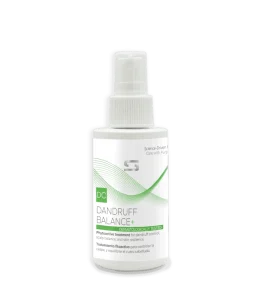
- Flaking or itching: an anti-dandruff formula (zinc pyrithione, piroctone olamine or, on advice, ketoconazole), alternated with a gentle shampoo.
- Dry or sensitive scalp: a mild, low-irritation cleanser with soothing ingredients; avoid very hot water.
- Coloured, bleached or heat-styled hair: a colour-safe, strengthening shampoo and a conditioner on the lengths to limit breakage.
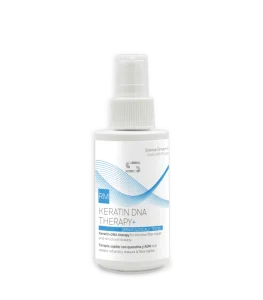
- Fine hair with early thinning: a lightweight density or volumising shampoo, ideally alongside a leave-in scalp treatment.
How to use a hair loss shampoo properly
- Wet hair with lukewarm water, not hot – heat can irritate the scalp and dry the lengths.
- Apply to the scalp, not the ends. Use a small amount and work it in with your fingertips, never your nails.
- Massage for one to two minutes so the formula is spread evenly over the scalp, then leave it on for two to three minutes.
- Rinse thoroughly. Residue left behind adds to build-up and itching.
- Condition the lengths only if your hair is long, coloured or prone to snapping.
- Be consistent. Hair grows about a centimetre a month, so give any routine at least three months before judging it, and take photos in the same light to compare.
In our protocols, a hair loss shampoo is used 3–4 times a week – at least 3 times a week for oily or flaky scalps. Washing does not cause hair loss – see our guide on how often you should wash your hair.
When to see your GP or a dermatologist
A shampoo is the wrong first step if your hair loss is:
- sudden or heavy, with hair coming out in handfuls;
- patchy, with round or oval bald areas;
- accompanied by pain, redness, scaling, pus or scarring on the scalp;
- linked to other symptoms such as tiredness, weight change or irregular periods;
- affecting your eyebrows, eyelashes or body hair, or a child.
The NHS advises seeing a GP to understand the cause of your hair loss before turning to a commercial hair clinic. Your GP can check for causes such as iron deficiency or thyroid problems and refer you to a dermatologist if needed. For a broader overview, read Hair Loss Explained.
Our picks from the SIMONE TRICHOLOGY range
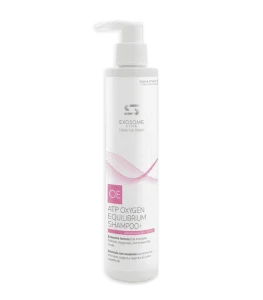
We formulate our shampoos as part of protocols rather than as stand-alone fixes. For thinning hair and shedding, our clinic protocols use two shampoos alternately, 3–4 times a week:
- Hair Loss Prevention Shampoo Plus – for hair that is starting to look thinner or is shedding after a recent trigger. It combines Acetyl Tetrapeptide-3, red clover and beta-sitosterol to help roots feel better anchored and hair look fuller.
- Hair Nutrient Royal Jelly Shampoo Plus – for fine, fragile hair that needs body and a stronger-feeling fibre without weight.
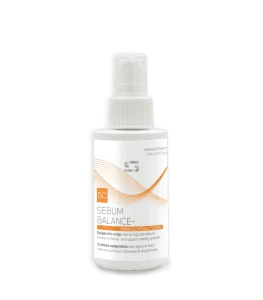
When an oily scalp makes thin hair look flat and sparse, the protocols switch to Sebum Control Shampoo Plus, alternated with Hair Nutrient Royal Jelly Shampoo Plus (or with Hair Loss Prevention Shampoo Plus when the roots look weak), at least 3 times a week.
Each protocol adds a leave-in serum chosen for the cause – see our scalp serum guide – and Dermo Capillary Mask Activated Plus in Micro-Peel mode 1–2 times a week before washing. As an optional extra for coloured or bleached hair that snaps, Hair Loss & Colors Shampoo Plus is colour-safe and strengthening.
You can see the full clinical thinning-hair care range, including leave-in scalp serums. Not sure which suits you? Our free online Hair Clinic lets a trichology specialist look at three photos and a short questionnaire, then send you a personalised assessment – free and with no obligation.
Curious what your scalp is really telling you? SIMONE Hair Scanner reads it from three guided photos and sends your protocol in minutes, free on Android. Try the SIMONE Hair Scanner app
Your questions answered
What is the best shampoo for hair loss?
There is no single best shampoo for everyone. The right choice depends on your scalp type and the cause of the thinning: a balancing shampoo for an oily scalp, an anti-dandruff formula when there is flaking, and a gentle, strengthening shampoo when hair is breaking. Ingredients with some clinical evidence include zinc pyrithione and ketoconazole.
Can a shampoo fix thinning hair on its own?
Not on its own. A shampoo cannot reverse male or female pattern hair loss, which usually needs medical treatment such as minoxidil or finasteride. What a good shampoo can do is support a healthier-looking scalp, reduce breakage and help hair look fuller and denser.
Does washing your hair make hair loss worse?
No. Hairs you see after washing had usually already been released from the follicle. Most people lose 50 to 100 hairs a day. Gentle, regular washing with lukewarm water keeps the scalp clean without adding to shedding.
Do caffeine shampoos work for hair loss?
Caffeine has shown effects on hair follicles in the laboratory, but most clinical studies of caffeine products are of low quality, and in 2018 the UK Advertising Standards Authority found one well-known brand did not have adequate evidence for its hair loss claim. It may be worth a try, but expect modest results at best.
How long should I use a hair loss shampoo before I see a difference?
Allow at least three months of consistent use. Hair grows about a centimetre a month, so changes in how full your hair looks take time. Take photos in the same light and position every few weeks to compare.
When should I see a GP about hair loss?
See your GP if hair loss is sudden or heavy, comes out in patches, affects your eyebrows or body hair, or comes with scalp pain, redness, scaling or other symptoms such as tiredness. Your GP can look for causes like iron deficiency or thyroid problems and refer you to a dermatologist.
Sources
- NHS. Hair loss.
- Berger RS, Fu JL, Smiles KA, et al. The effects of minoxidil, 1% pyrithione zinc and a combination of both on hair density: a randomized controlled trial. Br J Dermatol. 2003;149(2):354–362.
- Piérard-Franchimont C, De Doncker P, Cauwenbergh G, Piérard GE. Ketoconazole shampoo: effect of long-term use in androgenic alopecia. Dermatology. 1998;196(4):474–477.
- Fischer TW, Hipler UC, Elsner P. Effect of caffeine and testosterone on the proliferation of human hair follicles in vitro. Int J Dermatol. 2007.
- Szendzielorz E, Spiewak R. Caffeine as an Active Ingredient … Against Hair Loss: A Systematic Review of Available Clinical Evidence. Healthcare. 2025;13:395.
- Advertising Standards Authority (28 March 2018). ASA Ruling on Dr Kurt Wolff GmbH & Co KG t/a Alpecin.
SIMONE TRICHOLOGY products are dermocosmetics and are not intended to diagnose, treat or prevent any medical condition. If your hair loss is sudden, patchy or worrying you, please speak to your GP or a dermatologist.
Reviewed by Pablo Ramos, trichologist and founder of SIMONE TRICHOLOGY.