

The quick answer: the best hair loss shampoo for women is the one that matches what is happening at your scalp and in your life right now. After having a baby, a gentle, supportive formula is enough while the hair cycle resets. Around the menopause, when hair often becomes finer and the scalp drier, a lightweight shampoo that adds body without weight works best. Coloured hair needs a colour-safe, strengthening formula, and an oily scalp needs balancing. No shampoo reverses female pattern hair loss, but the right one helps hair look fuller and denser and keeps the scalp comfortable.
Women’s hair changes with every stage of life – pregnancy, the months after birth, perimenopause and beyond – and the shampoo that suited you at 25 may not suit you at 50. In this guide I explain what drives thinning in women at each stage, which shampoo features matter, how to build a simple routine and when to see your GP rather than reaching for another bottle.
Why women’s hair thins: the main patterns
Before choosing a shampoo, it helps to know which kind of thinning you are dealing with. In women, three patterns account for most of what I see in clinic.
Temporary shedding
A sudden increase in hair fall, usually two to three months after a trigger such as childbirth, illness, stress, a crash diet or rapid weight loss on a weight-loss jab such as Mounjaro. It is called telogen effluvium, it is diffuse and it normally settles within about six months.
Female pattern hair loss
A gradual thinning over the top of the head, with a widening parting, while the hairline at the front usually stays in place. The hairs become progressively finer. It can start at any age after puberty but becomes more common after the menopause, and it tends to run in families.
Breakage that looks like thinning
Colouring, bleaching, heat and tight styles can make strands snap along their length, so the ends look sparse even though the scalp is unchanged. See why hair breaks.
Not sure which applies to you? Our guide to hair shedding vs hair loss walks you through five simple checks.
Hair changes at each life stage
During pregnancy
Many women find their hair looks thicker in pregnancy, because higher oestrogen levels keep more hairs in the growing phase for longer. Some notice thinning instead, which may be linked to low iron or thyroid changes and is worth mentioning to your midwife or GP. More in hair loss during pregnancy.
After having a baby
All the hairs held on to during pregnancy are released together after the birth. Postpartum shedding usually appears around two to three months after delivery and usually settles within six to twelve months. It can be dramatic, but it is temporary. A mild shampoo, regular washing and gentle styling are all most women need. Read our guide to postpartum hair loss.
Perimenopause and menopause
The NHS lists hair thinning or hair loss among the symptoms of menopause and perimenopause. As oestrogen falls, the influence of androgens on the follicles becomes relatively stronger, so hairs may grow finer and the parting may widen. Many women also notice a drier scalp, more frizz and less volume. See menopause hair thinning.
Other common contributors
- Low iron stores, especially with heavy periods or a plant-based diet without careful planning;
- thyroid imbalance, under- or overactive;
- polycystic ovary syndrome (PCOS), which can bring thinning on the scalp alongside other signs;
- stopping or changing hormonal contraception;
- tight hairstyles, extensions and frequent chemical processing.
For a full overview, read our guide to female hair loss.
What to look for in a hair loss shampoo for women
A gentle, scalp-friendly cleanser
A comfortable scalp is the starting point. Look for mild cleansing agents rather than very high-foaming detergents, particularly if your scalp feels tight or itchy – common around the menopause. If your scalp reacts easily, see our guide to the sensitive scalp.
Lightweight body, not heavy coating
Finer hair collapses under rich oils and heavy silicones. Lightweight formulas with proteins and amino acids add body at the roots and help hair look thicker.
Colour-safe strengthening
Many women colour their hair to disguise grey or add depth. Sulphate-free, colour-safe shampoos with strengthening ingredients reduce fading and breakage, which in turn helps the lengths look fuller. See caring for coloured and bleached hair.
Ingredients with some evidence
Zinc pyrithione and ketoconazole have been studied in hair loss, mostly in men and in small trials, and are particularly useful when thinning comes with flaking or itching. Ingredients such as caffeine have been heavily marketed but the clinical evidence is weak. Our guide to the best shampoo for hair loss covers the evidence in detail.
What to be wary of
- promises that a shampoo will reverse thinning or work for every type of hair loss;
- very hot water and aggressive scrubbing with the nails;
- heavy, oily formulas on fine hair, which make roots look flat and sparse.
Choosing by stage and hair type
| Your situation | What to look for | From our range |
|---|---|---|
| Shedding after having a baby | Two shampoos alternated 3–4 times a week; a gentle leave-in for 8–12 weeks | Hair Loss Prevention Shampoo Plus + Hair Nutrient Royal Jelly Shampoo Plus (alternated) Royal Jelly Hair Activator Plus |
| Finer hair around the menopause | Same routine: shampoos alternated, gentle all-round leave-in support | Hair Loss Prevention Shampoo Plus + Hair Nutrient Royal Jelly Shampoo Plus (alternated) Royal Jelly Hair Activator Plus |
| Shedding after a fever or illness | A short, intensive leave-in programme | Dixidox Forte Advance Plus PROSCIENCE+ (“shock” option for very heavy shedding) |
| Diffuse thinning or thinning from tight styles | Leave-in for 8–12 weeks; loosen the pulling | DNA Hairmax Pro Plus |
| Optional extras for hair type | Colour-safe shampoo for coloured hair; volumising shampoo for fine, flat hair; repairing conditioner on the lengths | Hair Loss & Colors Shampoo Plus Volume Therapy Shampoo Plus Triple Action Conditioner Deep Repair Plus |
Browse the full Thinning Hair & Hair Loss Care range, or let us suggest a routine: send three photos to our free online Hair Clinic for a personalised, no-obligation assessment from a trichology specialist.
Curious what your scalp is really telling you? SIMONE Hair Scanner reads it from three guided photos and sends your protocol in minutes, free on Android. Get the free hair scanner app
A simple routine for thinning hair
- Wash 3–4 times a week (at least 3 times a week if your scalp is oily or flaky), alternating your two shampoos. Washing does not cause hair loss; see how often to wash your hair.
- Use lukewarm water, massage the shampoo into the scalp with your fingertips for one to two minutes and leave it on for two to three minutes before rinsing.
- Prepare the scalp 1–2 times a week before washing with Dermo Capillary Mask Activated Plus in Micro-Peel mode; if your scalp feels very dry or tight, it can also be used in Deep Repair Mask mode after shampooing, 1–3 times a week.
- Condition the lengths only, keeping heavy products away from the roots.
- Apply your leave-in serum to a clean scalp, dry or slightly damp, in sections; massage for 1–2 minutes and do not rinse. See our scalp serum guide for programmes.
- Dry gently: blot with a towel, use a wide-tooth comb and keep heat on a moderate setting. For lift, see how to get volume at the roots.
- Give it time. Hair grows about a centimetre a month, so judge any routine after at least three months, comparing photos taken in the same light.
When to see your GP
A shampoo is not the right first step if:
- shedding is heavy for more than six months, or your parting is steadily widening;
- you notice bald patches, or your eyebrows or eyelashes are thinning;
- thinning comes with irregular periods, acne or extra facial or body hair, which can point to a hormonal cause such as PCOS;
- you feel unusually tired, cold or breathless, which can suggest low iron or a thyroid problem;
- your scalp is red, scaly, painful or scarred.
Your GP can arrange blood tests and, if needed, refer you to a dermatologist. Female pattern hair loss responds best when it is assessed early, and the options with the strongest evidence are medicines – a good shampoo works alongside them, not instead of them.
Your questions answered
What is the best hair loss shampoo for women?
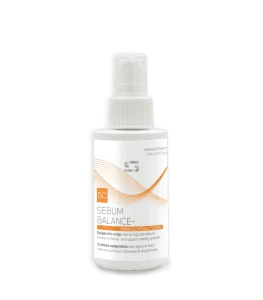
There is no single best shampoo for every woman. Choose according to your stage and hair type: after childbirth or around the menopause, our protocols alternate Hair Loss Prevention Shampoo Plus and Hair Nutrient Royal Jelly Shampoo Plus 3–4 times a week, with Royal Jelly Hair Activator Plus as the leave-in; for an oily scalp, a balancing shampoo such as Sebum Control Shampoo Plus. A colour-safe shampoo is an optional extra for coloured hair.
Can a shampoo reverse female pattern hair loss?
No. Female pattern hair loss is usually long-term and the options with the strongest evidence are medicines, so see your GP or a dermatologist. A good shampoo is still useful alongside them: it keeps the scalp comfortable and helps hair look fuller and denser.
Which shampoo is best for postpartum hair loss?
Postpartum shedding is temporary and usually settles within six to twelve months. Our protocol alternates Hair Loss Prevention Shampoo Plus and Hair Nutrient Royal Jelly Shampoo Plus 3–4 times a week, with Royal Jelly Hair Activator Plus as a gentle leave-in. There is no need to wash less often, as the hairs you see were already released.
Why is my hair thinning during the menopause?
As oestrogen falls, the effect of androgens on the hair follicles becomes relatively stronger, so hairs can grow finer and the parting may widen. The NHS lists hair thinning among the symptoms of menopause and perimenopause.
Are sulphate-free shampoos better for thinning hair?
Not automatically, but milder cleansers are often more comfortable for dry or sensitive scalps and kinder to coloured hair. If your scalp is oily, a slightly stronger, balancing shampoo may suit you better.
How long before I notice a difference with a new shampoo?
Allow at least three months of consistent use. Hair grows about a centimetre a month, so changes in how full your hair looks take time. Compare photos taken in the same light every few weeks.
Sources
- NHS. Hair loss.
- NHS. Symptoms of menopause and perimenopause.
- DermNet. Female pattern hair loss.
- DermNet. Telogen effluvium.
- American Academy of Dermatology. Do you have hair loss or hair shedding?
SIMONE TRICHOLOGY products are dermocosmetics and are not intended to diagnose, treat or prevent any medical condition. If your hair loss is sudden, patchy or worrying you, please speak to your GP or a dermatologist.