









The quick answer: hair shedding linked to Mounjaro (tirzepatide) usually starts around 2–4 months after the weight begins to come off, is most noticeable for a few weeks to a few months, and normally eases once your weight and eating pattern settle – often within about six months of starting. It is very rarely permanent: it is typically a temporary shift in the hair cycle rather than damage to the follicles. Getting back to your usual density takes longer, because hair grows only about a centimetre a month. If shedding carries on beyond six months, or you see bald patches or a widening parting, speak to your GP.
“When will it stop?” is the question I hear most from people on weight-loss jabs. The delay between starting the medicine and seeing hair in the plughole confuses many people – by the time the shedding starts, they often feel well and their weight loss is going to plan. This guide explains why the timing works the way it does, what a typical timeline looks like and what can change it. For the bigger picture, start with our hub guide to weight-loss jabs and hair loss.
Why does the shedding start months later?
At any one time, most of the hairs on your head are in their growing phase, which lasts several years. A smaller share are in the resting phase, which lasts around three months before the hair is shed and a new one starts to form beneath it.
When the body goes through a significant physical stress – and losing weight quickly while eating much less is one – a larger group of follicles can switch into the resting phase at the same time. Nothing seems to happen at first. Then, around two to three months later, those resting hairs are released together. That delay is why the shedding often appears just when you are getting used to the medicine. This pattern is called telogen effluvium, and the BMJ noted in July 2026 that with weight-loss medicines it typically begins 2–4 months after significant weight loss.
A typical Mounjaro hair loss timeline
Everyone is different, and the timeline depends on how fast you lose weight and how well you are eating. This is the pattern I see most often in clinic:
| Time since starting | What is happening | What you may notice |
|---|---|---|
| Months 0–2 | Dose is being increased; appetite falls; weight starts to come off. Some follicles may already be switching to the resting phase. | Usually nothing different about your hair. |
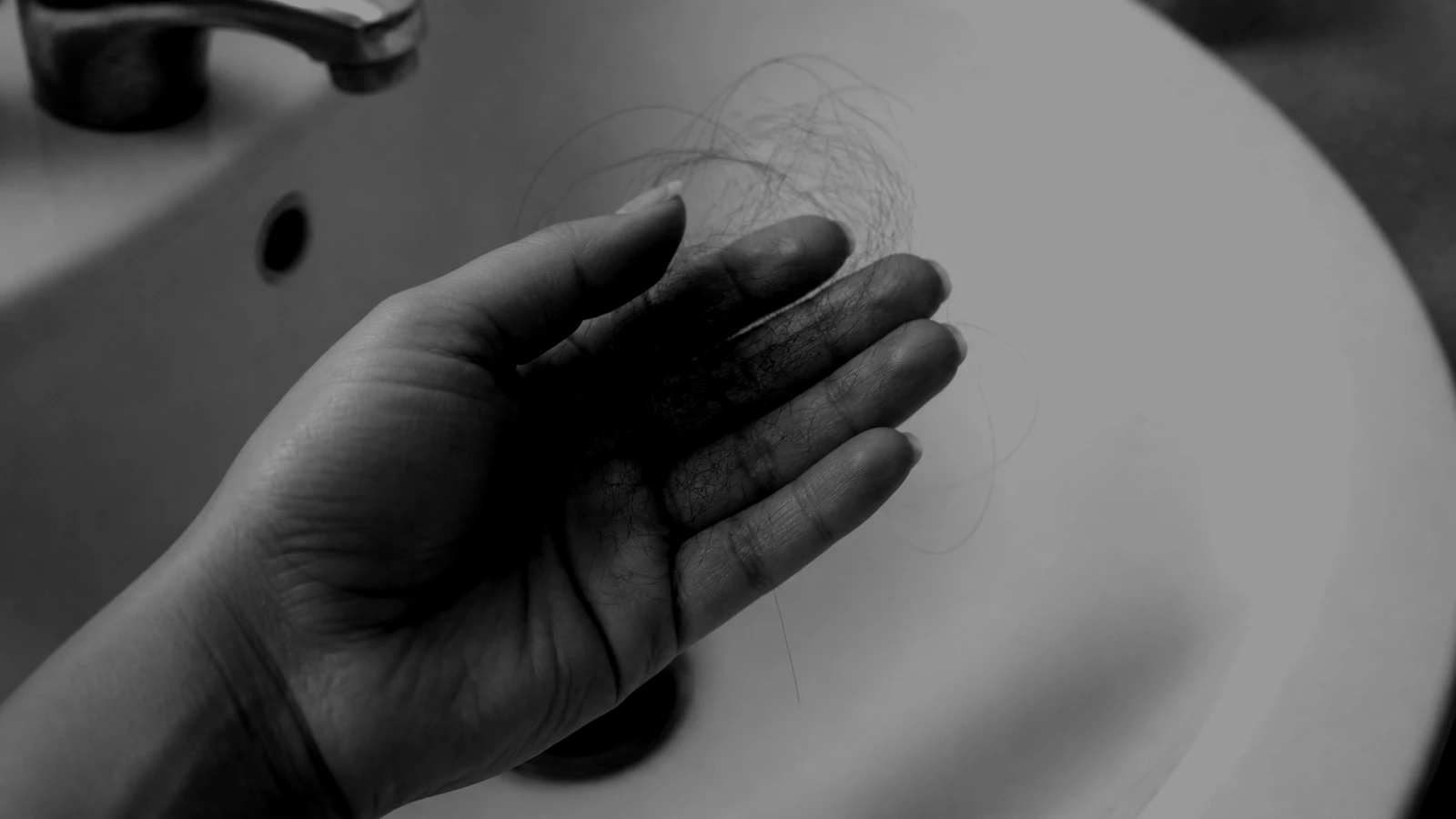
| Months 2–4 | The resting hairs start to be released. | More hairs in the shower, brush and on the pillow, from all over the head. The scalp looks normal. |
| Months 4–6 | Shedding peaks and then begins to ease, especially if your weight loss slows and you are eating enough protein. | Hair can feel thinner overall and your ponytail smaller; the amount of hair in the plughole starts to fall. |
| Months 6–9 | Shedding returns to normal levels; new hairs are in their growing phase. | Short, fine hairs along the hairline and parting. |
| Months 9–12 and beyond | The new hairs lengthen at around a centimetre a month. | Hair gradually looks fuller again; long hair takes longest to look the same at the ends. |
A normal day’s shedding is roughly 50–100 hairs, according to the NHS. During a shedding phase it can be noticeably more than that, which is alarming but usually temporary.
When does Mounjaro hair loss stop?
For most people it eases a few months after it starts. Four things tend to make it settle sooner:
- Your weight loss slowing or stabilising. The biggest trigger is the speed of change; once that slows, the hair cycle tends to follow.
- Eating enough protein and iron. See our guide to protein for hair while losing weight.
- No other triggers at the same time. Illness, surgery, a new medicine, a very stressful period or a recent pregnancy can each cause shedding on their own and stack up.
- Normal blood levels. Low iron stores, low vitamin D and thyroid problems can keep shedding going. Your GP can check them.
If it has not eased after about six months, it may have become a longer-running form of telogen effluvium, or another type of hair loss may be involved. That is the point to see your GP.
Is Mounjaro hair loss permanent?
Usually not. In telogen effluvium the follicles are not destroyed – they have simply moved into their resting phase early, and they go on to form new hairs. There are two important exceptions to keep in mind:
- Pattern thinning that was already there. If male or female pattern hair loss runs in your family, a bout of shedding can make it much more visible at the crown, parting or temples. Pattern thinning is gradual and long-term, and it does not settle on its own like shedding does. Read more in female hair loss and GLP-1 medicines and hair loss in men.
- Bald patches or a scarred scalp. These are not typical of weight-loss shedding and need a medical assessment.
Is Wegovy or Ozempic hair loss any different?
Semaglutide (the medicine in Wegovy and Ozempic) and tirzepatide (Mounjaro) work in similar ways, and the hair shedding reported with both follows the same pattern and timeline. In US prescribing information, hair loss was reported by 3% of adults taking semaglutide 2.4 mg compared with 1% on placebo, and by 7.1% of women and 0.5% of men taking tirzepatide for weight management. Differences between individuals – how quickly they lose weight, what they eat, their sex and family history – matter more than the brand.
What happens to your hair after stopping Mounjaro?
Stopping the medicine does not switch shedding off straight away: the hairs that have already entered the resting phase will still be released on their usual schedule. Stopping does not in itself cause hair loss either, but any further big changes – rapid weight regain or another round of very restrictive dieting – are physical stresses that can affect the hair cycle again. Never stop or change your dose because of your hair without talking to your prescriber; they can help you plan a gradual, steady approach.
How to track your progress
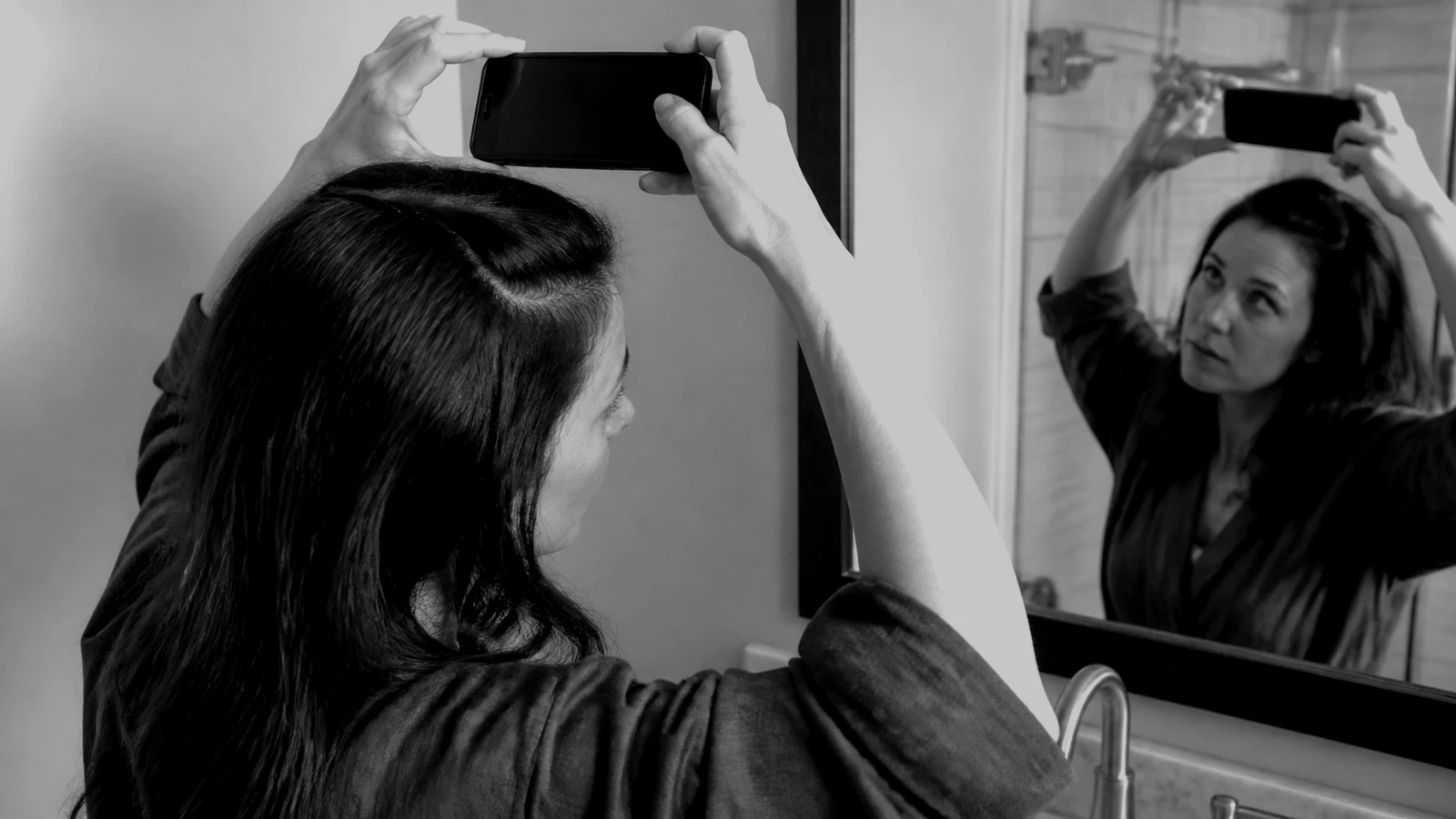
Shedding feels worse than it looks, and progress is slow, so it helps to have something objective to compare:
- Take photos every four weeks of your parting, crown and hairline, in the same spot, light and hairstyle.
- Note your ponytail – how many times the band wraps around it is a simple guide to overall density.
- Look for short new hairs along the hairline and parting from around month six onwards.
- Write down dates – when you started the medicine, dose changes, any illness – to share with your GP or trichologist.
You can also send three photos to our free online Hair Clinic for a personalised assessment.
What you can do while you wait
You cannot rush the hair cycle, but you can look after your scalp and protect the hair you have. In clinic, for shedding that starts a few months after the weight starts coming off, I usually suggest a short, focused programme following our usage protocols:
- Dixidox Forte Advance Plus leave-in serum morning and evening for 10 days, then once a day or 3–5 times a week for 6–8 weeks. For very heavy shedding, PROSCIENCE+ follows the same schedule.
- Washing 3–4 times a week, alternating Hair Loss Prevention Shampoo Plus and Hair Nutrient Royal Jelly Shampoo Plus, with lukewarm water and a gentle scalp massage.
Together these help keep the scalp comfortable and balanced and help hair look fuller and denser while the cycle settles. The complete step-by-step plan is in our guide to a hair-care routine for weight-loss jabs.
When to see your GP
See your GP if shedding continues for more than six months, if it is very heavy, if you notice bald patches, a widening parting or receding temples, or if your scalp is red, sore, scaly or scarred. Also mention any tiredness, feeling cold, hair that feels very dry or brittle, or periods that have changed – these can point to iron, thyroid or hormonal causes. Always tell your GP which weight-loss medicine you are taking.
Your questions answered
When does Mounjaro hair loss start?
Shedding usually starts around 2–4 months after the weight begins to come off. The delay happens because hairs that switch into the resting phase stay in place for about three months before they are shed.
When does Mounjaro hair loss stop?
For most people it eases a few months after it starts, especially once weight loss slows or stabilises and you are eating enough protein and iron. If it has not eased after about six months, see your GP.
Is Mounjaro hair loss permanent?
Usually not. It is typically telogen effluvium, a temporary shift in the hair cycle in which the follicles are not destroyed. The exceptions are pattern thinning that the shedding has made more visible, and bald patches or a scarred scalp, which need a medical assessment.
Will lowering my Mounjaro dose reduce hair loss?
This has not been properly studied. Slower weight loss is generally gentler on the hair cycle, but dose decisions depend on your overall health, so discuss any change with your prescriber rather than adjusting it yourself.
Will my hair recover after stopping Mounjaro?
Shedding linked to weight loss usually settles whether or not you continue the medicine, and hair gradually looks fuller over the following months. Stopping does not switch shedding off straight away, and big swings in weight afterwards can be another trigger.
Is Wegovy hair loss the same as Mounjaro hair loss?
Yes, the pattern and timeline are similar. Semaglutide (Wegovy, Ozempic) and tirzepatide (Mounjaro) both reduce appetite and lead to weight loss, and the shedding reported with both is mostly the same diffuse, temporary type.
Sources
- NHS. Hair loss.
- BMJ. Does Mounjaro cause hair loss? 29 July 2026.
- NHS Specialist Pharmacy Service. Revised SPC: Mounjaro (tirzepatide) solution for injection in pre-filled pen.
- Drugs.com. Do Ozempic, Wegovy, Mounjaro & Zepbound cause hair loss? (summary of US prescribing information).
- Gupta AK, et al. GLP-1 therapies and hair loss: a systematic review of current evidence and implications for counseling. Sci Prog 2026.
This article is for general information and does not replace advice from your doctor or pharmacist. SIMONE TRICHOLOGY does not sell or recommend weight-loss medicines. SIMONE TRICHOLOGY products are cosmetics and are not intended to diagnose, treat or prevent any medical condition. If your hair loss is sudden, patchy or worrying you, please speak to your GP or a dermatologist.