
The quick answer: when you lose weight quickly – on a weight-loss jab or a strict diet – your hair can show it a few months later. Protein, iron, vitamin D and zinc are the nutrients most worth watching. UK guidance puts adults’ protein needs at about 0.75 g per kilogram of body weight a day, so a 75 kg adult needs at least around 56 g – which is easy to miss when your appetite is small. Put protein first on your plate, eat iron-rich foods, take vitamin D in autumn and winter as the NHS advises, and ask your GP for a blood test rather than guessing with high-dose supplements.
The NHS lists weight loss among the common causes of temporary hair loss, alongside illness, stress and iron deficiency. In clinic, the people whose hair copes best with a big weight change are usually those who manage to keep eating well while eating less. This guide covers what your hair needs, how much protein and iron to aim for, simple ideas for small appetites and which supplements are – and are not – worth considering. It is part of our series on weight-loss jabs and hair loss.
Why your hair notices when you eat less
Hair follicles are some of the most active cells in the body, producing a new hair shaft made mostly of keratin – a protein. To keep doing this they need a steady supply of protein, energy, iron, zinc and vitamins. When the supply drops, the body prioritises vital organs, and hair growth is one of the first things to be scaled back. Many follicles move into their resting phase early and are shed around two to three months later; this is called telogen effluvium.
Weight-loss medicines such as Mounjaro or Wegovy reduce appetite strongly, and side effects like nausea can make eating harder still. So it is easy, without meaning to, to eat far less protein than your body needs. That is why nutrition is one of the few factors in jab-related shedding that you can really influence.
How much protein do you need for your hair?
There is no separate “hair dose” of protein. The goal is simply to meet your body’s overall needs, so there is enough left over for non-essential jobs like growing hair. The UK reference nutrient intake for adults is 0.75 g of protein per kilogram of body weight per day (British Nutrition Foundation). Some people – older adults and those losing weight quickly – may be advised by a dietitian to aim higher; follow the advice of your prescriber or dietitian if you have been given a target.
| Body weight | Minimum protein a day (0.75 g/kg) |
|---|---|
| 60 kg (9 st 6 lb) | About 45 g |
| 75 kg (11 st 11 lb) | About 56 g |
| 90 kg (14 st 2 lb) | About 68 g |
| 110 kg (17 st 5 lb) | About 83 g |
Where to find it
Approximate protein in common portions (check labels, as brands vary):
| Food | Portion | Approximate protein |
|---|---|---|
| Chicken breast, cooked | 100 g | 30 g |
| Tuna, tinned in water, drained | 100 g | 25 g |
| Salmon fillet, cooked | 100 g | 22–25 g |
| Greek-style yoghurt, plain, low-fat | 150 g pot | 12–15 g |
| Eggs | 2 medium | 12 g |
| Tofu, firm | 100 g | 12–15 g |
| Lentils or chickpeas, cooked | 100 g | 7–9 g |
| Milk | 250 ml glass | 8–9 g |
Iron, vitamin D and zinc
Iron
Low iron is one of the most common nutritional links with shedding, particularly in women who have periods. The NHS recommends 8.7 mg of iron a day for men aged 19 and over and for women aged 50 and over, and 14.8 mg a day for women aged 19 to 49. Good sources include red meat (in moderation), pulses, tofu, dark green leafy vegetables, dried fruit and fortified breakfast cereals. Eating them with a source of vitamin C – a glass of orange juice, peppers, berries – helps your body absorb the iron from plant foods. Tea and coffee with meals do the opposite.
Vitamin D
The NHS advises everyone in the UK to consider a daily 10 microgram vitamin D supplement in autumn and winter, when sunlight is too weak for the skin to make enough. Low vitamin D is common and is often checked when people see their GP about shedding.
Zinc
Zinc is involved in the growth and repair of tissues, including hair. Meat, shellfish, dairy, bread and cereal products are the main sources. Most people get enough from a varied diet, but intake can fall when portions shrink.
Eating for your hair when your appetite is small
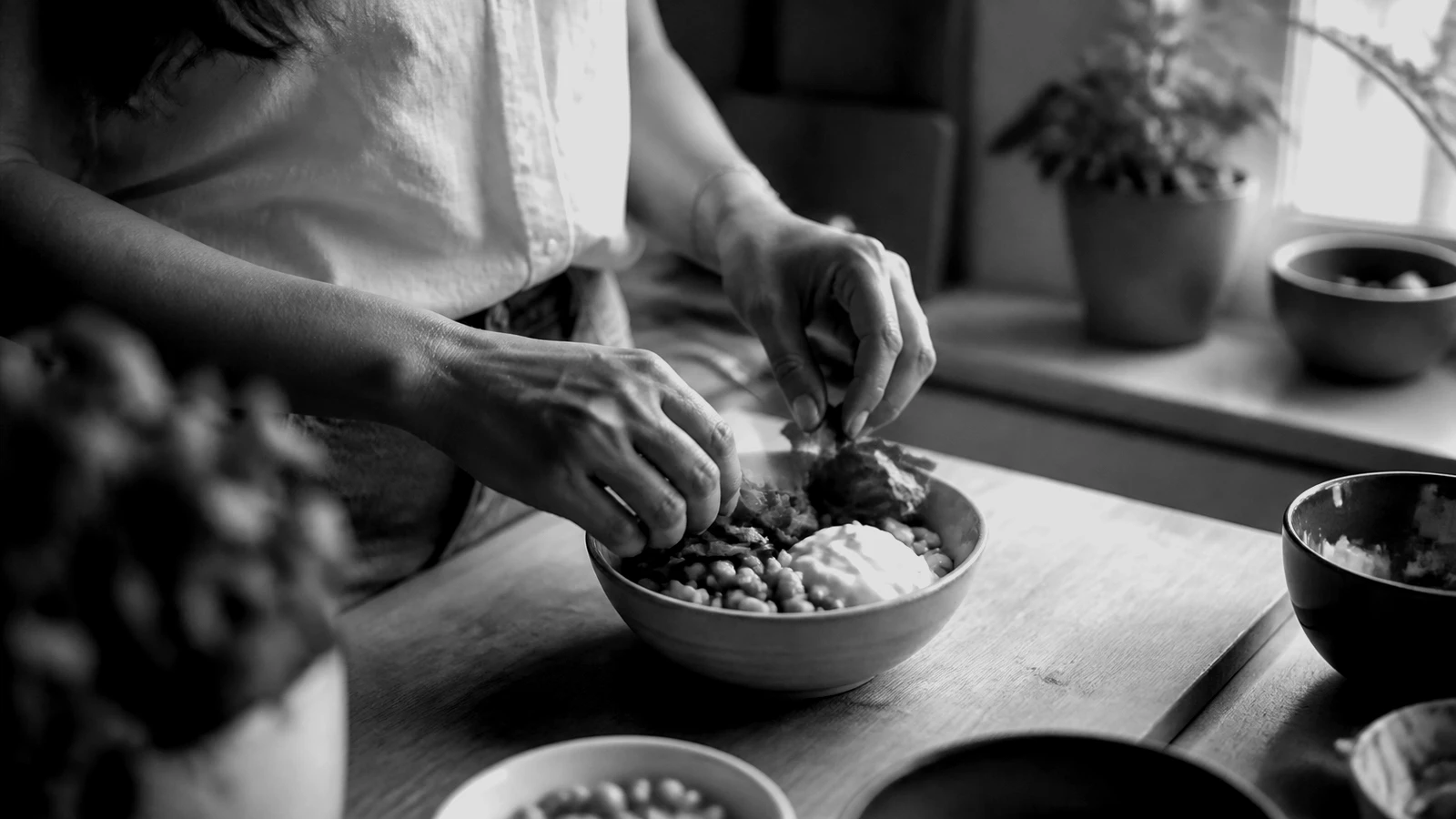
These are the practical tips I share most often with clients on weight-loss jabs:
- Protein first. Start each meal with the protein part of the plate, so that if you feel full early it is the bread or pasta that gets left.
- Smaller, more frequent meals. Three small meals and one or two protein-rich snacks are easier than two big meals.
- Use “easy” proteins. Yoghurt, kefir, milk, cottage cheese, eggs, soups with lentils or beans and smoothies made with yoghurt or milk are gentle when you feel queasy.
- Don’t skip meals just because you are not hungry; set a simple routine.
- Keep plenty of colour on the plate – vegetables and fruit for vitamin C, folate and fibre.
- Drink enough fluids throughout the day.
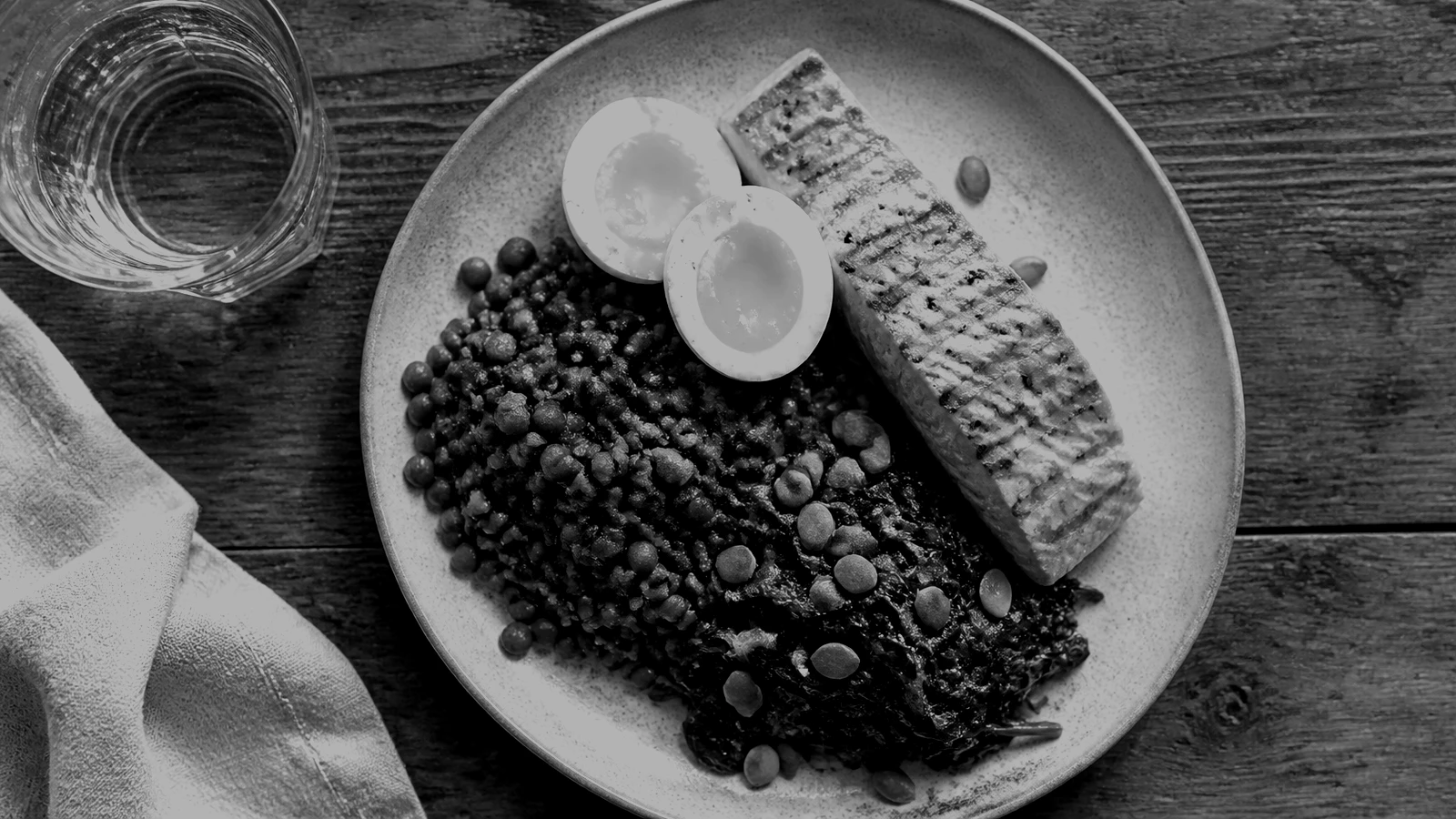
A simple day might look like this: Greek yoghurt with berries and seeds for breakfast; an omelette with spinach at lunch; a small tin of tuna or a glass of milk mid-afternoon; salmon or chicken with lentils and greens for dinner. For more on the wider link between diet and hair, see how food affects your hair.
Do you need supplements?
Not automatically. Supplements are useful when blood tests show you are low in something, or – in the case of vitamin D – when the NHS recommends them for everyone. Otherwise, a “hair vitamin” cannot make up for a diet that is short of protein and energy. A few points to keep in mind:
- Get tested first. Your GP can check iron stores (ferritin), vitamin D, B12, folate and thyroid function.
- More is not better. Too much of some nutrients, such as vitamin A or selenium, has itself been linked to hair shedding.
- Biotin can affect blood tests. High-dose biotin can interfere with some laboratory results, including thyroid tests, so tell your GP if you take it.
- Protein shakes are food, not medicine. They can help if you are struggling to eat enough, but whole foods come first. Ask your prescriber or a dietitian if you are unsure.
- Check with your pharmacist before combining supplements with your medicines.
Men who are worried that their hairline or crown is changing, rather than shedding all over, may find our guide to GLP-1 medicines and male pattern hair loss more useful – diet alone does not explain pattern thinning.
Looking after your scalp at the same time
Good nutrition supports the hair you are growing; a consistent scalp routine looks after the hair you already have. For shedding that appears a few months after rapid weight loss, I usually suggest the short programme in our usage protocols: Dixidox Forte Advance Plus morning and evening for 10 days, then once a day or 3–5 times a week for 6–8 weeks, with Hair Nutrient Royal Jelly Shampoo Plus alternated with Hair Loss Prevention Shampoo Plus 3–4 times a week. If your shedding coincides with the menopause, Royal Jelly Hair Activator Plus is the leave-in I would usually choose instead. These help keep the scalp comfortable and balanced and help hair look fuller and denser. The full routine is in our guide to a hair-care routine for weight-loss jabs, and the Mounjaro hair loss timeline explains how long shedding usually lasts.
When to see your GP
See your GP if you are shedding heavily or for more than six months, if you feel unusually tired, breathless, dizzy or cold, if your nails become brittle or spoon-shaped, or if you are struggling to eat enough on a weight-loss medicine. These can be signs of iron deficiency anaemia, a thyroid problem or another issue that needs checking. Your prescriber should also know if you are eating very little or having persistent nausea or vomiting.
Your questions answered
How much protein do I need to keep my hair healthy while losing weight?
The UK reference intake for adults is 0.75 g of protein per kilogram of body weight a day – about 56 g for a 75 kg adult. Some people losing weight quickly are advised by a dietitian to aim higher, so follow any target your prescriber or dietitian gives you.
Which vitamins and minerals matter most for hair on Mounjaro?
Iron, vitamin D and zinc are the ones most worth watching, along with enough protein and overall energy. The NHS advises a 10 microgram vitamin D supplement in autumn and winter; for iron and others, ask your GP for a blood test before supplementing.
Should I take a hair supplement on a weight-loss jab?
Not automatically. Supplements are useful when a blood test shows you are low in something. High doses of some nutrients, such as vitamin A or selenium, have themselves been linked to shedding, and biotin can interfere with some blood tests.
Can protein shakes help my hair?
They can help you reach your daily protein if you are struggling to eat enough, which supports your body overall, including hair growth. Whole foods come first, and it is worth checking with your prescriber or a dietitian.
Can low iron cause hair shedding?
Yes. The NHS lists iron deficiency among the causes of temporary hair loss. Women who have periods are most at risk. If you are shedding and feel tired, breathless or cold, ask your GP to check your iron levels.
What should I eat if I have no appetite on a weight-loss injection?
Start meals with the protein part of the plate, eat smaller meals more often and use gentle, easy proteins such as yoghurt, kefir, eggs, milk and lentil soups. Do not skip meals just because you are not hungry, and tell your prescriber if you are eating very little.
Sources
- NHS. Hair loss.
- British Nutrition Foundation. Protein.
- NHS. Iron.
- NHS. Vitamin D.
- NHS. Vitamins and minerals – others (including zinc).
- NHS. Iron deficiency anaemia.
- Almohanna HM, Ahmed AA, Tsatalis JP, Tosti A. The role of vitamins and minerals in hair loss: a review. Dermatol Ther (Heidelb). 2019;9(1):51–70.
- US Food and Drug Administration. UPDATE: The FDA warns that biotin may interfere with lab tests.
- BMJ. Does Mounjaro cause hair loss? 29 July 2026.
This article is for general information and does not replace advice from your doctor, pharmacist or dietitian. SIMONE TRICHOLOGY does not sell or recommend weight-loss medicines. SIMONE TRICHOLOGY products are cosmetics and are not intended to diagnose, treat or prevent any medical condition. If your hair loss is sudden, patchy or worrying you, please speak to your GP or a dermatologist.