




The quick answer: telogen effluvium is a temporary, all-over increase in hair shedding that usually appears two to three months after a shock to the system – an illness, a high fever, childbirth, a crash diet, surgery or a stressful period. It does not leave bald patches and, once the trigger has passed, it normally settles by itself within about six months. The most useful things you can do are to find the trigger, look after your general health and keep your scalp comfortable while your hair cycle resets.
Few things are as unsettling as seeing clumps of hair in the shower drain or on your pillow. In clinic I see it every week, and the first thing I tell people is that sudden shedding is very often the reversible kind. This guide explains what telogen effluvium is, why it happens, how it differs from androgenetic alopecia, what genuinely helps – including what a shampoo can and can’t do – and when you should see your GP.
What is telogen effluvium?
Every hair on your head goes through a cycle. Most of the time around 85–90% of hairs are in the growing (anagen) phase, which lasts several years. A small proportion are in the resting (telogen) phase, which lasts roughly three months, before the old hair is released and a new one starts to form in the same follicle.
In telogen effluvium, a trigger pushes a much larger share of growing hairs into the resting phase at the same time. Nothing happens straight away. Around two to three months later, all those resting hairs are released together – and that is when you notice the shedding. Because the follicles themselves are not damaged, new hairs are already forming underneath.
Acute and chronic telogen effluvium
- Acute telogen effluvium lasts less than six months and is usually linked to a clear, one-off trigger. It is by far the more common form.
- Chronic telogen effluvium lasts longer than six months, sometimes fluctuating for years. It is more common in women aged roughly 30 to 60, and the cause is not always obvious, so it deserves a proper medical assessment.
Common triggers of sudden hair shedding
Because of the two-to-three-month delay, people rarely connect the shedding with its cause. When I take a history, I ask what happened roughly three months before the shedding started. The usual suspects are:
- Illness and fever – flu, COVID-19 and other infections with a high temperature are classic triggers.
- Childbirth – postpartum shedding is a form of telogen effluvium, usually appearing around two to three months after the birth and settling within six to twelve months; read more in our guide to postpartum hair loss.
- Significant emotional stress – bereavement, a relationship breakdown, exams or a demanding period at work. Stress can also show up as itching; see itchy scalp and stress.
- Rapid weight loss or restrictive diets, especially those low in protein, iron or calories overall – including the shedding some people notice on weight-loss jabs such as Mounjaro or Wegovy.
- Surgery or general anaesthetic.
- Starting, stopping or changing medication, including hormonal contraception. Never stop a prescribed medicine without speaking to your GP.
- Thyroid imbalance and low iron stores, which are worth checking with a simple blood test.
- Seasonal changes – many people shed a little more in late summer and autumn; see seasonal hair loss.

Signs and symptoms: how to recognise it
Telogen effluvium has a fairly recognisable pattern:
- Shedding is diffuse – it comes from all over the scalp rather than from one area or a defined pattern.
- More hair than usual on the pillow, in the brush and in the plughole. The NHS puts normal shedding at 50 to 100 hairs a day; in telogen effluvium it can be several times that.
- Small white bulbs at the root end of shed hairs. These are normal “club” hairs from the resting phase, not a sign that the root has been pulled out.
- Ponytail feels thinner, often before anyone else notices a change.
- Short new hairs appear along the hairline and parting a few months later – an encouraging sign that the cycle is resetting.
Some people also notice a tender or tingling scalp during heavy shedding. Hair loss in telogen effluvium is rarely more than about half of the scalp’s hair, and it does not cause scarring.
Telogen effluvium vs androgenetic alopecia
The two are often confused (see hair shedding vs hair loss) – and they can happen together, with a bout of shedding unmasking an underlying pattern of thinning. The main differences:
| Telogen effluvium | Androgenetic alopecia | |
|---|---|---|
| Onset | Sudden, 2–3 months after a trigger | Gradual, over years |
| What you notice | Lots of hairs falling out | Hair looking thinner, often without heavy shedding |
| Where | All over the scalp | Crown, parting or temples (patterned) |
| Hair thickness | New hairs grow at normal thickness | Hairs become progressively finer (miniaturisation) |
| Outlook | Usually settles within about six months | Long-term; tends to progress without treatment |
If your parting is widening or your crown is becoming more visible, rather than hair simply falling out, read our guides on female hair loss and androgenetic alopecia. Pattern hair loss is best assessed by a GP or dermatologist, as the treatments with the strongest evidence are medicines.
How long does telogen effluvium last?
In the acute form, heavy shedding typically lasts a few weeks to three months and then eases. Because hair grows about a centimetre a month, it takes longer for the length and fullness to catch up: expect six to twelve months before your hair looks as it did before, and longer if your hair is very long.
If the trigger is still present – ongoing stress, an untreated iron deficiency, a very restrictive diet – shedding can continue or return. That is why identifying the cause matters more than any product.
What helps: a practical plan
1. Find and address the trigger
Think back three months. If there is no obvious cause, or the shedding is heavy, ask your GP about blood tests – commonly ferritin (iron stores), full blood count, thyroid function, vitamin D and vitamin B12.
2. Eat well and regularly
Hair is a low priority for the body when energy or protein is short. Aim for enough protein at each meal, iron-rich foods and a varied diet; avoid crash diets during recovery. Only take iron or other supplements on medical advice. See how food affects your hair.
3. Manage stress where you can
Worrying about shedding can keep the cycle going. Sleep, regular exercise and simple relaxation habits all help. A few minutes of gentle scalp massage is a pleasant way to keep the scalp comfortable – though it is a comfort habit, not a medical treatment.
4. Be gentle with your hair
Choose loose styles over tight ponytails, use a wide-tooth comb on wet hair, keep heat styling low and pause bleaching or perms until shedding settles. Breakage on top of shedding makes hair look sparser than it is.
5. Keep washing normally
Many people stop washing because they are frightened of losing more hair. The hairs you see in the shower have already been released and would have fallen anyway. Regular, gentle washing keeps the scalp clean and comfortable.
Is there a shampoo for telogen effluvium?
No shampoo can switch off telogen effluvium – the shedding is driven by the hair cycle, not by anything happening on the surface. But the right care makes this stage easier. A gentle, balancing shampoo keeps the scalp clean and calm, a lightweight formula helps fine, shedding hair look fuller and denser, and a conditioner on the lengths reduces breakage while the new hairs come through. For a full guide to ingredients, read best shampoo for hair loss.
Our picks from the SIMONE TRICHOLOGY range
These follow our clinic protocols for sudden, diffuse shedding, alongside the steps above:
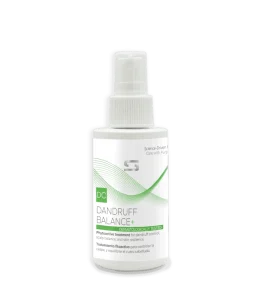
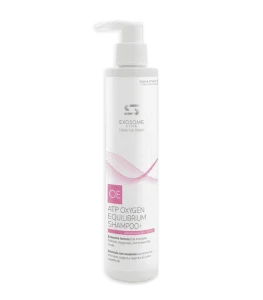
- Wash 3–4 times a week, alternating Hair Loss Prevention Shampoo Plus and Hair Nutrient Royal Jelly Shampoo Plus: massage for 1–2 minutes, leave for 2–3 minutes, then rinse.
- Prepare 1–2 times a week before washing with Dermo Capillary Mask Activated Plus in Micro-Peel mode.
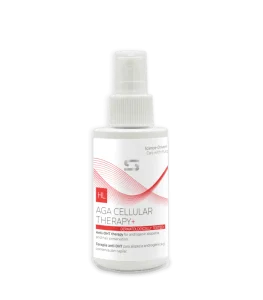
- After a fever or illness: Dixidox Forte Advance Plus, a leave-in serum used morning and evening for 10 days, then once a day or 3–5 times a week for 6–8 weeks.
- Very heavy or reactive shedding: PROSCIENCE+, the “shock” option, on the same 10-day-then-maintenance pattern.
- After having a baby: Royal Jelly Hair Activator Plus, daily or 5 times a week for 8–12 weeks, then 3 times a week.
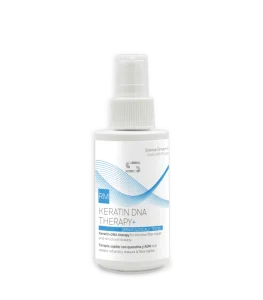
These leave-ins support a healthier-looking scalp and help hair look fuller and denser while the cycle resets. See our scalp serum guide for how to apply them. Browse the full Thinning Hair & Hair Loss Care range, or send three photos to our free online Hair Clinic for a personalised, no-obligation assessment from a trichology specialist.
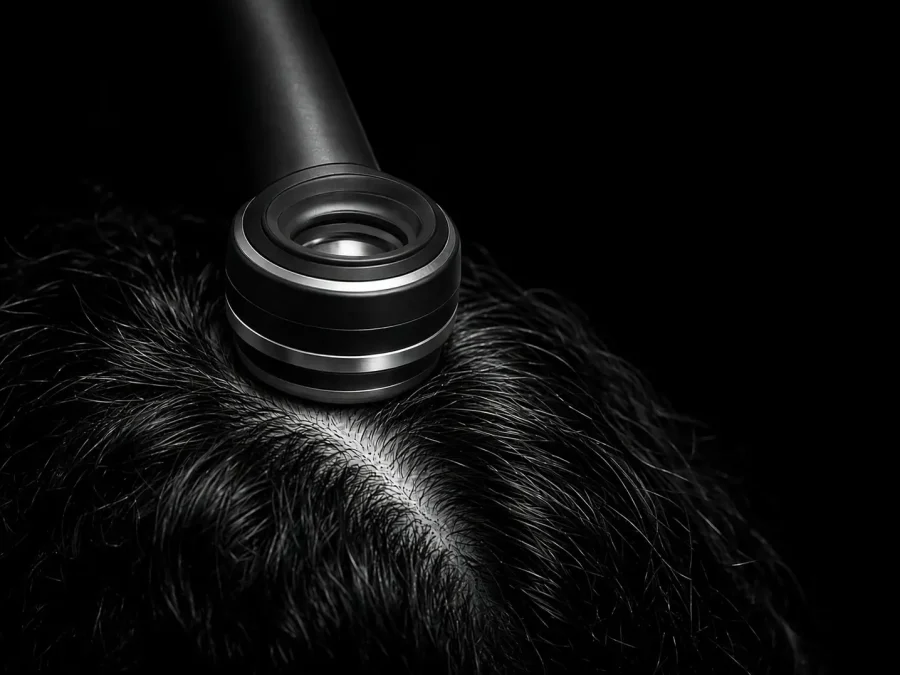
Curious what your scalp is really telling you? SIMONE Hair Scanner reads it from three guided photos and sends your protocol in minutes, free on Android. Get the free hair scanner app
When to see your GP
Speak to your GP or a dermatologist if:
- shedding is still heavy after six months, or keeps coming back;
- you have no idea what triggered it;
- hair is coming out in patches, or your eyebrows, eyelashes or body hair are affected;
- your scalp is red, scaly, painful or scarred;
- you also feel tired, cold, short of breath or notice changes in weight or periods;
- your parting or crown is becoming steadily wider.
For a wider overview of the different types of hair loss, read Hair Loss Explained.
Your questions answered
What is telogen effluvium?
Telogen effluvium is a temporary increase in hair shedding across the whole scalp. A trigger such as illness, childbirth, stress or a crash diet pushes many growing hairs into the resting phase at once, and they fall out around two to three months later.
Is telogen effluvium permanent?
Usually not. The follicles are not damaged, so once the trigger has passed the shedding normally settles within about six months and hair gradually returns to its usual fullness over the following months. Shedding that lasts longer than six months should be checked by a GP.
What is the difference between telogen effluvium and androgenetic alopecia?
Telogen effluvium causes sudden, diffuse shedding after a trigger and usually settles. Androgenetic alopecia develops gradually in a pattern – the crown, parting or temples – with hairs becoming finer over time, and tends to be long-term. The two can occur together.
Is there a shampoo for telogen effluvium?
No shampoo can switch off telogen effluvium, because it is driven by the hair cycle. A gentle, balancing shampoo keeps the scalp clean and comfortable, and a lightweight formula helps shedding hair look fuller and denser while it recovers.
Can stress cause hair to fall out?
Yes. A period of significant emotional or physical stress is one of the most common triggers of telogen effluvium. The shedding usually appears two to three months after the stressful event, which is why the link is often missed.
Should I stop washing my hair if it is shedding?
No. The hairs you see when washing have already been released and would have fallen anyway. Gentle, regular washing with lukewarm water keeps the scalp healthy-looking and does not make telogen effluvium worse.
Sources
- NHS. Hair loss.
- DermNet. Telogen effluvium.
- British Association of Dermatologists. Telogen effluvium – patient information leaflet.
- Malkud S. Telogen effluvium: a review. J Clin Diagn Res. 2015;9(9):WE01–WE03.
- Headington JT. Telogen effluvium. New concepts and review. Arch Dermatol. 1993;129(3):356–363.
SIMONE TRICHOLOGY products are dermocosmetics and are not intended to diagnose, treat or prevent any medical condition. If your hair loss is sudden, patchy or worrying you, please speak to your GP or a dermatologist.