
The quick answer: yes, low iron can contribute to hair loss. When your iron stores (measured as ferritin) run low, the body protects vital organs first and the hair follicles – some of the busiest cells you have – can be pushed into their resting phase early. The result is usually diffuse shedding all over the scalp, often two to three months after the stores dropped, rather than a bald patch. It is usually temporary: once your GP has confirmed the deficiency, found the cause and helped you top your stores back up, shedding tends to settle over the following months. In the meantime, a gentle, consistent scalp routine helps your hair look fuller and feel stronger.
Over the past few weeks my inbox has filled with one phrase: “ferritin face”. The TikTok trend links pale skin, dark circles and thinning hair to low iron, and it has been covered by the BBC, the Guardian, British Vogue and ELLE UK. The trend has a point – iron deficiency is common and often missed in women – but you cannot diagnose it from a mirror, or from your hairbrush. This guide explains how iron affects your hair, who is most at risk, which tests to ask your GP for and how to look after your scalp and hair while your levels recover. If the trend is what brought you here, start with our article on what “ferritin face” gets right and wrong about your hair.
How iron affects your hair
Iron is essential for making haemoglobin, the protein in red blood cells that carries oxygen around the body. Your body cannot make iron, so it relies on food, and it keeps a reserve in a storage protein called ferritin. A ferritin blood test is, in effect, a look at the size of that reserve.
Iron deficiency develops in stages. First the stores (ferritin) fall; only later, if the shortfall continues, does haemoglobin drop and anaemia appear. That matters for hair, because you can have low ferritin and a normal haemoglobin – iron-deficient but not anaemic – and still notice symptoms, including shedding. The consultant haematologist quoted by BBC News put it simply: you can have no stored iron while still maintaining your haemoglobin.
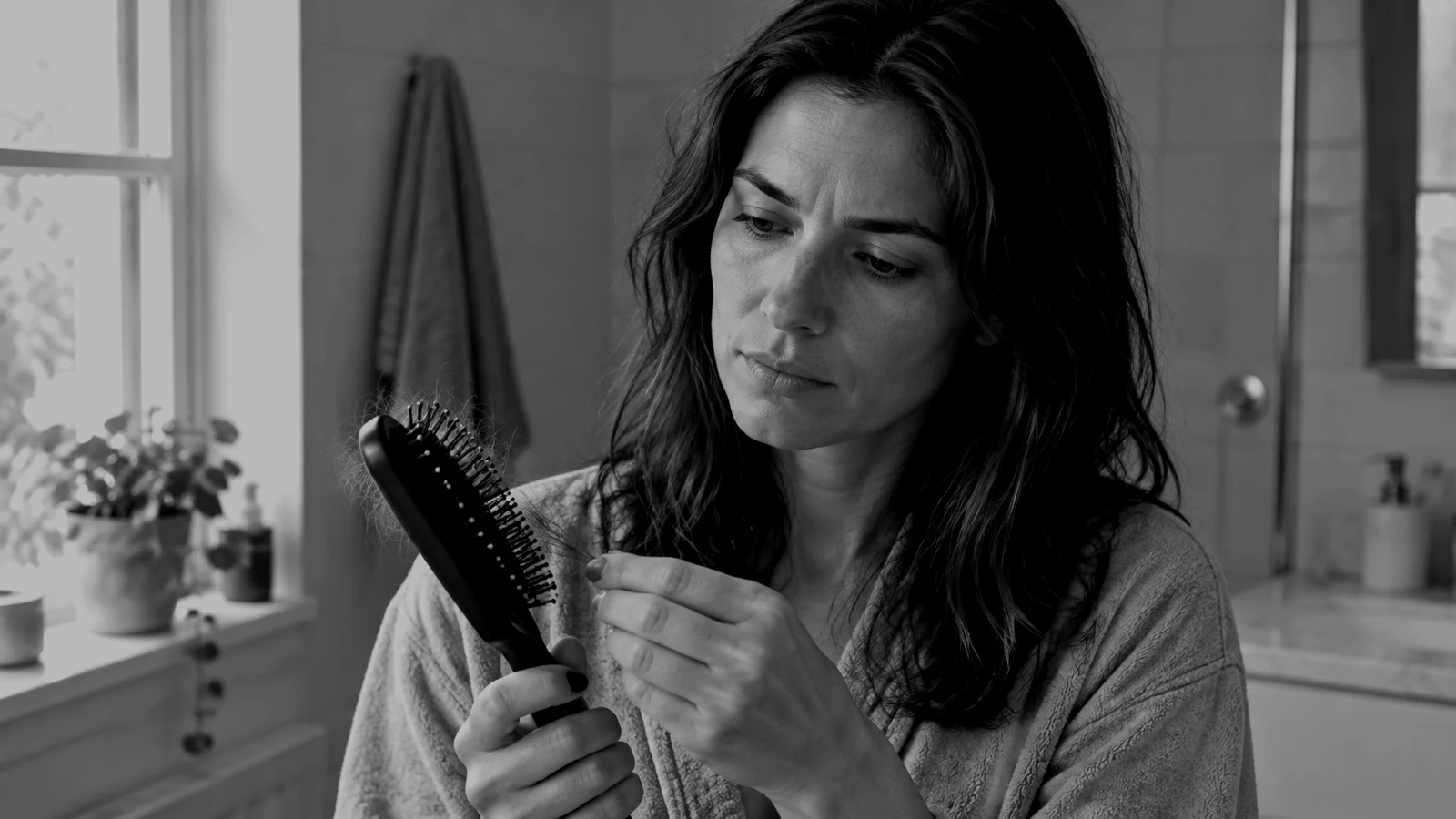
Hair follicles divide very quickly, so they need a steady supply of oxygen and nutrients. When supplies are short, the body prioritises the heart, brain and muscles; hair is not essential for survival, so it is one of the first places a shortfall can show. More follicles than usual switch from the growing phase (anagen) into the resting phase (telogen), and roughly two to three months later those resting hairs are released. This reactive shedding is called telogen effluvium, and low iron is one of its recognised triggers. The NHS lists iron deficiency among the causes of temporary hair loss, and includes noticing more hair coming out when brushing or washing among the less common symptoms of iron deficiency anaemia.
The research is not perfectly tidy. Reviews in the Journal of the American Academy of Dermatology and Dermatology and Therapy describe the link between low ferritin and hair loss as debated, with studies using very different cut-offs. But smaller studies keep finding the same pattern: in a 2025 study of 100 women, those with telogen effluvium had a mean ferritin of 24.3 ng/mL compared with 44.8 ng/mL in women without it. In clinic, low iron is one of the first things I want ruled out when someone describes sudden, all-over shedding.
What iron-related shedding looks like
It helps to know what you are looking at, because three very different problems can all end with “my hair is thinner”.
| Feature | Shedding linked to low iron | Pattern thinning | Patchy hair loss |
|---|---|---|---|
| Where | All over the scalp; ponytail feels thinner | Widening parting, crown or temples | Round or oval bald patches |
| How it starts | Often fairly suddenly, with many hairs in the shower and brush | Gradually, over years | Often suddenly, sometimes noticed by a hairdresser |
| What the shed hairs look like | Full-length hairs, many with a small white bulb at the root | Hairs become finer and shorter over time | Short, broken hairs at the edge of the patch |
| Other clues | Tiredness, breathlessness, heavy periods, a restricted diet | Family history | Sometimes nail pitting; can follow stress |
| Outlook | Usually temporary once iron is back up | Progressive; needs its own long-term plan | Variable; needs a medical diagnosis |
They can overlap. A long spell of low iron can make underlying pattern thinning look more obvious, and some people have both at once. Our guide to hair shedding vs hair loss goes into the difference in more detail. As a reference point, the NHS says it is normal to lose between 50 and 100 hairs a day.
Other signs that your iron may be low
Hair is rarely the only clue. The NHS lists the most common symptoms of iron deficiency anaemia as:
- tiredness and a lack of energy;
- shortness of breath;
- noticeable heartbeats (palpitations);
- paler than usual skin;
- headaches.
Less common signs include a sore tongue, painful cracks at the corners of the mouth, itchiness, spoon-shaped nails, restless legs and cravings for non-food items such as ice. None of these proves anything on its own – which is exactly the problem with diagnosing yourself from a list on social media – but several together are a good reason to book a GP appointment.
Who is most at risk?
- Women with heavy periods. The NHS describes heavy periods and pregnancy as very common causes of iron deficiency anaemia. If your periods are heavy, read heavy periods and hair loss.
- Pregnancy and the months after birth. Iron needs rise in pregnancy, and stores can be low after delivery – one reason postpartum shedding can feel heavier for some women. See also hair loss during pregnancy.
- Vegetarians, vegans and restrictive diets. Plant iron is absorbed less efficiently, and any diet that cuts whole food groups, or calories sharply, can leave gaps.
- Rapid weight loss, including on weight-loss jabs. Small appetites make it harder to eat enough iron and protein. Our guide to protein and iron for hair while losing weight covers this.
- Poor absorption. Coeliac disease and other gut conditions can stop iron being absorbed properly.
- Blood loss from the gut, for example from regular anti-inflammatory painkillers, ulcers or, less commonly, bowel problems that need investigating. This is why men and women after the menopause with low iron should always be assessed by their GP.
- Endurance athletes and frequent blood donors, whose iron needs are higher.
Getting tested: what to ask your GP
If you think low iron might be behind your shedding, ask your GP whether a full blood count (FBC) and a ferritin test are appropriate. The FBC shows whether you are anaemic; ferritin shows your stores. Depending on your symptoms, your GP may also check thyroid function, vitamin B12, folate or vitamin D – our guide to blood tests for hair loss explains each one and how to ask.
UK guidance from NICE says a ferritin below 30 micrograms per litre (µg/L) confirms iron deficiency. The British Society of Gastroenterology adds that below 15 µg/L usually means the stores are empty. Results between 30 and about 50 µg/L are more of a grey zone, especially if you are shedding: one Oxford haematologist told the Guardian that a level below 50 “might be a pointer” of iron deficiency. Ferritin can also read higher than your true stores when you have an infection or inflammation, so your GP may check other markers such as transferrin saturation. Our article on ferritin levels and hair goes through what each range means.
Finding out why your iron is low matters as much as the number itself. Your GP may ask about your periods and diet, and may offer further checks such as a coeliac test or a stool test, depending on your age and symptoms.
What your GP may recommend
If you are diagnosed with iron deficiency anaemia, the NHS says you will usually be advised to take iron tablets for about six months, with repeat blood tests to check your levels are recovering. Common side effects include constipation, stomach pain and feeling sick; taking tablets with or soon after food can help. Whether to give iron when ferritin is low but haemoglobin is normal is a clinical judgement – reviews describe the evidence as limited – so follow your GP’s advice.
Please do not self-prescribe high-dose iron because of a video. The NHS notes that 17 mg a day or less of an iron supplement is unlikely to cause harm, but higher doses can cause side effects and iron overload is possible; iron tablets can be fatal to young children, so keep them out of reach. Self-treating can also delay finding the cause.
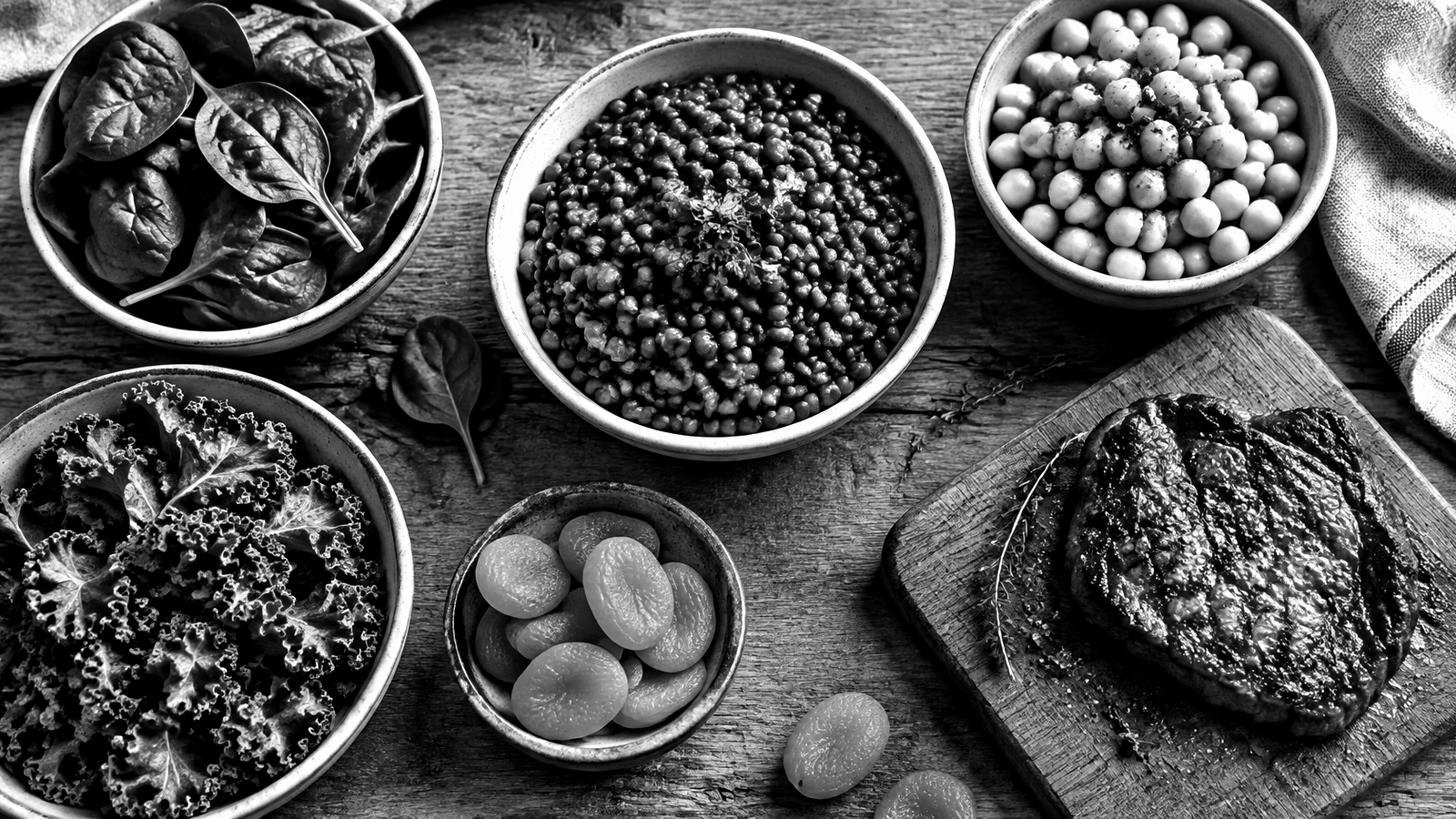
Food helps keep stores topped up. The NHS suggests red meat, beans and pulses, nuts, dried fruit such as apricots, dark-green leafy vegetables like kale and watercress, and fortified breakfast cereals. Tea, coffee and large amounts of milk make it harder to absorb iron, so keep them away from iron-rich meals and from tablets. For context, the NHS says adults need 8.7 mg of iron a day, rising to 14.8 mg for women aged 19 to 49. Our article on how food affects your hair has more ideas.
How long until my hair looks better?
This is the question I hear most, and the honest answer is: longer than you would like. Hair runs on a delay. The hairs you shed today switched into their resting phase around three months ago, and new hairs grow roughly a centimetre a month.
- Months 1–3 of topping up iron: energy often improves first. Shedding may carry on for a while, because many hairs were already in their resting phase.
- Months 3–6: shedding usually starts to ease. Short, fine new hairs often become visible along the parting and hairline.
- Months 6–12: those hairs gain length, and the ponytail gradually feels fuller again.
Trichologist Anabel Kingsley made the same point to ELLE UK: even once iron levels improve, shedding can take several months to settle. These are typical patterns, not guarantees. If heavy shedding continues after your levels are back in range, ask your GP or a trichologist to look for another cause.
Caring for your scalp and hair while your iron recovers
Iron is your GP’s department; your scalp and lengths are ours. Our cosmetic products do not change your iron levels, but a consistent routine keeps the scalp comfortable and balanced, reduces breakage while hair is fragile and helps hair look fuller and denser while your body catches up. Our protocol for diffuse shedding – the kind that nutritional shortfalls such as low iron, pregnancy or menopause can contribute to – has three steps:
| Step | Product | How to use | How often |
|---|---|---|---|
| 1. Prepare | Dermo Capillary Mask Activated Plus (micro-peel mode) | Apply to a dry or slightly damp scalp, massage 1–2 minutes, leave 3–5 minutes (2–3 if your scalp is sensitive), rinse well | 1–2 times a week, before washing |
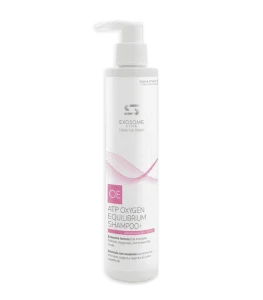
| 2. Wash | Hair Loss Prevention Shampoo Plus alternated with Hair Nutrient Royal Jelly Shampoo Plus | Massage into the scalp 1–2 minutes, leave 2–3 minutes, rinse with lukewarm water | 3–4 times a week |
| 3. Leave-in | Chosen by type of shedding (see below) | Apply to a clean, dry or slightly damp scalp in sections, massage 1–2 minutes until absorbed; do not rinse | Depends on the serum |
Choosing the leave-in
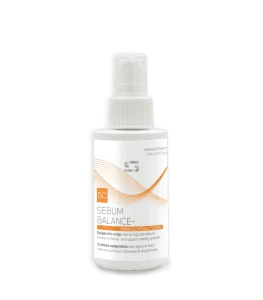
- Sudden, heavy shedding a couple of months after a trigger (illness, a crash diet, a spell of very low iron): Dixidox Forte Advance Plus, a peptide scalp serum – an intensive 10 days morning and evening, then once a day or 3–5 times a week for 6–8 weeks. If shedding is very intense, the protocol’s “shock” option is PROSCIENCE+ on the same schedule.
- Shedding after having a baby or around the menopause: Royal Jelly Hair Activator Plus, daily or 5 times a week for 8–12 weeks (a 2–3 month programme), then 3 times a week to maintain.
- Gradual, all-over loss of density: DNA Hairmax Pro Plus, daily or 5 times a week for 8–12 weeks, then 3 times a week.
Our shampoos, conditioners and masks are made with the TFD System – you can read about it in exosomes for hair. The leave-in serums above have their own formulas and contain no exosomes. Not sure which serum suits you? Our guide to scalp serums compares them all.
Optional extras by hair type
These sit outside the core protocol and are only worth adding if they suit your hair: Volume Therapy Shampoo Plus for fine, flat hair (in place of one of the weekly washes); Hair Loss & Colors Shampoo Plus if your hair is coloured; and Triple Action Conditioner Deep Repair Plus on dry, brittle lengths.
Everyday habits
- Detangle from the ends upwards with a wide-tooth comb, and avoid tight ponytails and buns while hair is shedding.
- Keep the hairdryer on a warm, not hot, setting and use heat protection on the lengths.
- Take monthly photos of your parting in the same light – they show progress far more reliably than counting hairs in the shower.
- Postpone bleaching or perming until shedding has settled.
When it isn’t iron
Low iron is only one possible cause, and a normal ferritin result is useful information too. See your GP promptly, rather than waiting to see if it settles, if you notice:
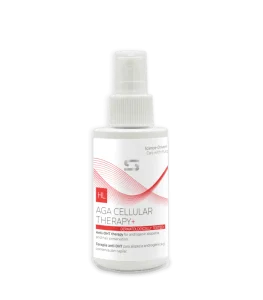
- round or oval bald patches – this may be alopecia areata, which needs a medical diagnosis. Our guide to patchy hair loss explains the options; for scalps with bald patches, our protocols use our best-selling Science Antigen Therapy Plus alongside your doctor’s advice;
- a red, scaly, painful or scarred scalp;
- hair loss with weight changes, feeling cold, a racing heart or very irregular periods, which can point to a thyroid or hormonal cause;
- a widening parting or thinning crown that has developed over years, which is more typical of pattern thinning – see our guide to female hair loss.
If you would like a professional look at your scalp and hair, our hair clinic can assess the pattern of shedding and refer you back to your GP when blood tests or a medical opinion are needed.
More in this series: ferritin face: fact or fiction, ferritin levels and hair, blood tests for hair loss and heavy periods and hair loss.
Your questions answered
Can low iron cause hair loss?
Yes, it can contribute. Low iron stores are a recognised trigger for telogen effluvium, a temporary increase in shedding all over the scalp, and the NHS lists hair loss among the less common symptoms of iron deficiency anaemia. A blood test is the only way to know whether iron is involved.
What does iron deficiency hair loss look like?
Usually diffuse shedding: more hairs than normal in the shower, brush and on the pillow, and a ponytail that feels thinner, without a single bald patch. Shed hairs are typically full length with a small white bulb at the root.
Is hair loss from low iron permanent?
Usually not. The follicles remain, so once iron stores are back up and the cause has been dealt with, shedding tends to settle over several months and new hairs gradually fill in. If heavy shedding continues after your levels recover, ask your GP or a trichologist to look for another cause.
How long does it take for hair to recover after low iron?
Typically several months. Shedding often eases three to six months after iron levels start to improve, and it can take six to twelve months for the ponytail to feel fuller, because new hairs grow about a centimetre a month.
Should I take iron supplements for my hair?
Only if a blood test shows you need them, and at the dose your GP advises. Taking high-dose iron without a diagnosis can cause side effects, can lead to iron overload and may delay finding out why your iron is low.
Can men get iron deficiency hair loss?
Yes, although it is less common. In men, and in women after the menopause, low iron always needs a GP assessment to find the cause, because blood loss from the gut is one of the possibilities.
Sources
- NHS. Iron deficiency anaemia.
- NHS. Iron – vitamins and minerals.
- NHS. Hair loss.
- NICE Clinical Knowledge Summaries. Anaemia – iron deficiency: definition (last revised July 2026).
- Snook J, Bhala N, Beales ILP, et al. British Society of Gastroenterology guidelines for the management of iron deficiency anaemia in adults. Gut 2021;70:2030–2051. doi:10.1136/gutjnl-2021-325210.
- Trost LB, Bergfeld WF, Calogeras E. The diagnosis and treatment of iron deficiency and its potential relationship to hair loss. Journal of the American Academy of Dermatology 2006;54:824–844.
- Almohanna HM, Ahmed AA, Tsatalis JP, Tosti A. The role of vitamins and minerals in hair loss: a review. Dermatology and Therapy 2019;9:51–70.
- Thamotharan N, et al. Assessment of serum ferritin levels in female patients with telogen effluvium. Cureus, December 2025. doi:10.7759/cureus.100249.
- BBC News. Is ‘ferritin face’ a real thing – and can you really spot low iron from looks? 26 October 2026.
- The Guardian. ‘Ferritin face’: are social media claims about iron deficiency fact – or fiction? 28 October 2026.
- ELLE UK. ‘Ferritin face’ is trending, but this is how iron deficiency is affecting hair loss. 1 November 2026.
This article is for general information and does not replace advice from your GP, pharmacist or another health professional. SIMONE TRICHOLOGY products are cosmetics, not medicines: they do not diagnose or correct iron deficiency or any other medical condition, and they do not replace anything your doctor has prescribed. If you are worried about your hair loss, your energy levels or your periods, please speak to your GP.