
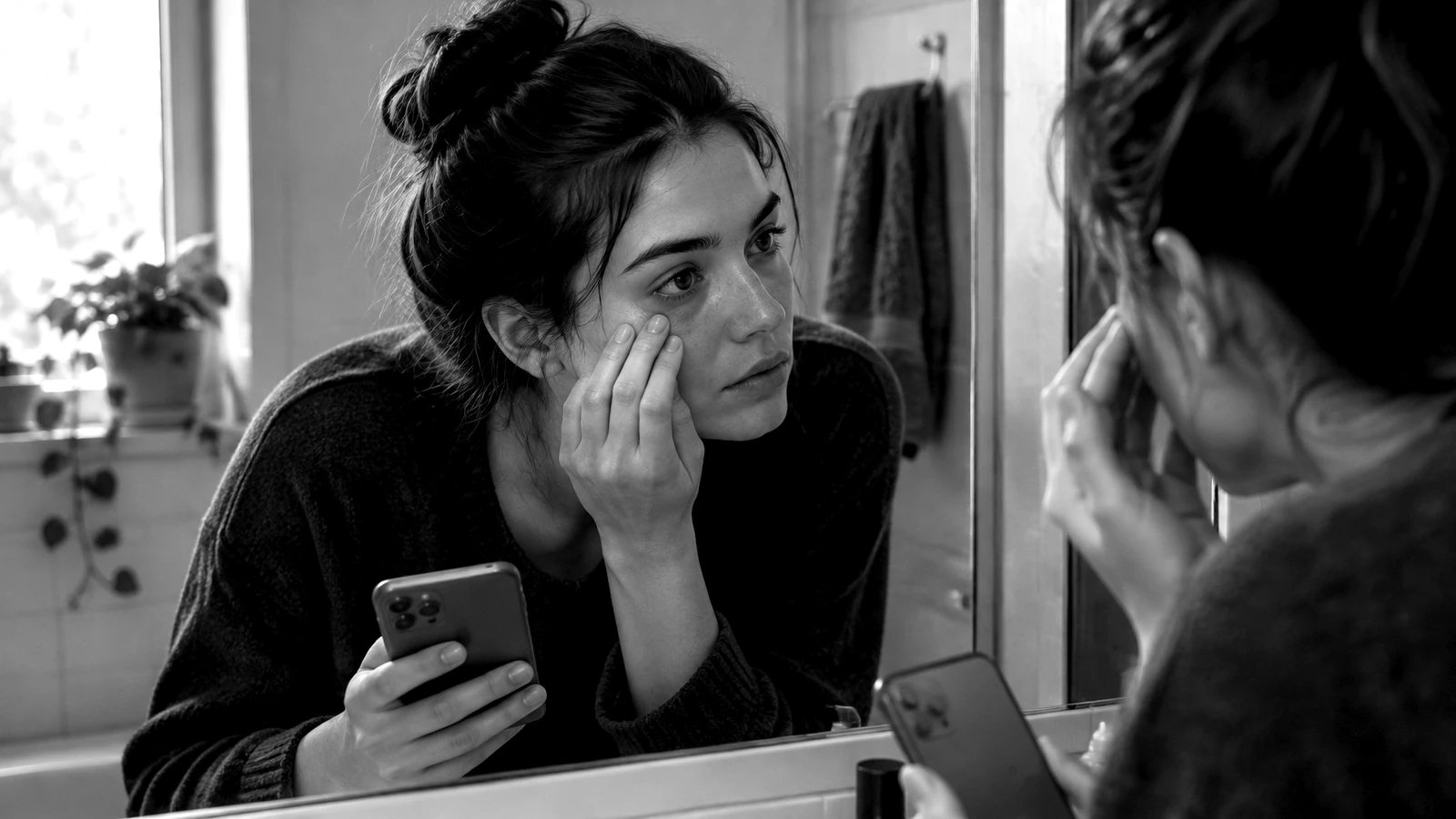
The quick answer: “ferritin face” is a social media label, not a medical diagnosis. It bundles together pale or grey-looking skin, dark circles, dry lips, brittle nails and hair shedding, and blames them on low ferritin – the protein that stores iron. Low iron really can contribute to several of those signs, hair shedding included, and the trend has encouraged many women to get checked. But every one of those signs has other common explanations, and neither your face nor your hairbrush can tell you your ferritin level. If you recognise yourself, the next step is a GP blood test, not a supplement bought after watching a video.
Since late October I have been asked about “ferritin face” almost every day. BBC News, the Guardian, British Vogue, Cosmopolitan UK and The Times have all covered it, and ELLE UK ran a piece specifically on what it means for hair. As a trichologist, I think the trend deserves a fair hearing: it gets some important things right, and some potentially costly things wrong. Here is how to separate the two, with a focus on your hair. For the full picture on iron and shedding, see our main guide to iron deficiency and hair loss.
What is “ferritin face”?
The phrase took off on TikTok and Instagram this autumn. Creators point to a cluster of features – a washed-out complexion, shadows under the eyes, cracked lips, weak nails and thinning or shedding hair – and suggest that together they reveal low iron stores. Some share before-and-after photos taken when their ferritin was low and after it recovered. According to the BBC, the videos have attracted millions of views.
Ferritin is the body’s iron storage protein, so a ferritin blood test is a snapshot of your iron reserves. Doctors interviewed by the BBC and the Guardian agreed on the key point: ferritin face is not a medical diagnosis, and the appearance-based signs are, in the words of one consultant haematologist, “subjective and unreliable”.
What the trend gets right
- Iron deficiency is common and often missed in women. Haematologists quoted by the BBC describe it as common and under-diagnosed, and the NHS names heavy periods and pregnancy as very common causes.
- You can be low in iron without being anaemic. Ferritin falls first; haemoglobin drops later. Someone can have depleted stores and symptoms while their full blood count still looks normal – which is why ferritin is worth asking about.
- Hair shedding is a genuine, recognised sign. The NHS lists noticing more hair coming out when brushing or washing among the less common symptoms of iron deficiency anaemia, and iron deficiency among the causes of temporary hair loss.
- It encourages people to ask questions. As one Oxford haematologist told the Guardian, we need to stop normalising exhaustion in women. If the trend sends someone with heavy periods and constant tiredness to their GP, that is a good outcome.
What the trend gets wrong
- You cannot read ferritin from a face. Pale skin and dark circles are far more often down to genetics, poor sleep, stress, dehydration or lighting than to iron.
- It can miss people. A GP quoted by the BBC pointed out that colour changes can be much harder to see on brown and black skin, so anyone checking themselves against the “look” could be falsely reassured.
- Self-treating has risks. Taking high-dose iron without a diagnosis can cause side effects, and the NHS warns that iron tablets can be fatal to young children. More importantly, topping up iron without knowing why it is low can delay finding the cause, such as heavy periods, coeliac disease or bleeding from the gut.
- It oversimplifies hair loss. Hair shedding has many triggers. Pinning it on ferritin alone can mean overlooking stress, illness, thyroid problems, hormonal changes or pattern thinning, which all need different approaches.

The “ferritin face” checklist, sign by sign
| Sign shared online | Can low iron play a part? | Other common explanations |
|---|---|---|
| Pale or grey-looking skin | Yes – paler than usual skin is a common sign of iron deficiency anaemia (NHS) | Natural skin tone, winter, lighting, tiredness, other illnesses |
| Dark circles | Possibly, through fatigue | Genetics, thin under-eye skin, allergies, poor sleep, ageing |
| Dry or cracked lips | Painful cracks at the corners of the mouth are a less common sign (NHS) | Cold weather, dehydration, lip-licking, other deficiencies |
| Brittle or spoon-shaped nails | Spoon-shaped nails are a less common sign (NHS) | Frequent hand-washing, gel nails, ageing, thyroid problems |
| Hair shedding or a thinner ponytail | Yes – low iron is a recognised trigger for diffuse shedding | Stress, illness, childbirth, weight loss, thyroid changes, menopause, pattern thinning |
Notice the pattern: every sign has a plausible link to iron, and every sign has several more likely explanations. That is precisely why doctors keep repeating the same advice – you need a blood test.
What your hair can – and can’t – tell you
Trichologist Anabel Kingsley told ELLE UK that you cannot tell whether you have low ferritin from the appearance of your hair alone, and I agree. What your hair can do is point you towards the right questions:
- Is the loss all over, or in one place? Iron-related shedding is usually diffuse. A widening parting suggests pattern thinning; a round bald patch needs a GP.
- When did it start? Reactive shedding typically appears two to three months after a trigger. Think back: heavier periods, a pregnancy, a new diet, an illness, a stressful spell?
- What do the shed hairs look like? Full-length hairs with a tiny white bulb are resting hairs being released. Short, snapped pieces point to breakage instead – see hair shedding vs hair loss.
- Do you have other symptoms? Tiredness, breathlessness, palpitations or headaches alongside shedding make a blood test more worthwhile.
What to do instead of self-diagnosing
- Write down your symptoms, when the shedding started and anything that changed around then, including your periods and diet.
- Book a GP appointment and ask whether a full blood count and ferritin test are appropriate. Our guide to blood tests for hair loss explains what else may be checked and how to ask.
- Understand your result. A ferritin result “in range” is not always the end of the story for hair – read ferritin levels and hair before your follow-up.
- Follow the plan you are given, including any repeat blood tests, and ask about the cause. If your periods are heavy, our article on heavy periods and hair loss is worth reading.
- Look after your scalp and hair in the meantime – gently and consistently.
Looking after your hair while you wait
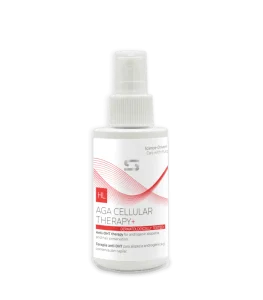
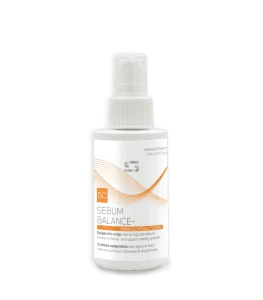
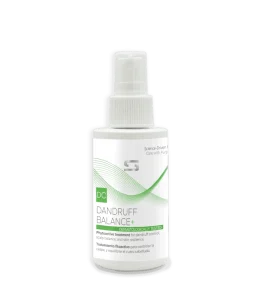
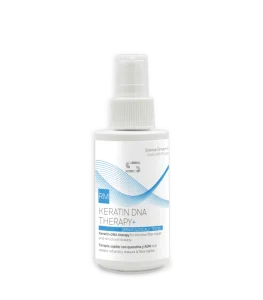
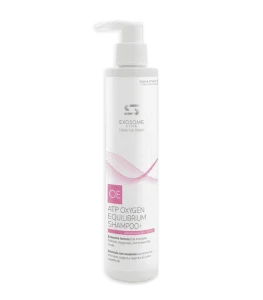
Whatever your blood test shows, a calm, clean scalp and careful handling help hair look its best. In our protocol for diffuse shedding, the scalp is prepared once or twice a week with Dermo Capillary Mask Activated Plus in micro-peel mode (massage 1–2 minutes, leave 3–5 minutes, rinse), then washed 3–4 times a week alternating Hair Loss Prevention Shampoo Plus and Hair Nutrient Royal Jelly Shampoo Plus (massage 1–2 minutes, leave 2–3 minutes, rinse). A leave-in serum is then chosen by type of shedding – for sudden, reactive shedding, Dixidox Forte Advance Plus morning and evening for 10 days, then once a day or 3–5 times a week for 6–8 weeks. The pillar guide explains the alternatives for shedding after pregnancy, around the menopause or with gradual loss of density.
Our shampoos and masks are made with the TFD System; the serums have their own formulas without exosomes. None of these products changes your iron levels – they are there to support a healthier-looking scalp and help hair look fuller and denser while your body does its part.
Your questions answered
What is ferritin face?
A social media term for a group of signs – pale skin, dark circles, dry lips, brittle nails and hair shedding – that creators link to low ferritin, the body’s iron storage protein. It is not a medical diagnosis.
Can you tell if your ferritin is low by looking at your face?
No. Doctors interviewed by the BBC and the Guardian were clear that appearance cannot diagnose iron deficiency. Only a blood test, interpreted alongside your symptoms, can.
Does low ferritin cause hair loss?
It can contribute. Low iron stores are a recognised trigger for diffuse shedding, usually appearing two to three months after the stores fell. Many other things cause the same pattern, so testing is the only way to know.
Should I start taking iron because of ferritin face?
Not without a blood test. Supplementing without a diagnosis can cause side effects, may not be at the right dose if you are genuinely deficient, and can delay finding out why your iron is low.
How long after fixing low iron does hair improve?
Usually several months. Shedding often eases three to six months after iron levels start to improve, and it can take six to twelve months before the hair feels noticeably fuller.
Sources
- BBC News. Is ‘ferritin face’ a real thing – and can you really spot low iron from looks? 26 October 2026.
- The Guardian. ‘Ferritin face’: are social media claims about iron deficiency fact – or fiction? 28 October 2026.
- British Vogue. The internet is obsessed with “ferritin face” – what is it? 28 October 2026.
- ELLE UK. ‘Ferritin face’ is trending, but this is how iron deficiency is affecting hair loss. 1 November 2026.
- NHS. Iron deficiency anaemia.
- NHS. Hair loss.
This article is for general information and does not replace advice from your GP, pharmacist or another health professional. SIMONE TRICHOLOGY products are cosmetics, not medicines: they do not diagnose or correct iron deficiency or any other medical condition. If you are worried about your hair loss or your energy levels, please speak to your GP.