


The quick answer: ferritin shows how much iron your body has in storage. In the UK, NICE says a ferritin below 30 micrograms per litre (µg/L) confirms iron deficiency, and the British Society of Gastroenterology says below 15 µg/L usually means the stores are empty. There is no officially agreed “hair number”: hair studies have used cut-offs anywhere from 15 to 70 µg/L, and some specialists treat 30–50 µg/L as a grey zone when someone is shedding. Laboratory reference ranges can start well below 30, so a result marked “normal” is not always the whole story. Take your result, your symptoms and your hair history to your GP and decide the next step together.
“My GP says my ferritin is normal, so why is my hair still falling out?” is one of the most common questions I am asked – and, judging by Google, one of the most searched. Since “ferritin face” went viral, UK Google searches for ferritin have reached their highest level in at least five years. This article explains what the number means, why different sources quote different targets and what that means for your hair. For the bigger picture, see our guide to iron deficiency and hair loss.
What ferritin actually measures
Three results often get confused:
- Haemoglobin (part of the full blood count) is the oxygen-carrying protein in red blood cells. Low haemoglobin means anaemia.
- Serum iron is the iron circulating in your blood at that moment. It goes up and down with meals, so on its own it says little about your reserves.
- Ferritin is the iron storage protein. Its level in the blood broadly reflects how full your stores are – think of it as a savings account rather than the cash in your pocket.
Stores empty before haemoglobin falls. That is why you can be iron-deficient but not anaemic, and why some people with low ferritin still have a perfectly normal full blood count.
Ferritin ranges: what UK guidance says
| Ferritin result | What UK guidance says | What it may mean if you are shedding |
|---|---|---|
| Below 15 µg/L | Indicates absent iron stores (British Society of Gastroenterology) | A likely contributor; your GP will look for the cause and advise on iron |
| 15–29 µg/L | Below 30 µg/L confirms iron deficiency (NICE CKS) | Still a plausible contributor, even if haemoglobin is normal |
| 30–50 µg/L | Usually not labelled deficient; one Oxford haematologist told the Guardian that below 50 “might be a pointer” | A grey zone – worth discussing with your GP alongside symptoms and other results |
| Above 50 µg/L | Generally adequate stores, unless inflammation is raising the result | Iron is less likely to be the main driver; look at other causes |
These bands are a guide to the conversation with your GP, not a diagnosis. Ferritin is also an “acute phase” protein: it rises with infection, inflammation and some liver conditions, which can hide low stores. In that situation your GP may check transferrin saturation as well. NICE notes that a higher threshold can apply when inflammation is present.
Why “normal” isn’t always the end of the story
Laboratory reference ranges are statistical: they describe the spread of results in a population, and they vary between labs and testing methods. One NHS laboratory, for example, publishes a female ferritin reference range starting at 11 µg/L while noting that, in otherwise well people, a level below 30 µg/L is still considered consistent with iron deficiency. A review in Dermatology and Therapy points out that the lower female reference ranges have been questioned, because the populations used to set them include many premenopausal women who were themselves iron-deficient.
So a result of, say, 20 µg/L could be printed without a flag and still meet NICE’s definition of deficiency. If yours is near the bottom of the range and you have symptoms, it is entirely reasonable to ask your GP: “Is this low enough to explain my shedding?”

Is there a “right” ferritin level for hair?
Not one that experts agree on. Here is what the evidence actually shows:
- A 2019 review of vitamins, minerals and hair loss found that studies have defined iron deficiency using ferritin cut-offs ranging from 15 to under 70 µg/L, and that some authors suggest keeping ferritin above 40 or 70 to help with long-term shedding. These are expert opinions, not trial results.
- A 2025 study of 100 women found a mean ferritin of 24.3 ng/mL (the same as µg/L) in those with telogen effluvium, against 44.8 ng/mL in women without it. Levels below 15 were found in 28% of the women with shedding and in none of the comparison group. It was a small, single-centre study, but its findings fit with earlier work.
- An influential review in the Journal of the American Academy of Dermatology concluded that the evidence was not strong enough to recommend iron for everyone with hair loss and iron deficiency without anaemia – while noting that many clinics test for it anyway, because addressing deficiency seems to help overall care.
You will see much higher “targets” quoted on forums. They come from personal experience and individual practitioners, not UK guidance. In practice I ask clients to treat ferritin as one important piece of the puzzle, to be read by their GP together with haemoglobin, other blood results and their history.
Low ferritin, normal haemoglobin: what happens next?
If you are anaemic, the NHS says iron tablets are usually recommended for about six months, with repeat blood tests to check progress. If your ferritin is low but your haemoglobin is normal, the decision is more individual: your GP may suggest iron, dietary changes or simply a repeat test, and will want to understand the cause. Heavy periods, pregnancy, a restrictive diet, coeliac disease and blood loss from the gut are all possibilities. If your periods are heavy, read heavy periods and hair loss.
A few practical points the NHS makes about iron:
- tea, coffee and large amounts of milk reduce absorption, so keep them away from iron-rich meals and tablets;
- iron-rich foods include red meat, beans and pulses, nuts, dried fruit, dark-green leafy vegetables and fortified cereals;
- an iron supplement of 17 mg a day or less is unlikely to cause harm, but higher doses should be taken only on medical advice.
How long until your hair catches up
Expect your hair to lag behind your blood results. Resting hairs are shed around two to three months after they stop growing, and new hairs grow about a centimetre a month. Many people notice shedding easing three to six months after their levels start to rise, with fuller-looking hair over six to twelve months. If you are still shedding heavily once your ferritin is back up, ask about other causes – our guide to telogen effluvium covers the common triggers, and blood tests for hair loss lists other tests worth discussing.
Supporting your scalp and hair in the meantime
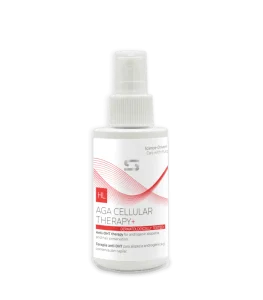
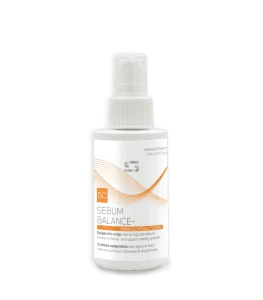
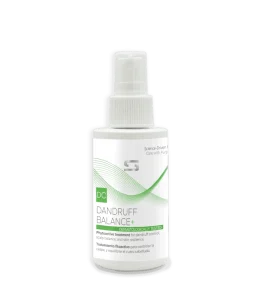
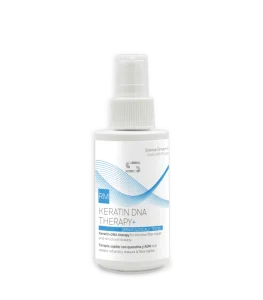
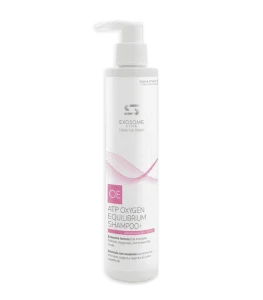
While your iron recovers, our protocol for diffuse shedding keeps the routine simple: Dermo Capillary Mask Activated Plus as a pre-wash micro-peel once or twice a week; Hair Loss Prevention Shampoo Plus alternated with Hair Nutrient Royal Jelly Shampoo Plus 3–4 times a week; and a leave-in chosen by type – Dixidox Forte Advance Plus for sudden, reactive shedding, Royal Jelly Hair Activator Plus after pregnancy or around the menopause (8–12 weeks), or DNA Hairmax Pro Plus for gradual loss of density (8–12 weeks, then 3 times a week). These cosmetic products do not change your ferritin; they help hair look fuller and denser and support a healthier-looking scalp. The shampoos and mask contain the TFD System; the serums do not contain exosomes.
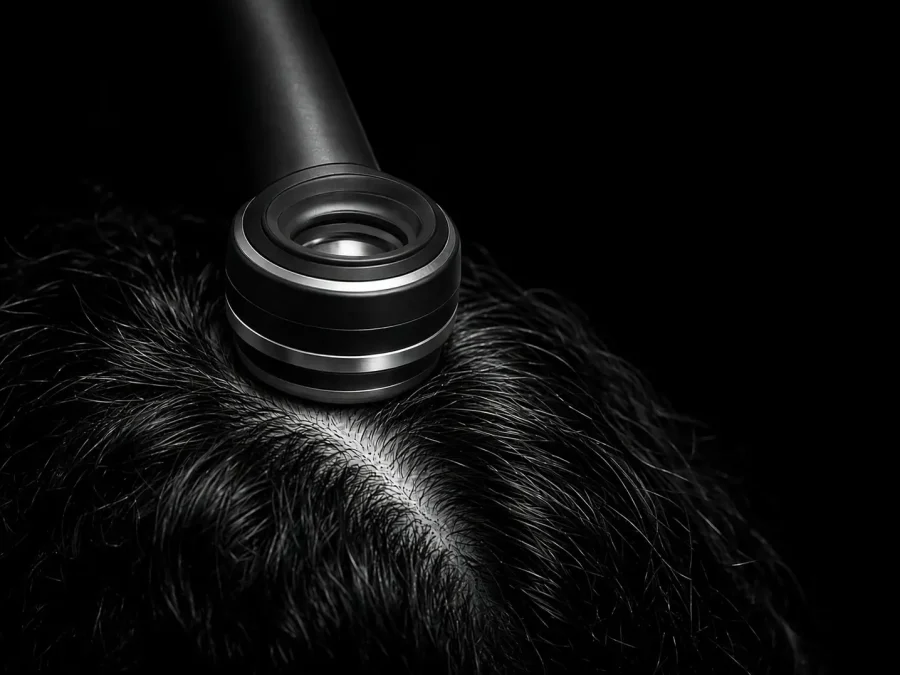
If you would like your scalp and shedding pattern assessed, our hair clinic offers a trichological consultation and will refer you back to your GP where needed. You may also find ferritin face: fact or fiction useful if the trend is what prompted your test.
Your questions answered
What ferritin level causes hair loss?
There is no single agreed level. In the UK a ferritin below 30 µg/L confirms iron deficiency and below 15 µg/L suggests empty stores. Hair studies have used cut-offs from 15 to 70 µg/L, so a result between 30 and 50 is worth discussing with your GP if you are shedding.
Can you have low ferritin with normal haemoglobin?
Yes. Iron stores run down before haemoglobin falls, so you can be iron-deficient without being anaemic. That is why ferritin is often tested alongside a full blood count.
My ferritin is in the normal range – can iron still be the cause?
Possibly, if it is near the bottom of the range or if inflammation is pushing the result up. Reference ranges vary between laboratories, and NICE defines deficiency as below 30 µg/L. Ask your GP how your result fits with your symptoms.
How quickly does ferritin go up?
It depends on the cause, the dose and how well you absorb iron. The NHS says iron tablets for anaemia are usually taken for about six months, with repeat blood tests to check progress, so expect a gradual rise rather than a quick fix.
Is ferritin the same as iron?
No. Ferritin is the protein that stores iron, and its blood level reflects your reserves. Serum iron measures what is circulating at that moment and changes with meals.
Sources
- NICE Clinical Knowledge Summaries. Anaemia – iron deficiency: definition (last revised July 2026).
- Snook J, Bhala N, Beales ILP, et al. British Society of Gastroenterology guidelines for the management of iron deficiency anaemia in adults. Gut 2021;70:2030–2051.
- North Bristol NHS Trust. Summary of changes to haematinics assays.
- Almohanna HM, Ahmed AA, Tsatalis JP, Tosti A. The role of vitamins and minerals in hair loss: a review. Dermatology and Therapy 2019;9:51–70.
- Thamotharan N, et al. Assessment of serum ferritin levels in female patients with telogen effluvium. Cureus, December 2025.
- Trost LB, Bergfeld WF, Calogeras E. The diagnosis and treatment of iron deficiency and its potential relationship to hair loss. Journal of the American Academy of Dermatology 2006;54:824–844.
- NHS. Iron deficiency anaemia and Iron – vitamins and minerals.
- The Guardian. ‘Ferritin face’: are social media claims about iron deficiency fact – or fiction? 28 October 2026.
This article is for general information and does not replace advice from your GP or another health professional. Blood results must always be interpreted by a clinician who knows your history. SIMONE TRICHOLOGY products are cosmetics, not medicines: they do not diagnose or correct iron deficiency or any other medical condition.