
The quick answer: not everyone with hair loss needs blood tests, but they are worth discussing with your GP if your shedding is sudden or heavy, all over the scalp, or comes with other symptoms such as tiredness, heavy periods or weight changes. The tests most often considered are a full blood count, ferritin (iron stores), thyroid function, vitamin B12 and folate and, in some cases, vitamin D, a coeliac test or hormone tests. Your GP will choose what is appropriate for you. Normal results are useful too: they point towards causes such as stress-related shedding or pattern thinning, which need a different plan.
Since the “ferritin face” trend took off, many people have asked me what they should actually say to their GP. Searches for “blood test for hair loss” in the UK come with telling extras – “NHS”, “female”, “price”. This guide explains which tests are commonly considered, what each one shows, how to make the most of your appointment and what to do with the results. Iron is often the first thing people think of, so our guide to iron deficiency and hair loss is a good companion read.
Do you need a blood test for hair loss?
Hair loss has many causes, and not all of them show up in the blood. Pattern thinning, for example, is diagnosed mainly from its appearance and family history, and the NHS points out that losing 50 to 100 hairs a day is normal. Blood tests are most useful when your history suggests an internal trigger. Ask your GP whether they are appropriate if:
- shedding started suddenly and is all over the scalp;
- you also feel unusually tired, breathless or cold, or have palpitations;
- your periods are heavy, irregular or have changed – see heavy periods and hair loss;
- you have recently been pregnant, been ill, lost weight quickly (including on weight-loss jabs) or follow a restricted diet;
- you have gut symptoms such as bloating or diarrhoea, which can go with poor absorption.
The tests commonly considered
| Test | What it checks | Why it can matter for hair |
|---|---|---|
| Full blood count (FBC) | Red and white blood cells and haemoglobin; shows anaemia | Anaemia from low iron, B12 or folate can go with shedding |
| Ferritin | Your iron stores | Low stores are a recognised trigger for diffuse shedding, even without anaemia |
| Thyroid function (usually TSH first) | Whether your thyroid is under- or overactive | The NHS lists dry hair or hair loss among the symptoms of an underactive thyroid |
| Vitamin B12 and folate | Two vitamins needed to make healthy red blood cells | Deficiency causes anaemia and tiredness, and is worth ruling out with shedding |
| Vitamin D | Vitamin D level | Between October and early March we do not make enough vitamin D from sunlight (NHS); your GP may check it if symptoms suggest a deficiency |
| Coeliac serology | Antibodies linked with coeliac disease | Coeliac disease can cause iron, B12 or folate deficiency anaemia |
| Hormone tests | For example, testosterone and related hormones | Considered if there are signs of PCOS, such as irregular periods, acne or extra facial hair |
Your GP may also check inflammation markers, because inflammation can push ferritin up and mask low iron stores. Our article on ferritin levels and hair explains how to read that result.
How to ask your GP
A short, specific summary helps your GP decide quickly. Before the appointment:
- Note when the shedding started and what happened in the three months before – illness, a new medicine, a pregnancy, a stressful event, a change in diet.
- Describe the pattern: all over, or a widening parting, receding temples or a bald patch? Bring two or three photos of your parting taken a few weeks apart.
- List other symptoms, even if they seem unrelated: tiredness, breathlessness, feeling cold, heavy or irregular periods, gut symptoms.
- Mention your diet and supplements, including vegan or vegetarian eating and anything you already take.
- Ask directly: “Would a full blood count and ferritin be appropriate, and is there anything else you would check given my symptoms?”

Private and home tests
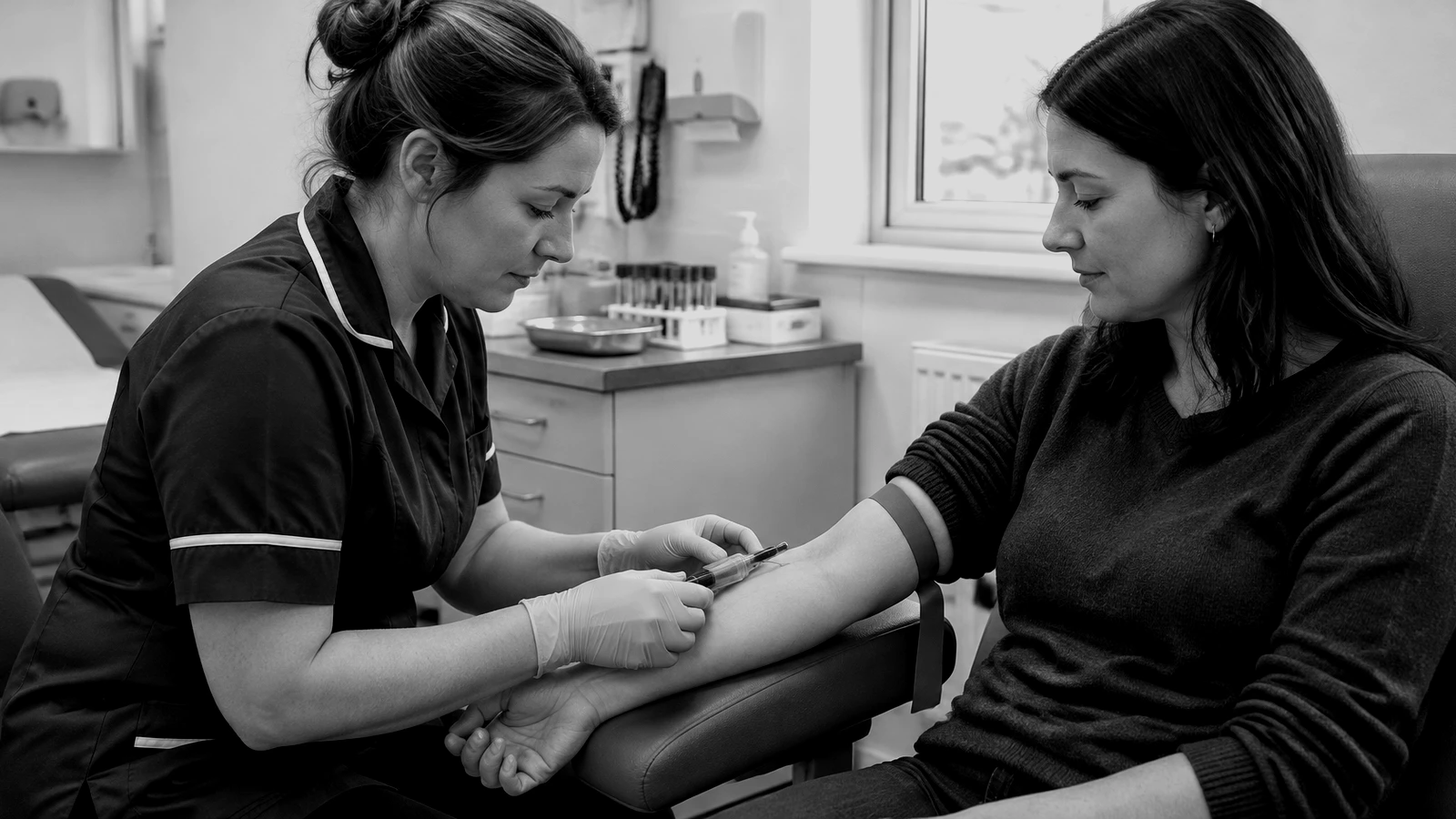
Private blood tests, including finger-prick kits you post back, are widely available. Prices and test bundles vary, and we have not reviewed them. If you go private, three tips: choose a provider that uses an accredited laboratory, make sure ferritin and a full blood count are included rather than serum iron alone, and take the results to your GP – especially if anything is low, because the cause still needs to be found. A single number out of context can mislead, in both directions.
Making sense of your results
- Something is low. Your GP will advise on correcting it and on finding the cause. Expect your hair to lag behind your blood results by several months; shedding often eases three to six months after levels improve.
- Everything is normal. That is good news, and it narrows things down. Common causes with normal bloods include reactive shedding after stress or illness (see telogen effluvium), pattern thinning (see female hair loss) and hair breakage rather than true loss (see hair shedding vs hair loss).
- Borderline results. Ferritin between about 30 and 50 µg/L, or a vitamin level near the bottom of the range, is worth discussing rather than ignoring – particularly if you have symptoms.
Where a trichologist fits in
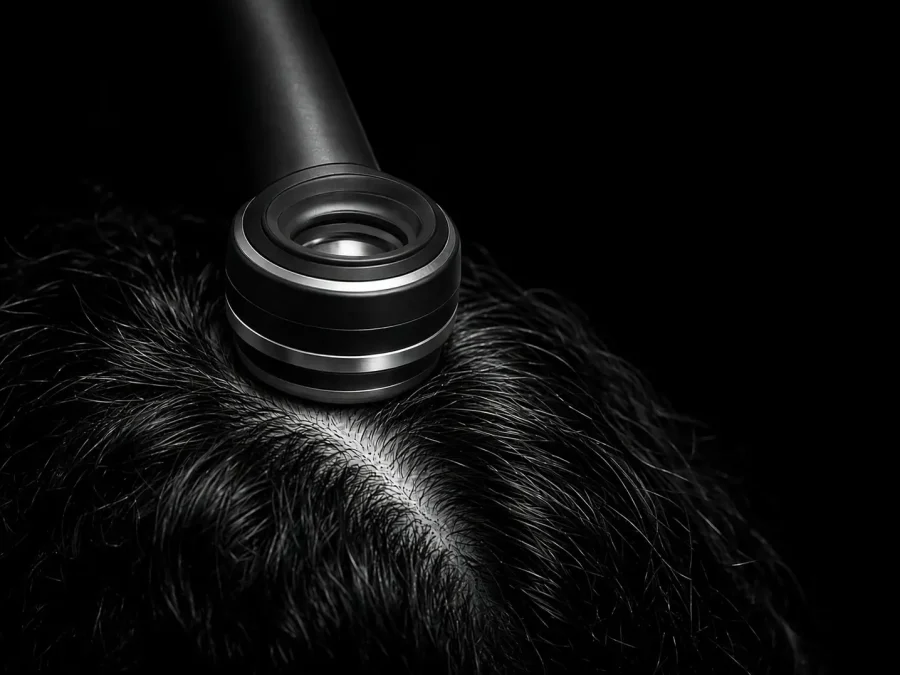
A GP looks at your health as a whole; a trichologist looks closely at your scalp and hair. In clinic we examine the scalp, look at shed hairs and use magnification (trichoscopy) to see whether follicles are producing finer hairs, whether there is breakage, and whether the scalp itself is irritated – our article on hair analysis explains what that involves. If what we see suggests a medical cause, we will send you back to your GP with a clear description of what we found. You can book through our hair clinic.
Looking after your hair while you wait for answers
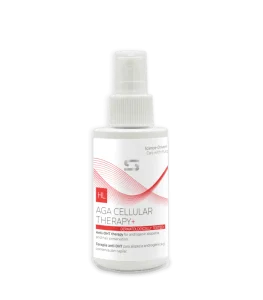
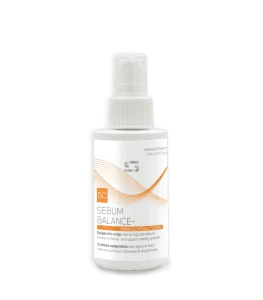
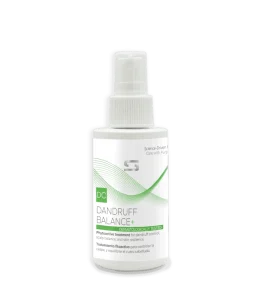
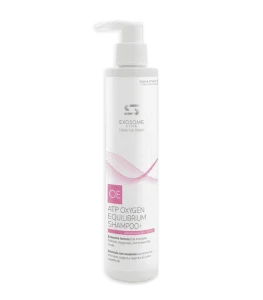
Waiting for an appointment or results is frustrating, but there is plenty you can do for your scalp and hair. Our protocol for diffuse shedding prepares the scalp once or twice a week with Dermo Capillary Mask Activated Plus (micro-peel mode: massage 1–2 minutes, leave 3–5, rinse), then alternates Hair Loss Prevention Shampoo Plus and Hair Nutrient Royal Jelly Shampoo Plus 3–4 times a week. For sudden, reactive shedding the leave-in is Dixidox Forte Advance Plus – morning and evening for 10 days, then once a day or 3–5 times a week for 6–8 weeks – with PROSCIENCE+ as the option for very intense shedding. The shampoos and mask contain the TFD System; the leave-in serums have their own formulas without exosomes. Together they help hair look fuller and denser and support a healthier-looking scalp – they do not replace the tests.
More in this series: ferritin face: fact or fiction and ferritin levels and hair.
Your questions answered
What blood tests should I ask for if my hair is falling out?
Ask your GP whether a full blood count and ferritin are appropriate. Depending on your symptoms, thyroid function, vitamin B12, folate, vitamin D, a coeliac test or hormone tests may also be considered.
Can I get a blood test for hair loss on the NHS?
If your GP thinks there may be an underlying cause, such as iron deficiency or a thyroid problem, they can arrange blood tests. Not everyone with hair loss needs them, so explain your symptoms and history clearly.
Can a blood test show why my hair is thinning?
Sometimes. Blood tests can reveal low iron, thyroid problems or vitamin deficiencies. They cannot diagnose pattern thinning or stress-related shedding, which are identified from the history and the appearance of the scalp and hair.
Does thyroid disease cause hair loss?
It can. The NHS lists dry hair or hair loss among the symptoms of an underactive thyroid. A thyroid blood test is often considered when shedding comes with tiredness, weight changes or feeling cold.
My blood tests are normal – what next?
Normal results help narrow things down. Reactive shedding after stress or illness, pattern thinning and breakage are common causes with normal bloods. A trichologist can examine your scalp and hair to help work out which applies to you.
Sources
- NHS. Hair loss.
- NHS. Iron deficiency anaemia.
- NHS. Underactive thyroid (hypothyroidism): symptoms.
- NHS. Vitamin B12 or folate deficiency anaemia.
- NHS. Vitamin D.
- NHS. Coeliac disease.
- NICE Clinical Knowledge Summaries. Anaemia – iron deficiency: definition (last revised July 2026).
- Trost LB, Bergfeld WF, Calogeras E. The diagnosis and treatment of iron deficiency and its potential relationship to hair loss. Journal of the American Academy of Dermatology 2006;54:824–844.
This article is for general information and does not replace advice from your GP or another health professional. Which tests are appropriate depends on your history and examination. SIMONE TRICHOLOGY products are cosmetics, not medicines: they do not diagnose or correct any medical condition.