


The quick answer: seborrhoeic dermatitis does not usually cause permanent hair loss, but it can play a part in three ways: hairs snapping from constant scratching, a temporary wave of shedding a couple of months after a bad flare, and making existing pattern thinning look more obvious. In most people, once the scalp is calmer the shedding settles over the following months. Patchy hair loss, scarring, pustules or a scalp that is painful are different and need a medical opinion.
“Is my seborrhoeic dermatitis making my hair fall out?” “Will it thicken up again?” “Is it permanent?” These are among the questions people most often type into Google alongside seborrhoeic dermatitis in the UK – and they are among the first things my clients ask too. This article explains what the evidence says, how to tell what kind of shedding you have and how to look after both your scalp and your hair. If you are new to the condition, start with our guide to seborrhoeic dermatitis on the scalp.
Can seborrhoeic dermatitis cause hair loss?
It can contribute. A 2023 review in Skin Appendage Disorders describes scalp seborrhoeic dermatitis as the most common cause of an itchy scalp and notes that it can be associated with telogen effluvium – a temporary increase in shedding – and with androgenetic (pattern) thinning progressing. Our own protocols describe something similar: when excess sebum, a disturbed skin barrier and low-grade inflammation around the follicle come together, the growth cycle can be affected and shedding can increase.
What it does not usually do is cause scarring or permanent bald patches. Seborrhoeic dermatitis affects the surface of the scalp; the follicles are generally intact, which is why the outlook for the hair is usually good once the scalp is under control.
Three ways a flaky, itchy scalp can affect your hair
| What’s happening | What you notice | Typical timing | Outlook |
|---|---|---|---|
| Scratching and breakage | Short, broken hairs and a rough, frizzy feel in itchy areas; more hairs in the comb | During the flare | Settles when the itch is under control and you stop scratching |
| Reactive shedding (telogen effluvium) | More hairs than usual on the pillow, in the shower and in the brush, all over the head | Often 2–3 months after a bad flare, illness or stressful period | Usually temporary; shedding settles over the following months |
| Pattern thinning made more visible | A widening parting, thinner crown or receding temples | Gradual, over years | Pattern thinning is genetic and progressive; a calmer scalp helps, but it needs its own plan |
Both seborrhoeic dermatitis and pattern thinning are common, so the two often turn up together – and it can be hard to tell which is responsible for what. Our guide to hair shedding vs hair loss explains the difference between normal and excessive shedding, and our article on telogen effluvium goes into reactive shedding in detail.
Is the hair loss permanent?
For the first two types – breakage and reactive shedding – it is usually temporary. The follicles are still there and, once the trigger has passed, the normal cycle resumes. Because hair grows roughly a centimetre a month, it takes a few months before new hairs reach a length where you can see them, so patience matters.
Pattern thinning is different. It is driven by genetics and hormones and tends to progress slowly without its own dedicated routine. If your parting is widening or your crown is thinner, read our article on PROALOPEX+ for pattern thinning or book a consultation.
Signs your hair loss may be something else
See your GP, and do not wait to see if it settles, if you notice:
- round or oval bald patches, especially if the skin is smooth – this may be alopecia areata;
- a red or silvery rash with broken hairs or patches, particularly in children – the NHS lists scalp ringworm as a lookalike that needs a GP’s diagnosis;
- pustules, crusting, scarring or a shiny scalp where hair has gone;
- a painful, burning or tender scalp, or hair loss with other symptoms such as weight loss or tiredness.
More generally, the NHS advises seeing a GP whenever you are worried about your hair loss.
Looking after your scalp first
The most useful thing you can do for your hair is to get the scalp calmer and keep it that way. That starts with any medicated shampoo or lotion your pharmacist or GP recommends, combined with a consistent cosmetic routine. Our protocol for scalps prone to seborrhoeic dermatitis is:
| Step | Product | How often |
|---|---|---|
| 1. Prepare | Dermo Capillary Mask Activated Plus (micro-peel mode): massage 1–2 minutes, leave 3–5 minutes (2–3 if sensitive), rinse | 1–2 times a week, before washing |
| 2. Wash | Dandruff & Scalp Care Shampoo Plus alternated with Sebum Control Shampoo Plus: massage 1–2 minutes, leave 2–3 minutes, rinse | At least 3 times a week |
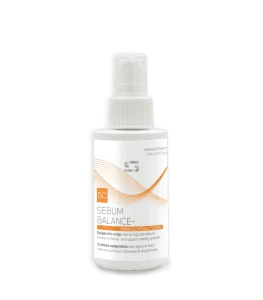
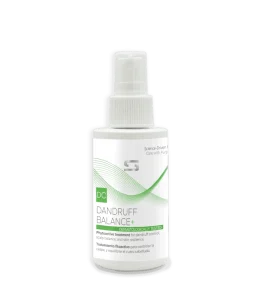
| 3. Leave-in | Sebum Balance Plus (day 1) and Dandruff Balance Plus (day 4–5), applied in sections and massaged in; no rinsing | Twice a week for 90 days, then maintenance |
Wash gently: work the shampoo into the scalp with your fingertips rather than your nails, and comb out with a wide-tooth comb from the ends upwards to avoid adding breakage to shedding.
If shedding is a problem too
When the scalp has calmed down but shedding is still noticeable, our protocol for reactive, all-over shedding uses Dixidox Forte Advance Plus, a peptide leave-in serum for the scalp: an intensive 10 days applied morning and evening, then once a day or 3–5 times a week for 6–8 weeks. For very marked shedding, the protocol’s “shock” alternative is PROSCIENCE+ on the same schedule. Both are designed to help hair look fuller and denser and to support a healthier-looking scalp; ask us how to fit them alongside your scalp routine so you are not overloading a sensitive scalp.
If you have been diagnosed with patchy hair loss (alopecia areata) by your GP, our best-selling Science Antigen Therapy Plus is the product in our protocols for scalps with bald patches – read our guide to alopecia areata first. Our article on exosomes for hair explains the TFD System used in our shampoos, conditioners and masks; the leave-in serums mentioned here have their own formulas and do not contain exosomes.
More in this series: scalp psoriasis vs seborrhoeic dermatitis if you are not sure what is causing your flakes, seborrhoeic dermatitis in winter for the cold-weather months, and seborrhoeic dermatitis triggers to help you spot what sets off your flares.
A realistic timeline
- Weeks 1–4: itch and flaking ease as the scalp routine and any medicated products take effect. Scratching – and so breakage – reduces.
- Months 1–3: reactive shedding, if you have it, often continues for a while because the hairs were already in their resting phase before the flare settled.
- Months 3–6: shedding usually returns to normal and short new hairs become visible along the parting and hairline.
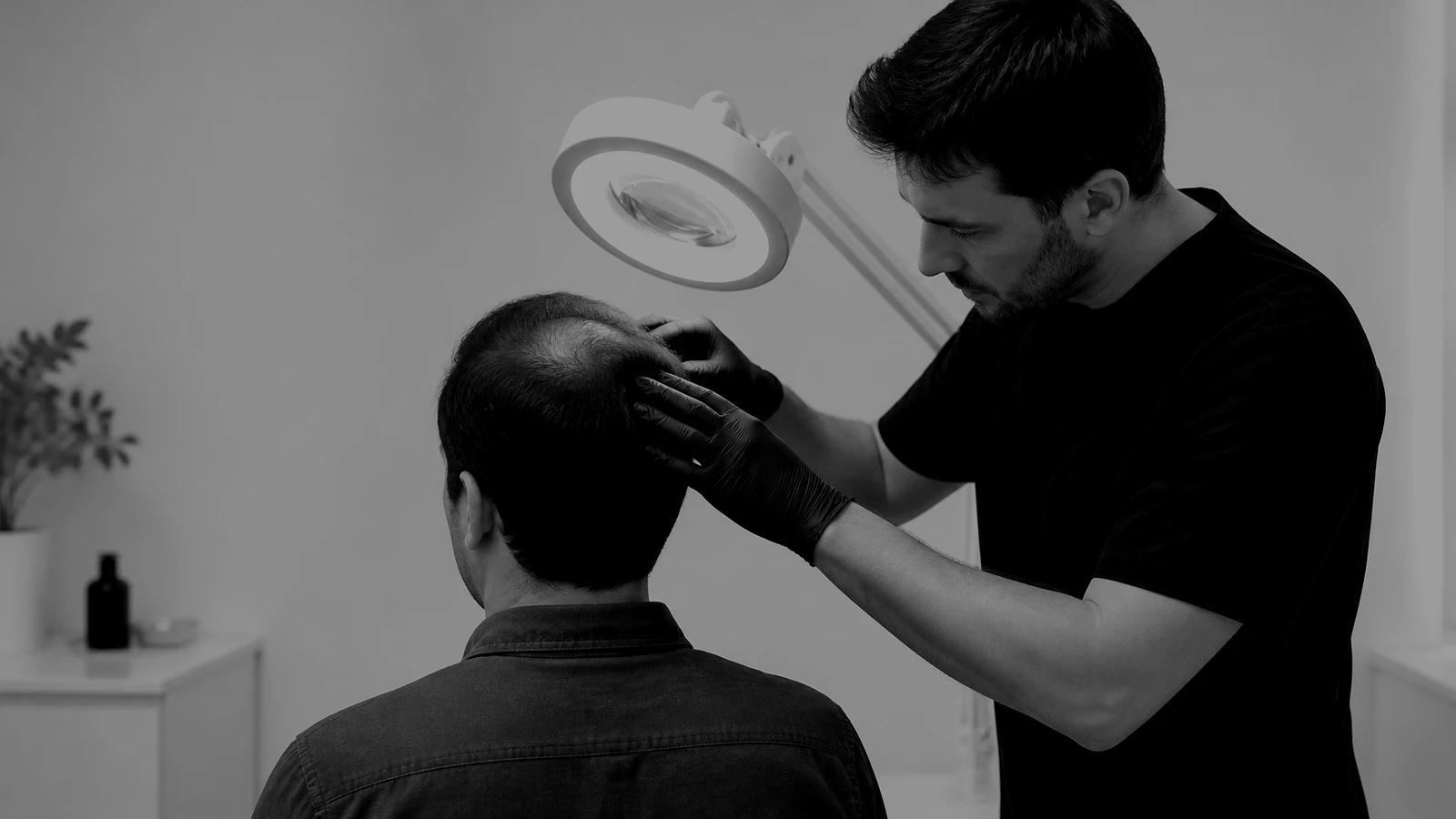
These are typical patterns rather than guarantees. If shedding is still heavy after three months of a calm scalp, it is worth a professional look – our hair clinic can assess both scalp and hair, and refer you back to your GP if needed.
Your questions answered
Can seborrhoeic dermatitis cause hair loss?
It can contribute, mainly through breakage from scratching and a temporary wave of shedding after a bad flare. It can also make existing pattern thinning look more obvious. It does not usually cause scarring or permanent bald patches.
Is hair loss from seborrhoeic dermatitis permanent?
Usually not. Breakage and reactive shedding are temporary because the follicles are intact. Pattern thinning is the exception: it is genetic and progressive and needs its own plan.
Will my hair thicken up again after a flare?
In most people, yes, over several months. Shedding often continues for a while after the scalp has calmed and then settles; new hairs then take a few months to reach a visible length.
How long does seborrhoeic dermatitis hair shedding last?
Reactive shedding often begins two to three months after a bad flare or stressful period and usually settles over the following months. If heavy shedding lasts more than three months after your scalp has calmed, see a GP or trichologist.
Should I wash my hair less if it is falling out?
No. Washing does not cause hair to fall out; it only removes hairs that were already loose. For a scalp prone to seborrhoeic dermatitis, washing regularly with a suitable shampoo is part of keeping it calm.
Sources
- Scalp seborrheic dermatitis: what we know so far. Skin Appendage Disorders, June 2023. doi:10.1159/000529854.
- British Association of Dermatologists. Seborrhoeic dermatitis: patient information leaflet (last updated January 2023).
- NHS. Dandruff.
- NHS. Hair loss.
- Naldi L, Kyrgidis A, Tiplica GS, et al. Practical recommendations for seborrheic dermatitis management: an expert consensus. Journal of the European Academy of Dermatology and Venereology, first published 21 April 2026. doi:10.1111/jdv.70444.
This article is for general information and does not replace advice from your GP, pharmacist or dermatologist. SIMONE TRICHOLOGY products are cosmetics, not medicines: they are not intended to diagnose or address seborrhoeic dermatitis, psoriasis or any other medical condition, and they do not replace anything your doctor has prescribed. If your scalp is red, sore, weeping or not settling, or you notice patchy hair loss, please speak to your GP or a dermatologist.