

The quick answer: seborrhoeic dermatitis (also spelt seborrheic dermatitis) is a common, long-term inflammatory skin condition that loves the oily parts of the body – and the scalp most of all. On the scalp it shows up as greasy or yellowish flakes, itching and, in some people, pink or red patches along the hairline, behind the ears and around the eyebrows. It is not contagious and it is not caused by poor hygiene. There is no permanent fix, so the aim is control: medicated shampoos from your pharmacist or GP when it flares, and a consistent, gentle scalp-care routine to keep the scalp comfortable in between. Cold, dry weather, stress and tiredness are classic triggers, which is why so many people notice it getting worse from November onwards.
Every winter my clinic diary fills up with the same story: “I thought it was dandruff, but this anti-dandruff shampoo isn’t doing much, my scalp is sore and the flakes are back within days.” Very often, what they are describing is seborrhoeic dermatitis. This guide explains what it is, how to recognise it, why it flares and how to look after a scalp that is prone to it – alongside, not instead of, the advice of your GP or pharmacist.
What is seborrhoeic dermatitis?
The name tells you a lot. “Seborrhoeic” refers to the sebaceous, or oil-rich, areas of skin – the scalp, face, centre of the chest and upper back. “Dermatitis” means the skin is inflamed: red, itchy and flaky. According to the British Association of Dermatologists (BAD), it is slightly more common in men than in women and often appears between the ages of 30 and 40, although it can start at any age. Babies get a short-lived version called cradle cap, which is a different story and usually settles on its own.
Three things seem to come together:
- Malassezia yeast. This yeast lives harmlessly on everyone’s skin and feeds on the fats in sebum. In seborrhoeic dermatitis it is found in higher amounts.
- A reactive skin barrier. Current thinking, summarised by the BAD, is that a weaker barrier and a heightened sensitivity to oleic acid – a by-product of the yeast breaking down sebum – set off inflammation in some people.
- Your own make-up. There seems to be a genetic tendency, and flares are linked with stress, tiredness and cold, dry weather.
Dandruff sits at the mild end of the same spectrum. The BAD describes dandruff as the scalp form of seborrhoeic dermatitis and estimates that it affects almost half of all adults. When the scalp also becomes red, sore, very itchy or crusted, it has moved beyond everyday dandruff. Our guide to what dandruff is and why it happens covers the milder end in more detail.
The yeast involved is not the same as the one behind thrush, and it is not something you have caught from anyone. That is also why “just wash more” rarely solves it on its own.
Signs of seborrhoeic dermatitis on the scalp
It looks different from person to person, and on different skin tones, but these are the signs I look for in clinic:
- flakes that are yellowish, greasy or slightly sticky rather than fine and powdery, often clinging to the scalp or the base of the hair;
- itching, sometimes intense, that tends to be worse when the scalp has not been washed for a while;
- pink or red patches on lighter skin, or patches that look darker or lighter than the surrounding skin on brown and black skin, with soft scale on top;
- a scalp that feels oily yet irritated at the same time;
- the same flaking and redness in other oily zones: eyebrows, the creases beside the nose, behind and inside the ears, the beard area and the centre of the chest.
The edges of the patches are usually soft and blurred. Thick, silvery plaques with very sharp edges point more towards psoriasis, which is why the next section matters.
Seborrhoeic dermatitis, dandruff, psoriasis or dry scalp?
These four are confused all the time, and the right routine depends on which one you have. Here is the short version; for a fuller side-by-side, read scalp psoriasis vs seborrhoeic dermatitis.
| Flakes | Scalp | Other clues | |
|---|---|---|---|
| Dry scalp | Small, white, powdery; fall easily | Tight and dry, little or no redness | Often worse with hot water, harsh shampoo and central heating |
| Dandruff | White or slightly oily flakes | Mild itch, no obvious redness | Comes and goes; often improves with an anti-dandruff shampoo within a few weeks |
| Seborrhoeic dermatitis | Yellowish, greasy, sticky | Itchy, with pink or red (or darker) patches and soft edges | Eyebrows, sides of the nose, ears and beard area may flake too |
| Scalp psoriasis | Thick, silvery-white scale | Raised plaques with sharp edges; can feel sore | Patches on elbows, knees or behind the ears; pitted or dented nails |
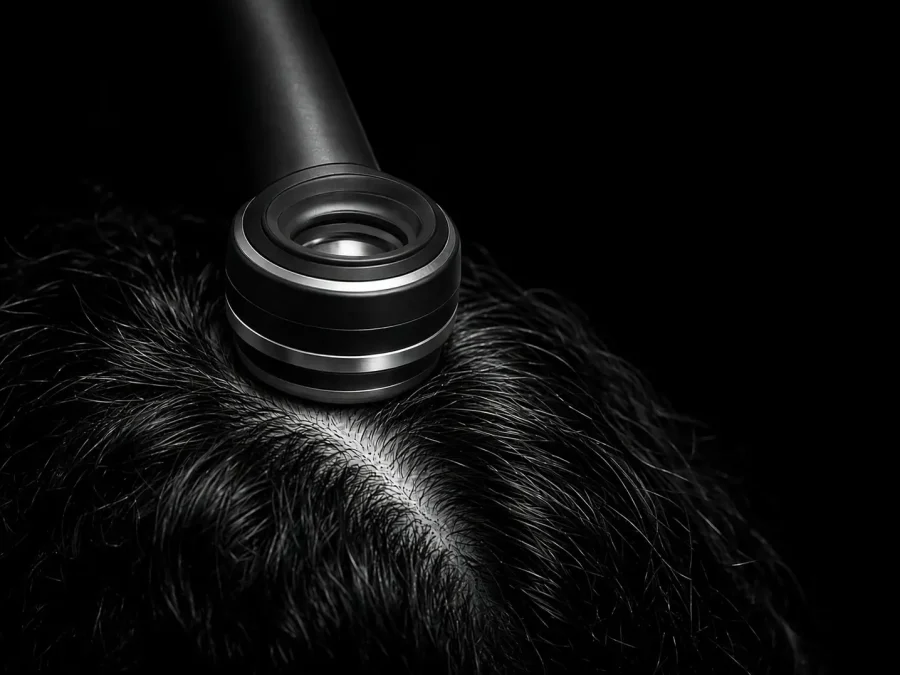
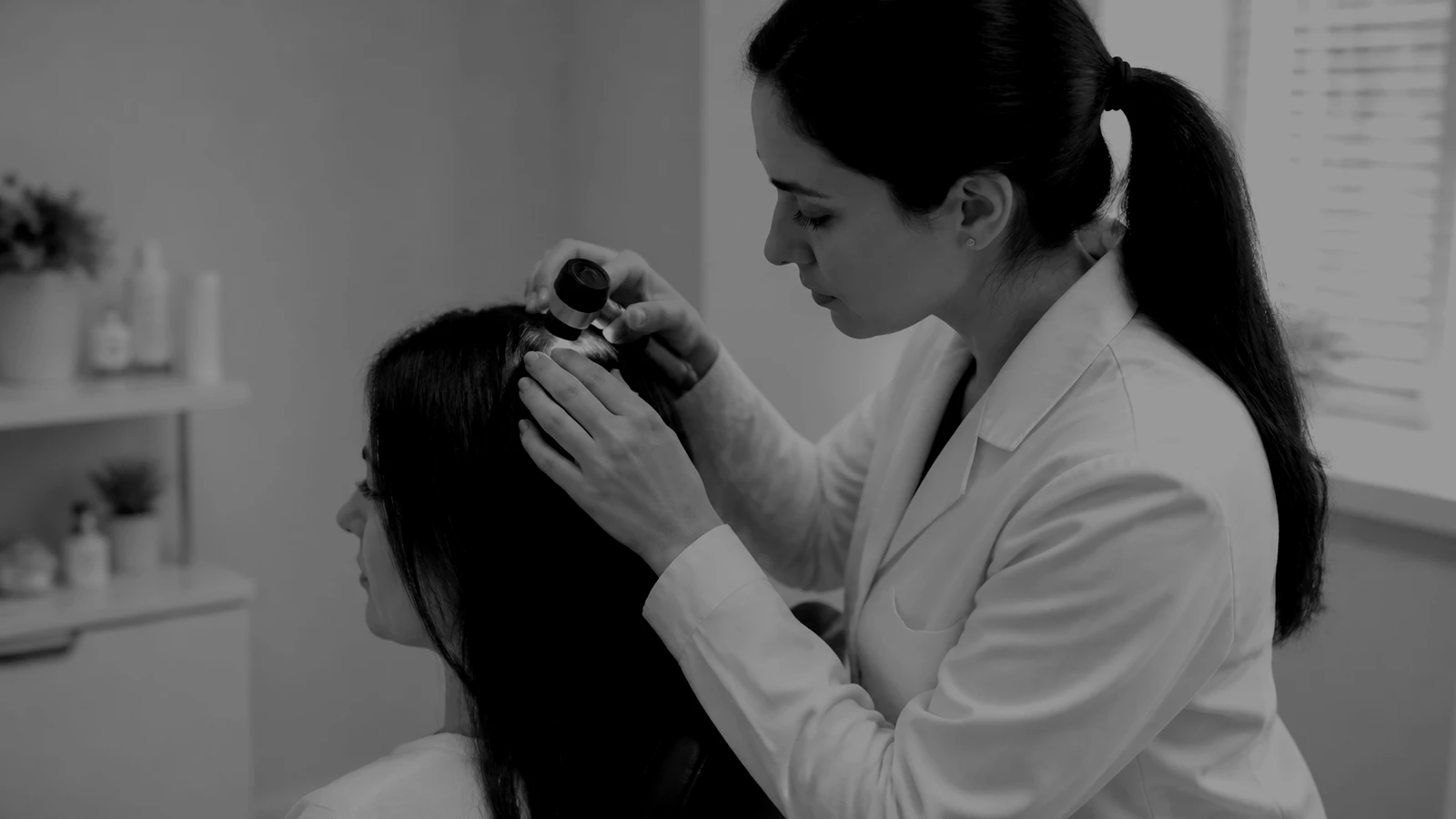
If you are not sure, that is completely normal – even professionals sometimes need a closer look with a dermatoscope, and dermatologists occasionally take skin samples to tell them apart. The NHS advises seeing your GP if an anti-dandruff shampoo has not helped after at least four weeks, or if your scalp is very itchy, red or swollen.
Why does it flare?
Seborrhoeic dermatitis tends to come and go. In a 2026 European expert consensus, 33 dermatologists agreed strongly that stress and psychological conditions such as depression are linked with more severe disease, and most agreed that alcohol is associated with severity too. The BAD lists tiredness, stress and cold, dry weather as common flare triggers. In practice, the triggers I hear about most are:
- winter – cold air outside, dry central heating inside, hats and less daylight (see why seborrhoeic dermatitis flares in winter);
- stress and poor sleep – exams, deadlines, a new baby, bereavement;
- washing less often – sebum and scale build up and the yeast has more to feed on;
- oils and heavy products on the scalp – a 2026 review on curly and coily hair notes that pomades and oils used to mask flakes often make seborrhoeic dermatitis worse;
- very hot showers and harsh shampoos that leave the barrier irritated.
We go through each of these – including what the evidence does and doesn’t say about diet – in our guide to seborrhoeic dermatitis triggers.
Is it contagious? Is it autoimmune?
Neither. You cannot catch seborrhoeic dermatitis from someone or pass it on through towels, hairbrushes or pillows. It is also not classed as an autoimmune disease, although the immune system is involved: the redness and itch come from the skin over-reacting to the yeast and its by-products. It is more common and can be more severe in people whose immune system is weakened, for example by HIV, and in people with some neurological conditions such as Parkinson’s disease – which is why a sudden, severe or widespread case is always worth showing to your GP.
Can it go away for good?
Honestly, no. The BAD is clear that there is currently no permanent fix: the aim is to clear the skin or keep it calm, and it can flare up again when you stop. Our own trichology protocols take the same approach – the goal is control and stability, not miracles. The good news is that most people can get to a point where flare-ups are rarer, milder and easier to settle.
What your pharmacist or GP may suggest
For many people, the first step is a medicated shampoo from the pharmacy. The NHS suggests looking for ingredients such as ketoconazole, coal tar or salicylic acid and giving it up to four weeks; the BAD also mentions zinc pyrithione and selenium sulphide, and recommends massaging the shampoo in and leaving it for 5–10 minutes before rinsing. Once the scalp is clear, the BAD suggests carrying on with an antifungal shampoo once or twice a week to keep flares at bay.
If the scalp is very inflamed, a GP may prescribe a short course of a steroid scalp lotion, or a preparation to soften thick scale. The 2026 European consensus recommends combining an antifungal with an anti-inflammatory approach, both for flares and for maintenance, and moving to tablets only in extensive or stubborn cases. A US algorithm published on 1 November 2026 in the Journal of Drugs in Dermatology also puts roflumilast foam – a steroid-free foam approved for seborrhoeic dermatitis in the US since December 2023 – among the first options; as far as we could find, it is not licensed for this use in the UK at the time of writing, so ask your GP or dermatologist what is available to you.
These are medicines, and your GP or pharmacist is the right person to advise on them. What we can help with is everything around them: the daily and weekly scalp care that keeps the scalp clean, balanced and comfortable.
A cosmetic scalp-care routine for a scalp prone to seborrhoeic dermatitis
Our protocol for scalps prone to seborrhoeic dermatitis follows three steps – prepare, wash, then a leave-in – and runs for 90 days before moving to maintenance. It is designed to keep flaking and greasiness in check and the scalp feeling calmer, and it sits alongside anything your doctor has prescribed. If you are using a medicated shampoo, ask your pharmacist or GP how best to fit it in with your routine.
| Step | Product | How often | How to use it |
|---|---|---|---|
| 1. Prepare | Dermo Capillary Mask Activated Plus (micro-peel mode) | 1–2 times a week, before washing | Apply to a dry or slightly damp scalp, massage for 1–2 minutes and leave for 3–5 minutes (2–3 minutes if your scalp is sensitive). Rinse well, then shampoo. |
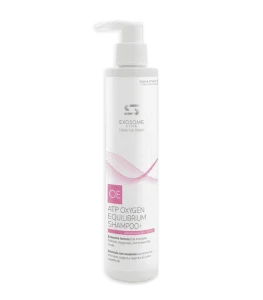
| 2. Wash | Dandruff & Scalp Care Shampoo Plus alternated with Sebum Control Shampoo Plus | At least 3 times a week | Massage into the scalp for 1–2 minutes, leave for 2–3 minutes and rinse. Concentrate on the scalp rather than the lengths. |
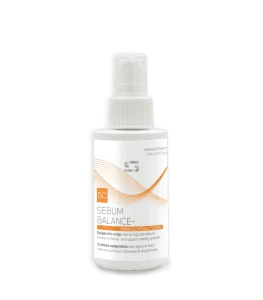
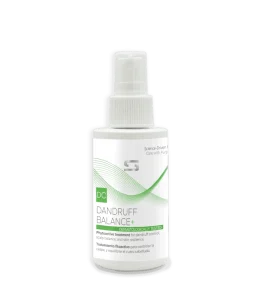
| 3. Leave-in | Sebum Balance Plus and Dandruff Balance Plus | Twice a week for 90 days, then maintenance if needed | On a clean, dry or slightly damp scalp, apply section by section and massage for 1–2 minutes until absorbed. Do not rinse. A typical week: Sebum Balance Plus on day 1, Dandruff Balance Plus on day 4 or 5. |
The shampoos and the mask use the TFD System system, in which biomimetic exosomes help deliver the active ingredients around the follicle and release them gradually (more in our guide to exosomes for hair). The two leave-in concentrates have their own formulas and do not contain exosomes.
A few optional extras, depending on your hair type, can sit on top of this routine:
- Fine, flat hair: on wash days when you want more body, Volume Therapy Shampoo Plus can be used as a second wash on the lengths.
- Dry or damaged lengths: Triple Action Conditioner Deep Repair Plus on the mid-lengths and ends only, keeping it off the scalp.
- Coloured hair: Hair Loss & Colors Shampoo Plus as an occasional alternative wash for coloured hair.
These are extras, not part of the core routine. The full range for flaky and oily scalps is in our Clinical Dandruff & Microbiome Care and Seborrhoeic Control & Scalp Biobalance collections.
Everyday habits that make a difference
- Keep the water lukewarm. Our protocols advise keeping wash water below about 37 °C; very hot water irritates an already reactive scalp.
- Don’t stretch the time between washes. For an oily, flaky scalp, regular washing helps. Our guide to how often to wash your hair explains how to find your rhythm.
- Dry the roots properly. Going to bed or out into the cold with a damp scalp is a common complaint among people with seborrhoeic dermatitis. Use a cool or warm (not hot) dryer setting on the roots.
- Keep oils off the scalp. Hair oils can be lovely on dry ends, but on a scalp prone to seborrhoeic dermatitis they give the yeast more to feed on.
- Don’t pick or scrape the scale. Let the mask and shampoo loosen it; scratching makes the itch worse and can leave the skin sore.
- Look after the basics: sleep, stress and regular meals. They sound dull, but they are among the most consistent triggers.
Does seborrhoeic dermatitis cause hair loss?
It can play a part. A 2023 review in Skin Appendage Disorders notes that scalp seborrhoeic dermatitis is the most common cause of an itchy scalp and can be linked with a period of increased shedding, and with pattern thinning becoming more noticeable. Hair that falls out during or after a bad flare is usually temporary. Patchy hair loss, scarring or pustules are different and need a medical opinion. We explain the difference in seborrhoeic dermatitis and hair loss.
When to see your GP
See your GP or a pharmacist if:
- you have used an anti-dandruff shampoo for at least four weeks and your scalp is no better;
- your scalp is red, swollen, weeping, crusted or painful;
- you have flaky, itchy patches on your face or body as well;
- you notice patchy hair loss, or a red or silvery rash with broken hairs;
- it appeared suddenly and severely, or is spreading quickly.
If you would like a closer look at what is going on, our hair clinic offers trichology consultations and scalp analysis, and can refer you back to your GP where needed.
Your questions answered
Is seborrhoeic dermatitis contagious?
No. You cannot catch it from someone or spread it through towels, hairbrushes or pillows. It is caused by the skin over-reacting to a yeast that lives on everyone, combined with oiliness and individual tendency.
Is seborrhoeic dermatitis an autoimmune disease?
No, it is not classed as autoimmune. The immune system is involved in the redness and itch, but the reaction is to a normal skin yeast and its by-products rather than an attack on your own tissue. It can be more severe when the immune system is weakened, so sudden or severe cases should be seen by a GP.
Can seborrhoeic dermatitis go away for good?
There is currently no permanent fix. It is a long-term condition that comes and goes, so the aim is to clear flares and keep the scalp calm in between with medicated products when needed and a consistent, gentle scalp-care routine.
What is the best shampoo for seborrhoeic dermatitis on the scalp?
For flares, pharmacists usually suggest a medicated shampoo with ketoconazole, coal tar, salicylic acid, zinc pyrithione or selenium sulphide, left on for a few minutes before rinsing. For everyday care, our protocol alternates Dandruff & Scalp Care Shampoo Plus and Sebum Control Shampoo Plus at least three times a week, with a weekly scalp micro-peel and two leave-in concentrates.
Is seborrhoeic dermatitis the same as dandruff?
They are on the same spectrum. The British Association of Dermatologists describes dandruff as the scalp form of seborrhoeic dermatitis. When there is also redness, soreness, greasy yellow scale or flaking on the face, it has gone beyond everyday dandruff.
Does seborrhoeic dermatitis cause hair loss?
It can contribute to a temporary period of increased shedding, especially after a bad, itchy flare, and can make existing pattern thinning more noticeable. Patchy hair loss, scarring or pustules need a medical opinion.
Sources
- British Association of Dermatologists. Seborrhoeic dermatitis: patient information leaflet (last updated January 2023).
- NHS. Dandruff.
- NHS. Psoriasis.
- Naldi L, Kyrgidis A, Tiplica GS, et al. Practical recommendations for seborrheic dermatitis management: an expert consensus. Journal of the European Academy of Dermatology and Venereology, first published 21 April 2026. doi:10.1111/jdv.70444.
- Journal of Drugs in Dermatology. Practical algorithm for seborrheic dermatitis in adults and adolescents: new evidence and consensus expert opinion, published online 1 November 2026.
- Arcutis Biotherapeutics. US FDA approval of roflumilast foam 0.3% for seborrheic dermatitis, 15 December 2023 (company announcement).
- High curl pattern hair and scalp care considerations to mitigate seborrheic dermatitis. Journal of Cosmetic Dermatology, 17 April 2026. doi:10.1111/jocd.70842.
- Scalp seborrheic dermatitis: what we know so far. Skin Appendage Disorders, June 2023. doi:10.1159/000529854.
This article is for general information and does not replace advice from your GP, pharmacist or dermatologist. SIMONE TRICHOLOGY products are cosmetics, not medicines: they are not intended to diagnose or address seborrhoeic dermatitis, psoriasis or any other medical condition, and they do not replace anything your doctor has prescribed. If your scalp is red, sore, weeping or not settling, or you notice patchy hair loss, please speak to your GP or a dermatologist.