

The quick answer: seborrhoeic dermatitis often gets worse in winter because cold, dry air outside and central heating inside dry out and irritate the skin barrier, hats and scarves trap heat and sweat, hot showers feel tempting, and darker days bring more tiredness and stress – all recognised flare triggers. The British Association of Dermatologists lists cold, dry weather among the common triggers. A winter-proof routine means washing regularly in lukewarm water, using a weekly scalp micro-peel and a balancing leave-in, drying your roots properly, keeping oils off the scalp and seeing your pharmacist or GP early if a flare does not settle.
If your scalp seems to switch on as soon as the clocks go back, you are in good company. UK Google searches for “dry scalp” follow a clear seasonal curve, with interest highest in the colder months: in the 12 months to early November 2026, searches peaked in March 2026 and were already back at around three-quarters of that peak by the first week of November (Google Trends, United Kingdom; relative index, not absolute numbers). This guide explains why winter is hard on a scalp prone to seborrhoeic dermatitis and how to adapt your routine. For the basics of the condition itself, start with our guide to seborrhoeic dermatitis on the scalp.
Why seborrhoeic dermatitis flares in winter
- Cold, dry air and central heating. Moving between freezing streets and warm, dry rooms strips moisture from the skin barrier. Our trichology protocols note seasonal flares especially in dry weather and with abrupt changes in temperature.
- Hot showers. Very hot water feels wonderful in January but irritates a reactive scalp. Our protocols recommend keeping wash water below about 37 °C.
- Hats, hoods and scarves. They trap warmth and sweat against the scalp for hours, and wool can rub and irritate the hairline.
- Washing less often. When it is cold and dark, it is tempting to stretch the time between washes – but sebum and scale then build up, giving Malassezia yeast more to feed on.
- Tiredness and stress. Short days, busy Decembers and winter bugs all add up. The BAD lists tiredness and stress as flare triggers, and a 2026 European expert consensus agreed strongly that stress is linked with more severe seborrhoeic dermatitis.
- Less sunlight. Some people notice their skin is calmer in summer. Phototherapy is sometimes used by dermatologists, but this is a specialist, prescribed option – please don’t try to replicate it with sunbeds.
A winter routine for a scalp prone to seborrhoeic dermatitis
This is our standard protocol for seborrhoeic dermatitis, laid out across a typical winter week. Keep using any medicated shampoo your pharmacist or GP has recommended, and ask them how best to fit it in.
| Day | What to do |
|---|---|
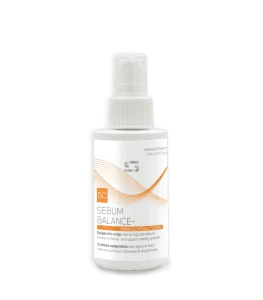
| Monday | Micro-peel with Dermo Capillary Mask Activated Plus (massage 1–2 minutes, leave 3–5, or 2–3 if sensitive), rinse, then wash with Dandruff & Scalp Care Shampoo Plus. Dry the roots, then apply Sebum Balance Plus in sections. |
| Wednesday | Wash with Sebum Control Shampoo Plus: massage 1–2 minutes, leave 2–3 minutes, rinse in lukewarm water. |
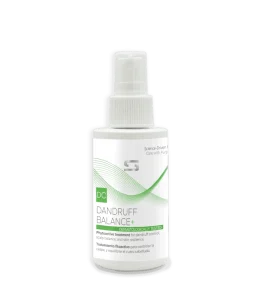
| Friday | Wash with Dandruff & Scalp Care Shampoo Plus. Dry the roots, then apply Dandruff Balance Plus in sections; massage until absorbed, no rinsing. |
| Weekend (optional) | An extra wash with Sebum Control Shampoo Plus if your scalp feels oily, and a second micro-peel this week if it is very flaky. |
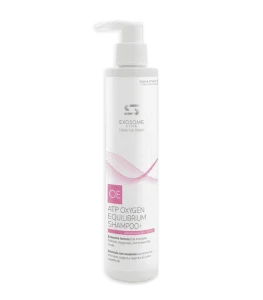
Run the leave-ins twice a week for 90 days, then move to maintenance if needed. The shampoos and the mask use the biomimetic exosomes in the TFD System; the leave-in concentrates have their own formulas without exosomes.
Small winter habits that help
- Dry your roots fully before going out or to bed. People with seborrhoeic dermatitis frequently say a damp scalp under a hat or on a pillow makes things worse (this is anecdotal rather than research-based, but it is a simple change). Use a warm, not hot, dryer setting on the roots.
- Turn the shower temperature down for the final rinse, and keep the water lukewarm throughout.
- Wash hats and hat linings regularly, and choose a smooth lining such as cotton or silk if wool irritates your hairline.
- Keep heavy oils off the scalp. Winter is when people reach for scalp oils, but on a scalp prone to seborrhoeic dermatitis they tend to make flaking worse. If your lengths are dry, put conditioner or oil on the mid-lengths and ends only.
- Use a humidifier or keep a bowl of water near the radiator in very dry rooms (a comfort measure).
- Protect your sleep and manage stress where you can – see our article on itchy scalp and stress.
For more general cold-weather advice, read our winter hair care tips.
Optional extras for your hair type
These are not part of the core seborrhoeic dermatitis routine, but some people like to add them in winter:
- Dry, static-prone lengths: Triple Action Conditioner Deep Repair Plus, on the lengths and ends only.
- Fine hair flattened by hats: Volume Therapy Shampoo Plus as an occasional second wash on the lengths.
- Coloured hair: Hair Loss & Colors Shampoo Plus as an occasional alternative wash.
Is it dry scalp or seborrhoeic dermatitis?
Winter also brings plain dry scalp, which looks similar but needs a different approach. Dry scalp gives fine, white, powdery flakes on a scalp that feels tight and is not red; seborrhoeic dermatitis gives greasier, yellowish flakes with itch and redness, and often affects the eyebrows and the sides of the nose. Our guide to scalp psoriasis vs seborrhoeic dermatitis compares all four common causes of flaking, and dry dandruff covers the dry type in more detail.
Winter is only one trigger among several – our guide to seborrhoeic dermatitis triggers ranks stress, alcohol, food and hair habits by the evidence, with a simple flare diary.
When to see your pharmacist or GP
A pharmacist can recommend a medicated shampoo – the NHS suggests ingredients such as ketoconazole, coal tar or salicylic acid, used for up to four weeks. See your GP if it has not helped after four weeks, if your scalp is very itchy, red, swollen or sore, if patches appear on your face or body, or if you notice your hair shedding more than usual (our article on seborrhoeic dermatitis and hair loss explains why this can happen). For help with a scalp-care plan, our hair clinic is here to help.
Your questions answered
Why is my seborrhoeic dermatitis worse in winter?
Cold outdoor air and dry central heating disturb the skin barrier, hats trap heat and sweat, hot showers irritate the scalp and many people wash less often. Winter tiredness and stress add to it. The British Association of Dermatologists lists cold, dry weather, tiredness and stress as common triggers.
Should I wash my hair less in winter if my scalp is flaky?
Not if your scalp is prone to seborrhoeic dermatitis. Washing less lets sebum and scale build up. Keep washing at least three times a week with a suitable shampoo, but use lukewarm water and dry your roots properly.
Does a hat make seborrhoeic dermatitis worse?
It can, if it traps heat and sweat for long periods or if wool rubs the hairline. Wash hats regularly, choose a smooth lining if wool irritates you, and make sure your scalp is dry before you put one on.
Is scalp oil good for winter flakes?
For a scalp prone to seborrhoeic dermatitis, oils on the scalp tend to feed the yeast involved and can make flaking worse. Keep oils and rich conditioners on the mid-lengths and ends.
Does seborrhoeic dermatitis get better in summer?
Some people find it calmer in summer, although heat and sweat can still trigger flares in some. Keeping your routine going all year helps reduce the winter swing.
Sources
- British Association of Dermatologists. Seborrhoeic dermatitis: patient information leaflet (last updated January 2023).
- NHS. Dandruff.
- Naldi L, Kyrgidis A, Tiplica GS, et al. Practical recommendations for seborrheic dermatitis management: an expert consensus. Journal of the European Academy of Dermatology and Venereology, first published 21 April 2026. doi:10.1111/jdv.70444.
- High curl pattern hair and scalp care considerations to mitigate seborrheic dermatitis. Journal of Cosmetic Dermatology, 17 April 2026. doi:10.1111/jocd.70842.
- Google Trends, United Kingdom: “dry scalp”, past 12 months (checked 3 November 2026; relative index 0–100).
This article is for general information and does not replace advice from your GP, pharmacist or dermatologist. SIMONE TRICHOLOGY products are cosmetics, not medicines: they are not intended to diagnose or address seborrhoeic dermatitis, psoriasis or any other medical condition, and they do not replace anything your doctor has prescribed. If your scalp is red, sore, weeping or not settling, or you notice patchy hair loss, please speak to your GP or a dermatologist.