


The quick answer: the best-supported seborrhoeic dermatitis triggers are stress, tiredness and cold, dry weather. A 2026 European expert consensus also linked alcohol with more severe disease and partly agreed on smoking, while evidence on diet, pollution and metabolic health is still unclear. Everyday hair habits matter too: washing infrequently, putting oils or heavy products on the scalp, very hot water and harsh shampoos can all make flaking worse. Some health conditions, such as Parkinson’s disease and HIV, are strongly associated with it. Because triggers vary from person to person, a simple flare diary is the most reliable way to find yours.
“What triggers seborrhoeic dermatitis?” – along with “is it stress?”, “is it food?” and “is it alcohol?” – is one of the questions people search for most once they have a diagnosis. The honest answer is that it is a mix of things, and they are different for everyone. This guide sorts the triggers by how strong the evidence is, so you know where to focus. For an overview of the condition, see our guide to seborrhoeic dermatitis on the scalp.
Triggers at a glance: what the evidence says
| Trigger | How strong is the link? | What you can do |
|---|---|---|
| Stress and low mood | Strong: 2026 European consensus agreed strongly; listed by the British Association of Dermatologists (BAD) | Protect sleep, build in recovery time, talk to your GP if anxiety or low mood are persistent |
| Tiredness | Listed by the BAD as a common trigger | Regular sleep where possible; notice whether flares follow busy periods |
| Cold, dry weather | Listed by the BAD; seasonal flares noted in our protocols | Adapt your routine in winter (see our winter guide) |
| Alcohol | Moderate: most experts in the 2026 consensus agreed it is linked with severity | Keep track of whether flares follow heavier drinking |
| Smoking | Weaker: experts only partly agreed | Another good reason to stop; your GP or pharmacy can help |
| Diet | Unclear: the BAD notes some evidence that eating fruit may be linked with fewer flares; no specific diet is proven | A varied diet with plenty of fruit and vegetables; avoid extreme restriction |
| Metabolic health, air pollution | Unclear: the 2026 consensus neither agreed nor disagreed | Nothing specific – general health habits |
| Hair habits | Practical: infrequent washing, oils or pomades, very hot water and harsh shampoos are repeatedly linked with worse flaking | Wash regularly, keep oils off the scalp, use lukewarm water and a gentle, suitable shampoo |
| Parkinson’s disease, HIV and some other conditions | Strong association, but not something you can change | If seborrhoeic dermatitis appears suddenly or severely, see your GP |
“Strong” and “moderate” above summarise how much the 33 dermatologists on the 2026 European consensus panel (published in the Journal of the European Academy of Dermatology and Venereology) agreed – they reflect expert opinion, not a measured risk.
Stress, tiredness and your scalp
Stress is the trigger my clients mention most, and the evidence backs them up. Our protocols also describe seborrhoeic dermatitis worsening with stress and emotional imbalance. The link probably runs both ways: stress affects the skin barrier and inflammation, and an itchy, flaky scalp is stressful in itself. You can’t remove stress from life, but you can notice the pattern – exam seasons, a new baby, deadlines – and step up your scalp routine before those periods. Our article on itchy scalp and stress has more on this.

Alcohol, smoking and food
Most experts in the 2026 consensus agreed that alcohol is associated with more severe seborrhoeic dermatitis, and they partly agreed on smoking. On food, the evidence is thin. Our protocols mention dietary factors as one of several influences, and the BAD leaflet notes some evidence that eating fruit may be linked with fewer flares. Beyond that, there is no proven “seborrhoeic dermatitis diet”, so be wary of plans that cut out whole food groups. If you think a particular food or drink is a trigger for you, a flare diary will show it far better than guesswork.
Hair habits that make flaking worse
- Washing too rarely. Sebum and scale build up and give Malassezia yeast more to feed on. A 2026 review on curly and coily hair found that infrequent washing makes seborrhoeic dermatitis worse – relevant to anyone who stretches washes.
- Oils and pomades on the scalp. The same review notes that oils and pomades used to cover flakes often make things worse.
- Very hot water. Our protocols advise keeping wash water below about 37 °C.
- Harsh or unsuitable shampoos that strip the barrier and leave it more reactive.
- Sweat left on the scalp after the gym or under a helmet – rinse or wash when you can.
- A new hair product or dye. This can cause contact dermatitis, a different reaction that the NHS lists as a lookalike.
Curly, coily and afro hair
Washing frequency is a real dilemma for curly, coily and afro hair, which is often washed less often to protect moisture and styles. The 2026 Journal of Cosmetic Dermatology review reports that natural styles are often washed about every 14 days, and braids or weaves every 18–32 days, and that this can allow seborrhoeic dermatitis to flare. Practical options include cleansing the scalp between full washes, keeping oils and butters on the lengths rather than the scalp, and choosing protective styles that leave the scalp accessible. On brown and black skin, seborrhoeic dermatitis may look darker or lighter than the surrounding skin rather than red – so trust the itch and the flakes as well as the colour.
Keep a flare diary
For six to eight weeks, jot down a few things each day. Patterns usually appear within a couple of months.
| What to record | Example |
|---|---|
| Scalp score (0–10) for itch and flaking | Itch 6, flakes 4 |
| Washes and products used | Washed with Sebum Control Shampoo Plus; leave-in applied |
| Sleep and stress | 5 hours; deadline at work |
| Alcohol | 2 glasses of wine |
| Weather and heating | Frosty; heating on all day |
| Exercise and sweat | Gym, washed afterwards |
| Anything new | New hair gel; hair coloured |
A routine that holds up when triggers hit
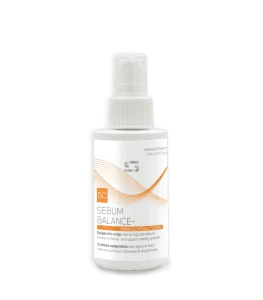
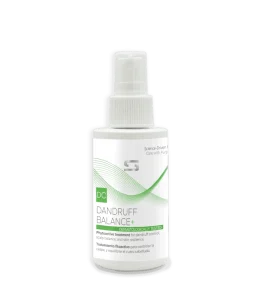
You can’t avoid every trigger, so a consistent scalp-care routine is your buffer. Our protocol for scalps prone to seborrhoeic dermatitis uses a weekly micro-peel with Dermo Capillary Mask Activated Plus, washes at least three times a week alternating Dandruff & Scalp Care Shampoo Plus and Sebum Control Shampoo Plus, and two leave-ins twice a week for 90 days – Sebum Balance Plus and Dandruff Balance Plus. When you know a trigger is coming – a stressful month, a cold snap – make sure that routine doesn’t slip. The full routine and how to use each product are in our pillar guide, and winter adjustments are in seborrhoeic dermatitis in winter.
If you are not sure whether your flakes are seborrhoeic dermatitis at all, read scalp psoriasis vs seborrhoeic dermatitis; and if you are noticing more hair in the brush after a flare, see seborrhoeic dermatitis and hair loss.
When to see your GP
See your GP if your scalp is not better after four weeks of an anti-dandruff shampoo, if it is very red, sore, swollen or weeping, if it appeared suddenly and severely, or if you have patches on your face or body. If stress or low mood is a big part of the picture, it is worth mentioning that too.
Your questions answered
What triggers seborrhoeic dermatitis?
The best-supported triggers are stress, tiredness and cold, dry weather. Alcohol is linked with more severe disease, and hair habits such as infrequent washing, oils on the scalp and very hot water can make flaking worse. Triggers vary between people, so a flare diary helps.
Can stress cause seborrhoeic dermatitis?
Stress does not cause it on its own, but it is one of the strongest flare triggers. A 2026 European expert consensus agreed strongly that stress and psychological conditions are linked with more severe seborrhoeic dermatitis.
Does alcohol make seborrhoeic dermatitis worse?
Most experts in a 2026 European consensus agreed that alcohol is associated with more severe seborrhoeic dermatitis. If you notice flares after drinking, cutting back is worth trying.
Is there a seborrhoeic dermatitis diet?
No specific diet has been proven. The British Association of Dermatologists notes some evidence that eating fruit may be linked with fewer flares. A varied diet is sensible; avoid cutting out whole food groups without advice.
Can sweating or the gym trigger seborrhoeic dermatitis?
Sweat left on the scalp for a long time can irritate it. Rinse or wash your hair after exercise when you can, and dry the roots properly.
Sources
- Naldi L, Kyrgidis A, Tiplica GS, et al. Practical recommendations for seborrheic dermatitis management: an expert consensus. Journal of the European Academy of Dermatology and Venereology, first published 21 April 2026. doi:10.1111/jdv.70444.
- British Association of Dermatologists. Seborrhoeic dermatitis: patient information leaflet (last updated January 2023).
- High curl pattern hair and scalp care considerations to mitigate seborrheic dermatitis. Journal of Cosmetic Dermatology, 17 April 2026. doi:10.1111/jocd.70842.
- NHS. Dandruff.
- Scalp seborrheic dermatitis: what we know so far. Skin Appendage Disorders, June 2023. doi:10.1159/000529854.
This article is for general information and does not replace advice from your GP, pharmacist or dermatologist. SIMONE TRICHOLOGY products are cosmetics, not medicines: they are not intended to diagnose or address seborrhoeic dermatitis, psoriasis or any other medical condition, and they do not replace anything your doctor has prescribed. If your scalp is red, sore, weeping or not settling, or you notice patchy hair loss, please speak to your GP or a dermatologist.