

Short answer: the right hair loss treatment depends on why the hair is being lost. Pattern hair loss, temporary shedding, alopecia areata, traction alopecia, scalp disease and hair breakage are different problems and do not respond to the same approach. The first step is therefore to identify the pattern and likely cause before choosing a product, procedure or medicine.
Some types of hair loss may improve once a temporary trigger has passed. Others require ongoing treatment, and inflammatory or scarring conditions need prompt medical attention. No treatment works for everyone, and cosmetic care cannot replace diagnosis or medical treatment when a disease is involved.
Why there is no single hair loss treatment
“Hair loss” is an umbrella term. Two people may notice fewer hairs or a wider parting but have completely different processes taking place at follicle level. Possible causes include genetics, hormonal influences, autoimmune disease, illness, medication, childbirth, nutritional deficiency, psychological or physical stress, repeated tension and inflammatory scalp conditions.
A treatment that is appropriate for hereditary thinning may be unnecessary for temporary shedding and unsuitable for an inflammatory scalp disorder. This is why effective hair loss treatment begins with understanding the cause, the duration of the problem and whether the follicles remain capable of producing healthy fibres.
If you are still learning the basic terminology, our guide to what you should know about hair loss explains the difference between normal shedding, visible thinning and alopecia.
Is it shedding, thinning or breakage?
Before considering treatment, it helps to distinguish three commonly confused changes:
- Increased shedding means more complete hairs are leaving the scalp than usual. It may appear suddenly and affect the whole scalp.
- Progressive thinning means density gradually decreases, often around the parting, temples, frontal hairline or crown.
- Hair breakage happens along the visible fibre. It can produce shorter pieces and uneven lengths without the hair being lost from the follicle.
These changes can also occur together. For example, temporary shedding may reveal previously subtle pattern hair loss, while chemical or heat damage can make existing thinning look more pronounced.
Common causes and how treatment differs
Pattern hair loss
Androgenetic alopecia, also called male or female pattern hair loss, usually develops gradually. It is influenced by genetics and hormones and can cause progressive follicle miniaturisation, meaning that successive hairs become finer and shorter.
Depending on the individual, a dermatologist may discuss evidence-based treatments such as topical minoxidil or prescription medicines. Suitability depends on factors including age, sex, general health, pregnancy plans, other medication and the regulations in the country where treatment is obtained. These treatments do not work for everyone and generally need continued use to maintain their benefit.
Telogen effluvium and temporary shedding
Telogen effluvium is a diffuse increase in shedding that often begins a few months after a trigger such as illness, surgery, childbirth, major psychological stress, substantial weight loss, nutritional deficiency or a medication change.
Management normally focuses on identifying and resolving the trigger where possible. Acute telogen effluvium often improves with time, but recovery of the previous volume can take several months because hair grows slowly. Shedding that persists for more than six months, repeatedly returns or occurs without an obvious trigger should be medically assessed.
Do not stop prescribed medication because you suspect it is contributing to shedding. Discuss it with the professional who prescribed it.
Alopecia areata
Alopecia areata is an autoimmune disease that commonly produces sudden, smooth, round or oval areas of hair loss. It can also affect eyebrows, eyelashes or other body hair.
This condition requires medical assessment. Depending on its extent, duration, location and the person’s age and health, a dermatologist may consider corticosteroids or other immune-directed treatments. More extensive disease may require specialist systemic treatment. Cosmetic products do not treat the autoimmune process.
Traction alopecia and damaged hair
Repeated tension from tight braids, extensions, ponytails or other pulling hairstyles can damage follicles. Removing the tension early may allow recovery, but longstanding traction can cause permanent loss if scarring develops.
Heat, bleaching, chemical straightening and rough handling can also weaken the hair shaft and cause breakage. In this situation, gentler styling, conditioning and removing severely damaged ends can improve retention and appearance. Cutting does not change follicular growth; our guide explains what cutting your hair actually does.
Inflammatory and scarring hair loss
Hair loss accompanied by pain, burning, marked itching, redness, heavy scaling, pustules, crusting or smooth shiny areas may indicate infection, inflammation or a scarring alopecia. These conditions should be assessed promptly by a dermatologist because permanent follicular damage can occur.
How hair loss should be assessed
A proper assessment begins with the history of the problem rather than with a product recommendation. Relevant information includes:
- when the change began and whether it was sudden or gradual
- whether the loss is diffuse, patterned or patchy
- recent illness, surgery, childbirth, stress or weight change
- medication and supplement use
- dietary restrictions or possible deficiencies
- family history of hair loss
- scalp symptoms and hair-care practices
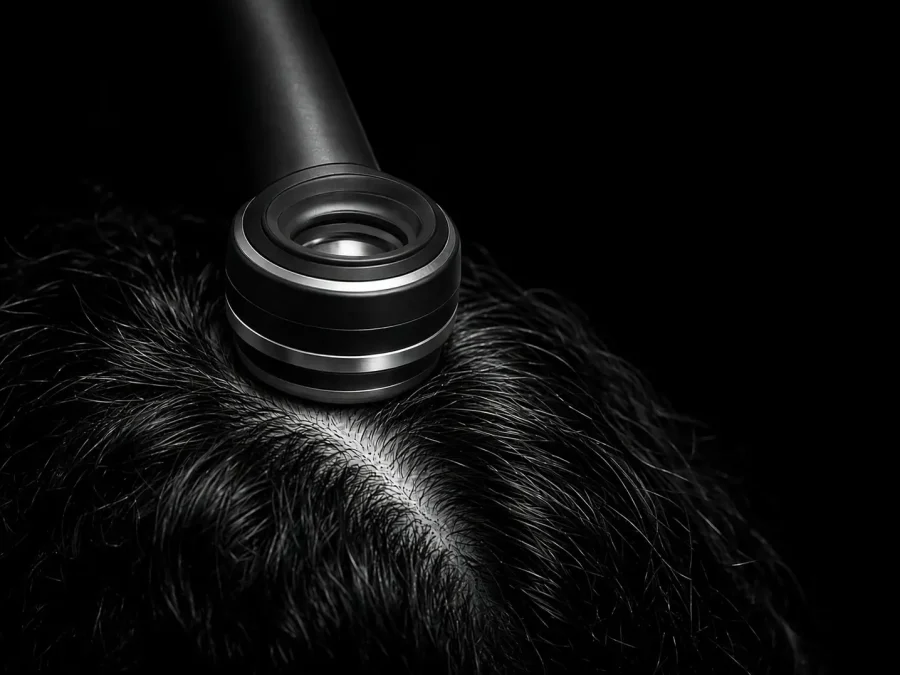
The scalp and hair should then be examined. A clinician may use a hair-pull test and trichoscopy, which magnifies the scalp, follicular openings and hair shafts. Trichoscopy can reveal useful patterns, but its findings must be interpreted alongside the history and clinical examination.
A trichogram can sometimes provide additional information about the proportion and appearance of hairs in different growth phases. It is not necessary in every case and does not replace a medical diagnosis. Learn more in our guide to trichogram and trichoscopy.
Blood tests are not automatically required for every person with hair loss. A doctor may request targeted tests when the history or examination suggests iron deficiency, thyroid dysfunction, nutritional imbalance, hormonal factors or another medical condition. A scalp biopsy may occasionally be needed when the diagnosis remains uncertain or scarring alopecia is suspected.
Hair loss treatment options
Medical treatments
Medical treatment must match the diagnosis. Options a dermatologist may consider include topical or oral medication for pattern hair loss, corticosteroid or immune-directed treatment for alopecia areata, antifungal treatment for a fungal infection, or anti-inflammatory treatment for certain scalp diseases.
Procedures such as hair transplantation may be suitable for selected people with stable pattern hair loss and an adequate donor area. They are not a universal solution and should only be considered after the diagnosis, expected progression and medical suitability have been evaluated.
Every medicine and procedure has limitations, possible adverse effects and contraindications. Treatment should therefore be selected with an appropriately qualified healthcare professional rather than copied from another person’s routine.
Trichological and cosmetic scalp care
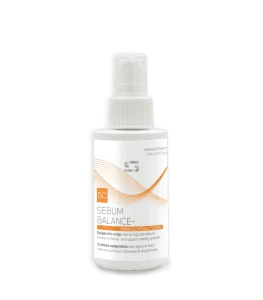
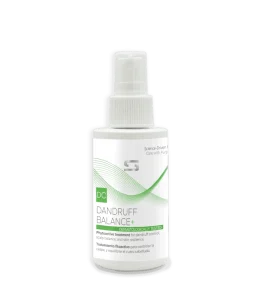
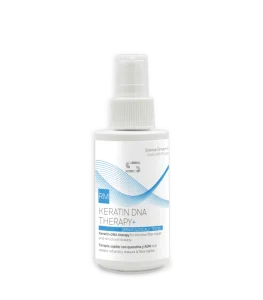
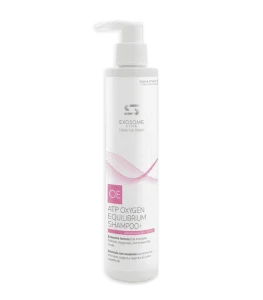
Cosmetic care can support scalp hygiene, comfort, fibre condition and the appearance of fuller, stronger-looking hair. A suitable routine may help control excess oil, visible flaking, dryness or breakage and can complement a medically directed plan.
However, shampoos, lotions and cosmetic serums do not diagnose or treat autoimmune disease, hormonal disorders, infection or scarring alopecia. They should not be presented as substitutes for medical care.
You can explore SIMONE TRICHOLOGY’s hair-loss and scalp-care range as supportive cosmetic care once the needs of the scalp and hair have been properly considered.
Nutrition and supplements
A balanced diet with adequate protein, energy, vitamins and minerals supports normal hair production. When a genuine deficiency is identified, correcting it may form an important part of the treatment plan.
Taking iron, zinc, biotin or other high-dose supplements without evidence of deficiency is not a shortcut to hair growth and can be unnecessary or harmful. Supplements can also interfere with medication or laboratory tests. Ask a healthcare professional whether testing or supplementation is appropriate for you.
How long does hair loss treatment take to work?
Hair responds slowly because follicles work in cycles. Even when the correct cause has been identified and addressed, visible improvement normally takes months rather than days or weeks.
The first useful sign may be reduced shedding or stabilisation rather than immediate regrowth. Photographs taken under the same lighting, angle and hairstyle can provide a more reliable comparison than checking the mirror every day.
Results depend on the diagnosis, how long the condition has been present, the degree of follicular damage, consistency of use and individual response. No responsible professional should guarantee complete regrowth.
When should you see a doctor or dermatologist?
Arrange a medical assessment if you notice:
- sudden or rapidly progressing hair loss
- one or more clearly defined bald patches
- loss of eyebrows, eyelashes or body hair
- pain, burning, sores, pustules, crusting or bleeding
- marked redness, scaling or persistent itching
- smooth or shiny areas where follicular openings appear absent
- hair loss in a child
- shedding accompanied by fatigue, unexplained weight change or other symptoms
- hair loss that is affecting your emotional wellbeing
Early assessment is especially important when inflammation or scarring is suspected, because lost follicles may not be recoverable once permanent damage has occurred.
Frequently asked questions about hair loss treatment
What is the best treatment for hair loss?
There is no single best treatment. The appropriate option depends on whether the problem is pattern hair loss, temporary shedding, alopecia areata, traction, breakage or another scalp condition. Diagnosis comes before treatment.
Can lost hair grow back?
It depends on the cause and whether the follicles remain active. Temporary shedding often improves after the trigger resolves, while pattern hair loss usually requires ongoing management. Hair loss caused by permanent scarring may not regrow.
Should I start minoxidil without an assessment?
Minoxidil is an evidence-based option for some forms of hair loss, but it is not appropriate for every cause or every person. A pharmacist, doctor or dermatologist can advise whether it is suitable and explain correct use, limitations and possible adverse effects.
Can shampoo stop hair loss?
A shampoo can cleanse the scalp and help manage cosmetic concerns such as oiliness, flaking or fibre condition. It cannot by itself treat hereditary, autoimmune, hormonal or scarring hair loss.
When should treatment be reviewed?
The review schedule depends on the diagnosis and treatment. Because visible change takes time, progress is commonly judged over several months using symptoms, examination and comparable photographs rather than day-to-day shedding alone.
Start with an assessment, not a random product
If you are unsure whether you are experiencing shedding, progressive thinning or breakage, our free online Hair Clinic offers a preliminary trichological and cosmetic assessment based on your answers and photographs. A specialist can help you understand your hair and scalp-care needs and indicate when medical evaluation is advisable.
The online Hair Clinic does not provide a medical diagnosis or prescribe medication. Sudden, patchy, painful, inflammatory or otherwise concerning hair loss should be assessed by a doctor or dermatologist.
Sources and further reading
- American Academy of Dermatology — Hair loss: diagnosis and treatment
- NHS — Hair loss
- British Association of Dermatologists — Telogen effluvium
- British Association of Dermatologists — Alopecia areata
SIMONE TRICHOLOGY products are cosmetic products under Regulation (EC) No 1223/2009. They are not intended to diagnose, treat, cure or prevent any disease. This article is educational and does not replace individual medical advice.