

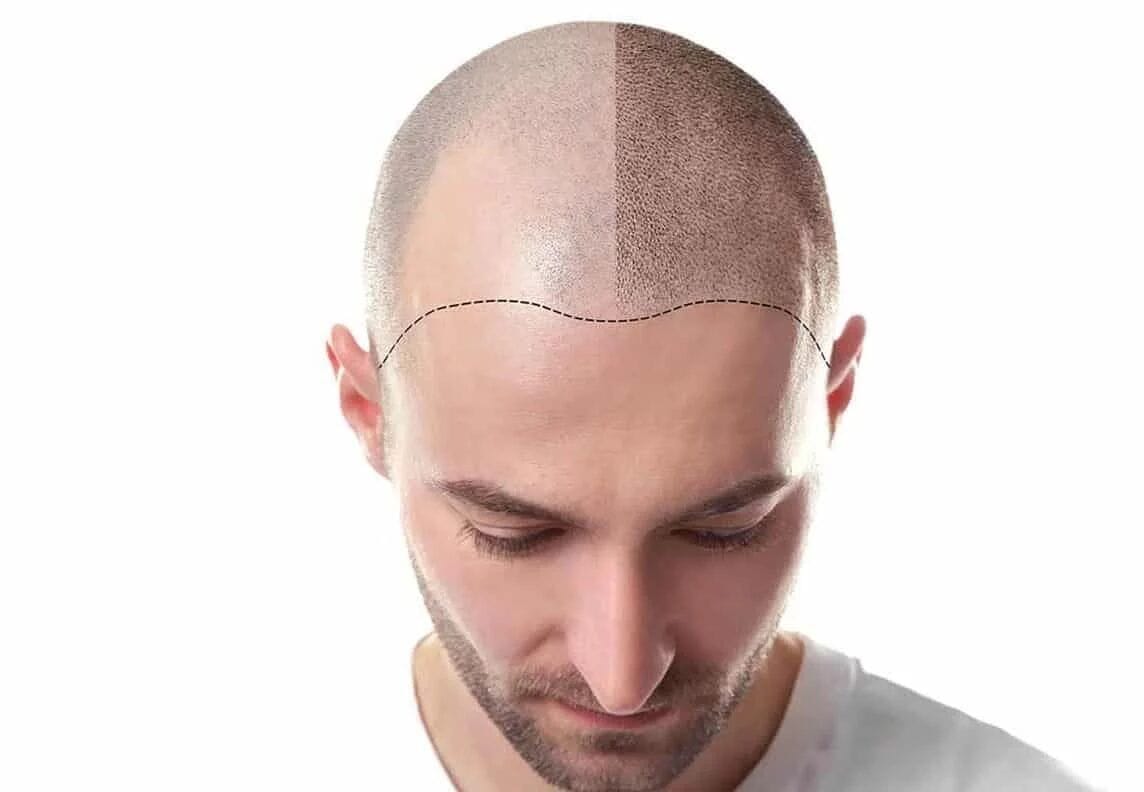
A hair transplant can be a turning point for people dealing with pattern hair loss — but it is not the end of the story. The weeks right after surgery matter, and so do the months and years that follow. Many people return home after their procedure with very little guidance on what comes next, and end up unsure how to protect their result. In this guide we explain what to focus on after a hair transplant, why long-term maintenance matters and how SIMONE TRICHOLOGY can support your routine once your scalp has healed.
The first days: follow your clinic’s instructions
In the immediate days after surgery, the most important thing is simple: follow the aftercare instructions given by the clinic or surgeon who performed your transplant. They know exactly how your grafts were placed and what your scalp needs while it heals. This usually involves keeping the area clean, avoiding anything that could disturb the new grafts and protecting the scalp from friction and direct sun. Any cosmetic hair routine, including ours, should only begin once your clinic confirms your scalp has fully healed.
Why a transplant isn’t the end of hair loss
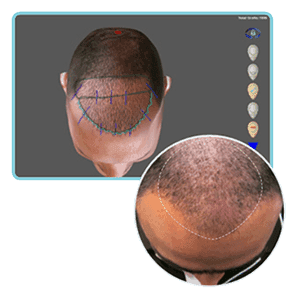
This is the part that often surprises people. During a transplant, follicles are usually taken from the back of the scalp — the donor area — which is naturally more resistant to DHT, the hormone associated with androgenetic alopecia (pattern hair loss). Those transplanted follicles tend to keep their resistance. The rest of your hair, however, was never resistant to begin with. So while the transplanted hair stays, the surrounding native hair can continue to thin over time if nothing changes. This is why a transplant restores density in a treated area, but does not “switch off” the underlying tendency to lose hair elsewhere.
Understanding this is what separates a result that looks great for one year from one that still looks natural several years later. The goal after a transplant is not only to protect the grafts, but to care for the hair you already have.
Long-term maintenance: caring for your existing hair
Once your scalp has healed and your clinic gives you the go-ahead, a consistent maintenance routine helps you look after both your transplanted and your native hair. At SIMONE TRICHOLOGY our treatments are organised by concern rather than by hair type, and pattern hair loss sits within our Thinning Hair & Hair Loss Care range. A maintenance routine works best when it is followed consistently and reviewed over time, ideally with input from a trichologist or your clinic.
How PROALOPEX+ fits into post-transplant care
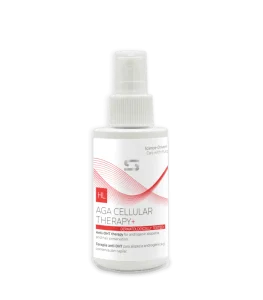
PROALOPEX+ is a trichological dermocosmetic treatment designed for hair affected by androgenetic alopecia and for ongoing care after a transplant. Its formulation combines Serenoa serrulata, soy proteins and vitamins to support the look and feel of stronger, denser-looking hair as part of a regular routine. It is intended as a cosmetic maintenance product to care for your existing hair — not as a replacement for the medical aftercare provided by your transplant clinic. If you want the full background on how it works, we cover it in our dedicated guide: PROALOPEX+: how it works for hair loss and post-transplant care.
Not sure where to start?
If you have had a transplant, or are planning one, and you are not sure how to look after your hair afterwards, our free online Hair Clinic is a good first step. You share a few details about your scalp and hair, and a trichology specialist reviews your case personally and sends you a personalised assessment with recommendations by email — at no cost and with no obligation to buy.
Get your free hair assessment →SIMONE TRICHOLOGY products are cosmetic products and are not intended to diagnose, treat, cure or prevent any medical condition. A hair transplant is a medical procedure; always follow the aftercare guidance of the clinic or surgeon who performed it.